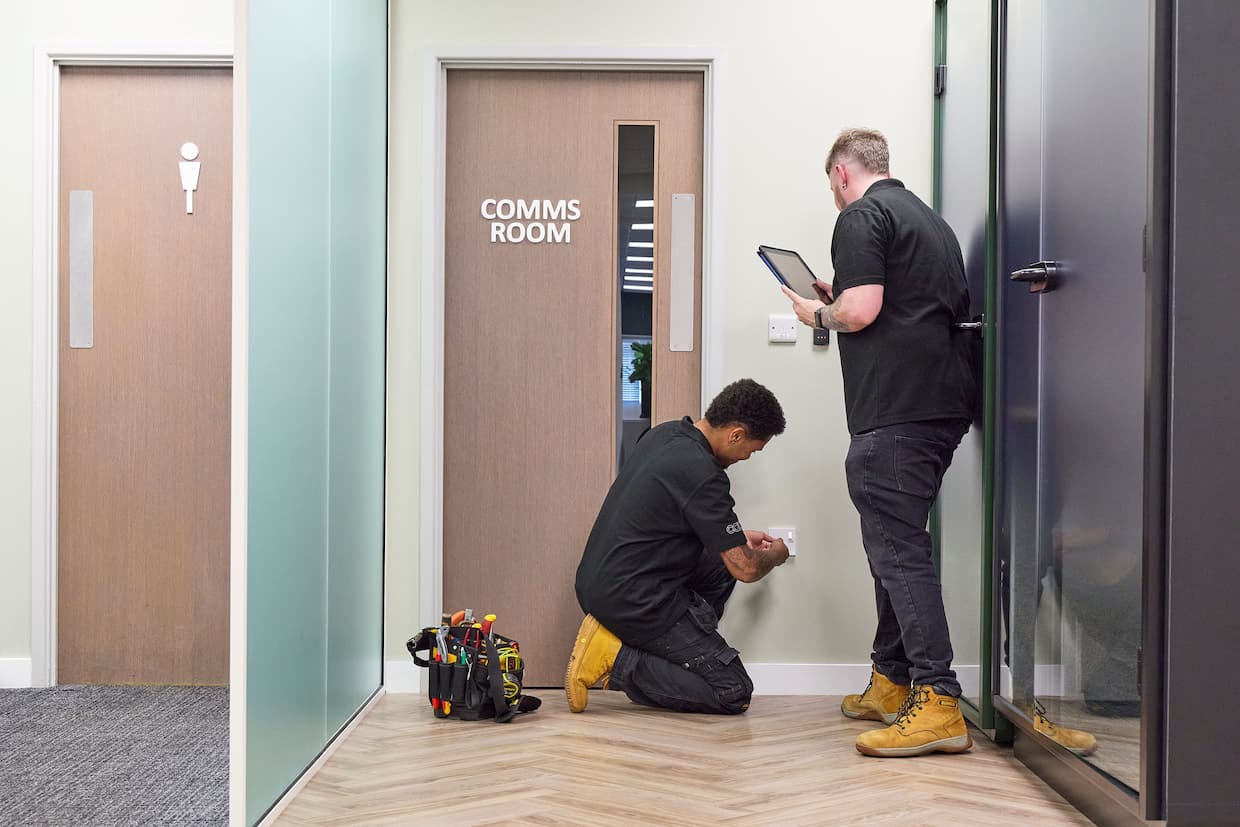
Planned Preventative Maintenance (PPM) is a proactive approach to looking after a commercial building and the systems that keep it operating safely and efficiently.
Rather than waiting for equipment to fail before arranging a repair, a PPM programme schedules inspections, servicing, testing and maintenance at appropriate intervals throughout the year.
For offices, laboratories, and other commercial properties, this can cover everything from electrical systems, heating and air conditioning, and water hygiene to fire safety, gas equipment, and general building maintenance.
A structured Planned Preventative Maintenance contract can help businesses, landlords and managing agents reduce unexpected failures, extend the working life of important assets and keep on top of statutory inspections and safety requirements.
Most importantly, PPM turns building maintenance from something that happens when there is a problem into an organised part of workplace management.
A PPM schedule sets out the inspections, servicing, testing and maintenance required across a commercial property over a defined period, typically 12 months.
The schedule depends on the building, its equipment, occupancy, operating requirements, and any relevant statutory or manufacturer requirements. A busy laboratory, for example, may have very different maintenance priorities from a smaller commercial office.
Rather than treating each asset independently as problems arise, the schedule creates a coordinated maintenance programme.
This may include:
Over time, this information also provides greater visibility of the condition of a property and its equipment.
Facilities teams can identify assets approaching the end of their useful life, plan upgrades and allocate budgets rather than being caught by unexpected expenditure.
PPM is based on a simple principle: finding and addressing an issue early is generally better than dealing with equipment after it fails.
An air-conditioning system that stops working during hot weather can affect an entire workplace. A failing pump could cause disruption or water damage. Problems with emergency lighting, fire safety equipment or electrical installations can have much more serious consequences.
Regular maintenance cannot guarantee equipment will never fail, but it can significantly improve the chances of identifying faults, deterioration, and performance issues before they become more disruptive.
Commercial buildings are subject to a range of health, safety and building management responsibilities.
Which inspections and maintenance requirements apply depends on the property, its systems, how it is occupied, and who is responsible for them.
PPM provides a framework for keeping relevant inspections, servicing and documentation organised rather than approaching each requirement separately.
Electrical safety is a good example. A commercial property may require periodic Electrical Installation Condition Reports alongside routine checks, emergency lighting testing and appliance testing. COEL’s guidance to electrical safety in commercial buildings looks in more detail at managing electrical installations and maintaining appropriate records.
Unexpected equipment failure can disrupt employees, tenants, customers and day-to-day operations.
This is particularly important in laboratories and technical environments where heating, ventilation, power, water, or other building systems play a key role in maintaining operating conditions.
Scheduled maintenance gives engineers opportunities to identify wear, deterioration and developing faults before they result in an unexpected breakdown.
Commercial building systems represent a considerable investment.
Boilers, pumps, HVAC equipment, electrical installations, and other mechanical assets will naturally deteriorate over time, but appropriate servicing can help them operate effectively for longer.
PPM can therefore help businesses get more value from existing assets while providing better information on when to consider replacement or upgrades.
Reactive maintenance can make building expenditure difficult to forecast.
Several unexpected failures within a short period can place considerable pressure on a facilities or operational budget.
A planned maintenance programme allows businesses to anticipate much of the routine servicing and inspection expenditure. When engineers identify deteriorating equipment, businesses can also budget for remedial work or replacement rather than waiting for complete failure.
Responsibility varies considerably between organisations.
Larger offices, multi-tenanted properties and laboratories may have a dedicated facilities manager or facilities management team responsible for the building. They will typically oversee maintenance schedules, contractors, inspections, records and remedial works.
Smaller businesses may not have an internal facilities function. Responsibility can instead sit with an office manager, operations manager, landlord, managing agent or another member of the management team.
This is one reason businesses choose to outsource their commercial building maintenance to a specialist provider.
Rather than arranging multiple engineers and contractors independently, a managed PPM contract can coordinate the required visits, documentation and maintenance programme through a more streamlined process.
No single maintenance schedule suits every commercial building.
A good PPM contract should reflect the property, its assets, occupancy and operational requirements. Offices, shared workspaces and laboratories can all require different levels of support.
Typical areas covered can include the following.
Electrical systems must remain safe, reliable, and suitable for the demands placed on them.
Planned electrical maintenance can include:
Keeping accurate inspection and maintenance records also makes it easier to show what work has been done and identify outstanding actions.
Mechanical equipment often operates quietly in the background until something goes wrong.
Depending on the building, planned servicing may include:
Regular servicing helps engineers identify deterioration, leaks, abnormal performance, and components needing attention.
HVAC systems have an important role in maintaining comfortable and appropriate workplace conditions.
Planned maintenance may include servicing air-conditioning equipment, heat pumps and other heating, ventilation and air-conditioning systems.
Depending on the equipment and property, maintenance requirements may also include F-Gas servicing and record keeping, together with TM44 air-conditioning energy inspections where the relevant criteria apply.
Keeping equipment properly maintained can support performance, efficiency, and equipment life, while also helping organisations meet applicable requirements.
Commercial water systems require careful management, particularly where parts of the system can allow water to stagnate or operate within temperatures that increase microbiological risk.
PPM water safety services can include:
The appropriate programme depends on the property’s water system and risk profile.
PPM can also bring scheduled servicing and inspections relating to fire safety and building security into the wider maintenance programme.
Depending on the property, this can include fire alarms, emergency lighting, access control, CCTV and intruder alarm systems.
Coordinating these activities helps keep important inspections connected to the building’s wider management.
Not every maintenance problem involves major equipment.
Minor defects can quickly accumulate across a busy commercial property. Doors need adjusting, taps leak, walls become marked and small plumbing or electrical jobs arise.
A PPM contract can therefore sit alongside general building services such as:
Handling smaller jobs as they arise helps maintain the overall quality and functionality of the workplace.
Planned maintenance does not eliminate the possibility of a breakdown.
Equipment can still fail unexpectedly, components can become damaged, and building issues can develop between scheduled visits.
The difference is that PPM reduces unnecessary risk and provides a structured approach to maintaining assets before problems occur.
Where something unexpected does happen, reactive commercial maintenance provides the other side of the equation, allowing faults, repairs and urgent building works to be addressed when required.
For many businesses, an effective maintenance strategy therefore combines both: planned work to prevent avoidable problems and responsive support when unforeseen issues arise.
Before establishing a PPM programme, it is important to understand exactly what you’re maintaining.
That means identifying the building’s systems and assets, reviewing existing maintenance arrangements and documentation, and establishing the inspections and servicing already being undertaken.
A site assessment can identify gaps and determine what to incorporate into the programme.
From there, the maintenance provider can develop a schedule based on the property and its operational requirements rather than simply applying a generic checklist.
This is particularly valuable when a business moves into a new office or laboratory. Establishing the maintenance programme early creates a clear record of servicing and inspections from the outset and helps protect the investment made in the new workspace.
PPM is ultimately about protecting the building, the people using it and the business operating within it.
A managed programme can provide several interconnected benefits:
For landlords and managing agents, these benefits also help protect the property’s condition and value while providing a better environment for tenants.
A workplace should keep performing long after its initial build and fit-out.
COEL provides Planned Preventative Maintenance services for commercial properties, offices and laboratories, bringing building, mechanical, electrical and compliance-related maintenance into a coordinated programme.
Our PPM contracts are tailored to the building, its assets, and how the organisation operates. From electrical, plumbing, and gas services to HVAC, water safety, security, and general maintenance, the aim is to keep workplaces safe, compliant, and performing as they should.
And where planned maintenance identifies a repair, alteration or improvement that cannot wait for the next scheduled visit, our maintenance team can provide the reactive support needed to put it right.
By taking a planned approach to maintenance today, businesses can reduce avoidable disruption, protect important assets and make better-informed decisions about the future of their workplace.
Prefer an AI Summary?