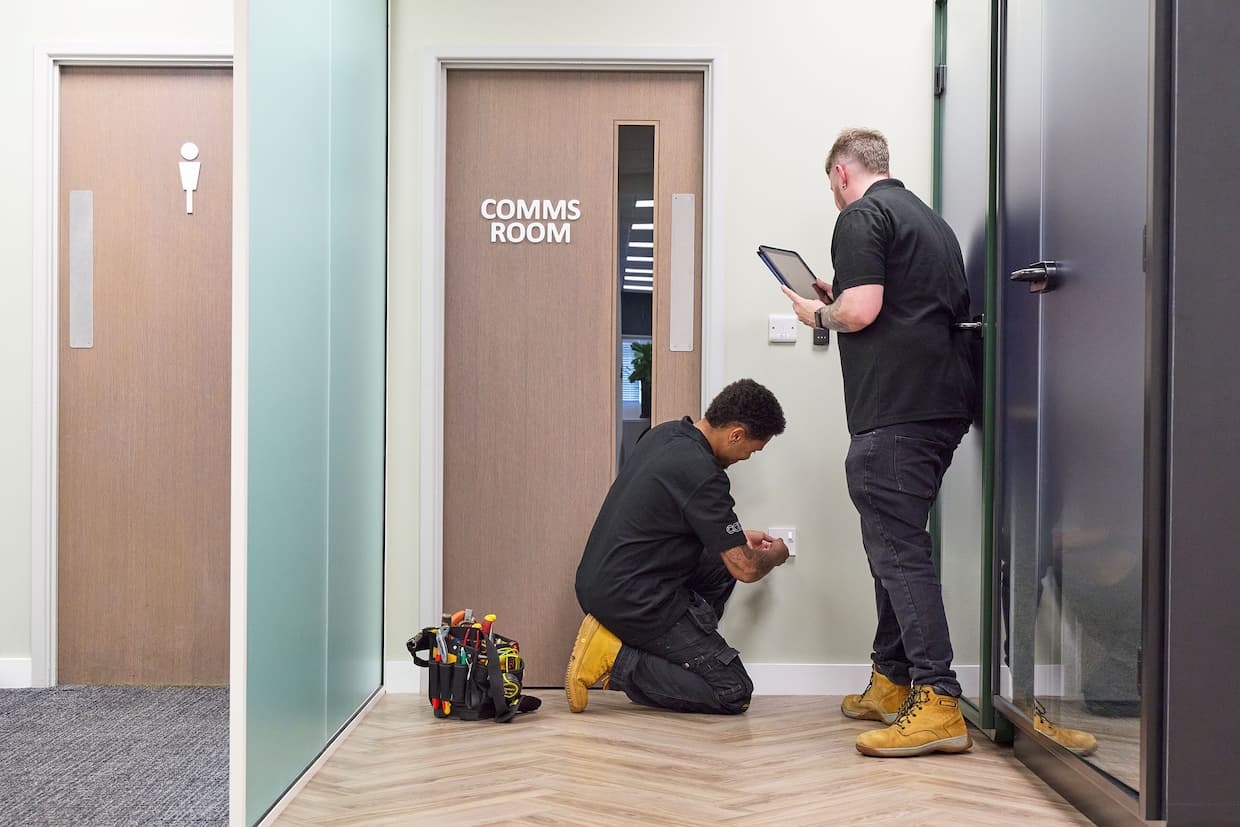
Effective commercial building maintenance is about much more than fixing problems as they arise. It plays an important role in protecting your property investment, managing operational costs, meeting regulatory responsibilities and providing a safe, comfortable environment for the people who use your building.
For commercial landlords, facilities managers and business owners, maintenance decisions can have significant financial implications. Delaying essential servicing, overlooking minor defects or failing to keep accurate compliance records can lead to expensive repairs, equipment failures and unnecessary disruption to business operations.
At COEL, we have decades of experience supporting commercial properties, offices and laboratories across Cambridge, Oxford and the surrounding regions. Our specialist Commercial Maintenance Team regularly encounters preventable issues that could have been addressed through better planning and ongoing maintenance.
Here are five common commercial building maintenance mistakes, together with practical measures to help protect your property, control expenditure and maintain a safe, efficient workplace.
The Mistake:
One of the most expensive mistakes commercial property managers make is treating maintenance as something that only needs attention when equipment stops working.
Postponing routine servicing may appear to reduce immediate expenditure, but it can allow minor faults to develop into major mechanical or electrical failures. An ageing component that could have been replaced during a scheduled inspection may eventually cause an entire system to shut down, resulting in emergency callouts, replacement equipment and operational disruption.
Heating, ventilation, electrical installations and plumbing systems all require ongoing attention to maintain reliable performance. Without a structured maintenance programme, businesses can find themselves responding to repeated problems rather than addressing their underlying causes.
The Fix:
Adopting planned preventative maintenance allows businesses to take greater control of their maintenance responsibilities, reducing the likelihood of unexpected failures while improving asset management.
The Mistake:
The external condition of a commercial building can easily be overlooked, particularly when maintenance budgets are focused on internal systems and equipment. However, roofing defects, damaged façades and blocked drainage systems can create significant problems if left unresolved.
Water ingress is particularly damaging because it may remain undetected until moisture has affected insulation, ceilings, electrical installations or internal finishes. Persistent leaks can also contribute to mould growth, deterioration of building materials and disruption to occupied areas.
Flat roofs, rooflights, external joints and drainage outlets are especially vulnerable to weather-related deterioration. Without regular inspections, relatively straightforward repairs can develop into substantial refurbishment projects.
The Fix:
Routine exterior inspections are particularly important when preparing commercial buildings for winter, when heavy rainfall, freezing temperatures and strong winds can expose existing weaknesses in the building envelope.
The Mistake:
Heating, ventilation and air conditioning (HVAC) systems are among the most heavily used mechanical assets in commercial buildings. They influence temperature control, indoor air quality, employee comfort and overall energy consumption.
When servicing is neglected, filters clog, components deteriorate, and systems may operate less efficiently. This can increase energy costs, create uncomfortable working conditions and place additional strain on equipment.
In offices and laboratories, reliable ventilation and temperature control can also be essential to daily operations. Unexpected failures may affect working conditions, specialist equipment or activities that depend on stable environmental conditions.
Another common mistake is assuming that an HVAC system is operating efficiently simply because it continues to provide heating or cooling. Equipment can remain functional while consuming more energy than necessary or failing to deliver consistent performance throughout the building.
The Fix:
Effective HVAC maintenance helps protect equipment lifespan, improve workplace comfort and reduce unnecessary energy consumption. It also provides opportunities to identify ageing systems that may benefit from repairs, control adjustments or future upgrades.
The Mistake:
Commercial building maintenance involves more than keeping equipment operational. Landlords, employers and other responsible parties must also manage a range of legal duties relating to building safety, electrical installations, fire precautions, water hygiene and other essential systems.
Failing to maintain accurate records or track inspection dates can create gaps in compliance. Even when servicing is complete, missing certificates, unresolved defects, or poorly organised documentation can make it difficult to demonstrate that responsibilities have been properly managed.
Problems frequently arise when maintenance records are spread across different contractors, departments or property management systems. Without a clear overview, essential inspections may be missed, recommendations overlooked and remedial work delayed.
The Fix:
Inspection frequencies and legal responsibilities vary depending on the building, its use and the systems installed. With commercial property compliance requirements influencing maintenance priorities and investment decisions, a structured programme helps facilities managers maintain visibility over their obligations and respond appropriately to identified risks.
Good documentation also supports budgeting and planning by providing a clearer picture of equipment condition, recurring maintenance issues, and future replacement requirements.
The Mistake:
Small maintenance issues are often postponed because they appear unlikely to affect business operations. A dripping tap, damaged door closer, flickering light or minor leak may seem relatively insignificant compared with larger maintenance priorities.
However, leaving these defects unresolved can lead to more extensive damage, increased running costs or additional safety risks.
A small plumbing leak may eventually damage flooring or electrical installations. A poorly functioning external door can increase heat loss and place additional demand on heating systems. Minor electrical faults may also indicate underlying problems that require professional investigation.
When several small defects accumulate, they can affect the overall condition and appearance of a commercial property while creating a growing backlog of repairs.
The Fix:
Not every maintenance issue requires an emergency response, but delaying repairs without assessing the risks can prove expensive. Having access to reliable reactive maintenance support allows businesses to resolve unexpected faults promptly while keeping routine work within a planned maintenance schedule.
Many of the most expensive commercial building maintenance problems begin as relatively minor issues that could have been identified through routine inspections, servicing or timely repairs.
A structured Planned Preventative Maintenance (PPM) programme helps businesses move away from repeatedly responding to breakdowns and towards a more proactive approach to managing their property.
By bringing essential inspections, servicing schedules, and ongoing repairs together, facilities managers can gain greater visibility into building condition, identify potential problems earlier, and plan maintenance expenditure more effectively. Using inspection findings and EICR data to plan maintenance budgets can also help businesses prioritise remedial work and anticipate future costs.
PPM also supports regulatory compliance, helps extend the useful life of building assets and reduces the risk of disruption caused by unexpected equipment failures. For commercial landlords, maintaining building systems and addressing defects promptly can also boost tenant satisfaction and protect the property’s value.
At COEL, our commercial building maintenance services support offices, laboratories and other commercial environments with practical, reliable maintenance solutions tailored to the requirements of each property.
From mechanical and electrical servicing to building repairs and ongoing compliance support, our team helps landlords, facilities managers and business owners maintain safe, efficient and operational workplaces.
Whether you require a comprehensive Planned Preventative Maintenance contract or assistance with unexpected faults through our Reactive Maintenance service, COEL can help you manage maintenance responsibilities, reduce avoidable expenditure and protect your commercial property investment.
Prefer an AI Summary?