We work with our clients to define a clear roadmap for workplace change by aligning business goals, employee needs and future growth with evidence-based workplace planning.
Send us a brief
If you have project coming up or just need some guidance, our team would love to hear from you.
OTHER PLANNING SERVICES
Successful workplaces are built on a clear understanding of how people work, what the organisation is trying to achieve, and how the workplace contributes to those goals.
Through stakeholder engagement, workplace analysis, and strategic planning, we help our clients to make informed decisions about their workplace investment, whether planning for relocation, growth, restructuring or new ways of working. The result is a workplace strategy that aligns employee needs, operational requirements and long-term business objectives.
Every workplace strategy project is different, but our approach follows five key stages that help senior stakeholders to make informed workplace decisions with confidence.
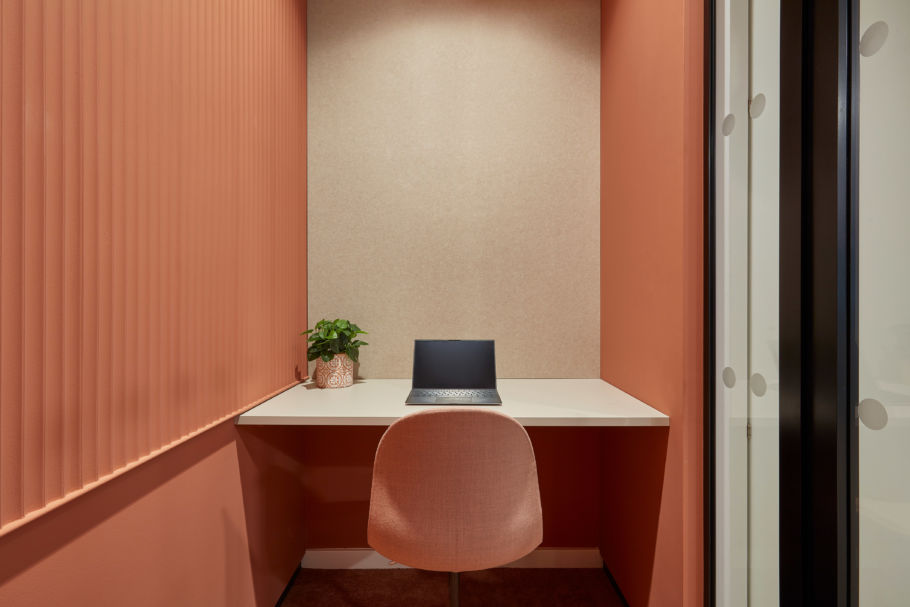
We begin by understanding your organisation, culture and ambitions.
Through stakeholder workshops, leadership interviews and employee engagement, we identify business objectives, workplace challenges and opportunities for improvement.

Effective workplace decisions should be backed by evidence.
We analyse workplace utilisation, occupancy patterns, team interactions and current working practices to understand how your space is performing and where changes could deliver the greatest impact.

Using the insights gathered, we establish a workplace vision and strategic framework.
This includes defining workplace principles, employee experience priorities, accommodation requirements and future workplace objectives.
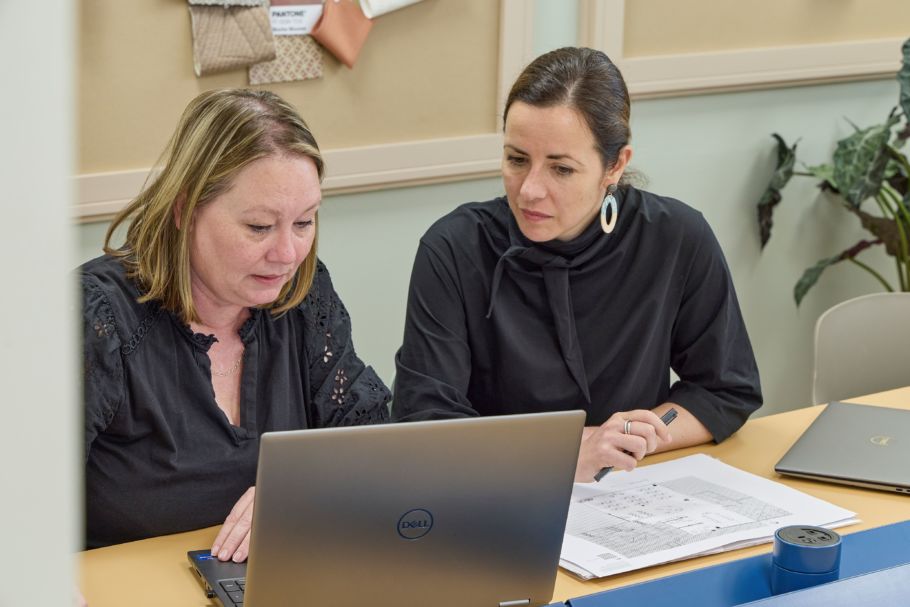
We transform strategy into a practical roadmap.
Whether you’re relocating, expanding or reconfiguring existing space, we develop recommendations that support operational requirements, business priorities and long-term value.
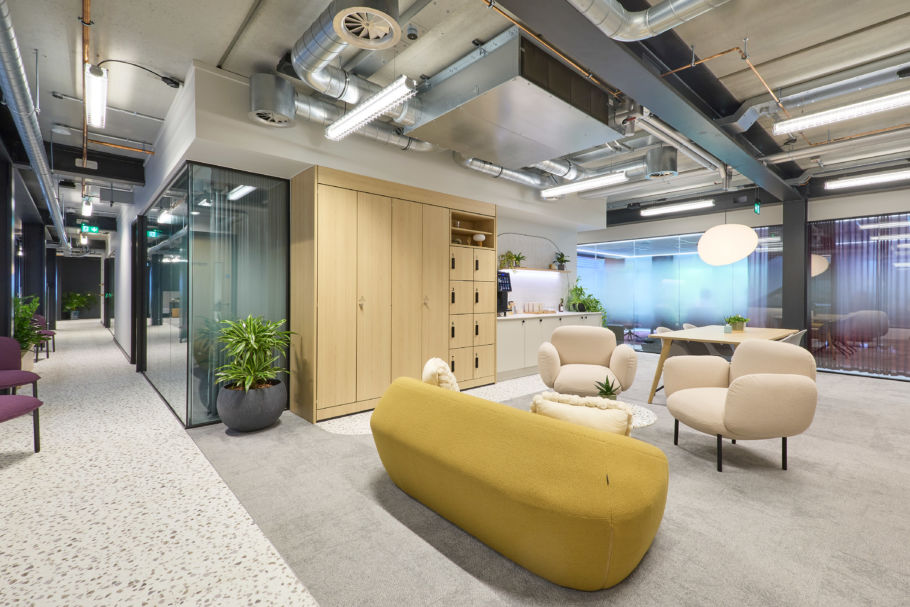
Workplaces need to evolve alongside the organisations they support.
We help embed flexibility, scalability and sustainability into workplace decisions so your environment can adapt to changing business needs, workforce expectations and future growth.
We begin by understanding your organisation, culture and ambitions.
Through stakeholder workshops, leadership interviews and employee engagement, we identify business objectives, workplace challenges and opportunities for improvement.
Effective workplace decisions should be backed by evidence.
We analyse workplace utilisation, occupancy patterns, team interactions and current working practices to understand how your space is performing and where changes could deliver the greatest impact.
Using the insights gathered, we establish a workplace vision and strategic framework.
This includes defining workplace principles, employee experience priorities, accommodation requirements and future workplace objectives.
We transform strategy into a practical roadmap.
Whether you’re relocating, expanding or reconfiguring existing space, we develop recommendations that support operational requirements, business priorities and long-term value.
Workplaces need to evolve alongside the organisations they support.
We help embed flexibility, scalability and sustainability into workplace decisions so your environment can adapt to changing business needs, workforce expectations and future growth.

Competition for talent continues to shape workplace decisions across every sector. Workplace strategy helps decision makers understand how the workplace can contribute to recruitment, retention, employee engagement and organisational culture. By analysing how people work and what they need to perform effectively, organisations can create workspaces that improve the employee experience while aligning with wider business objectives.
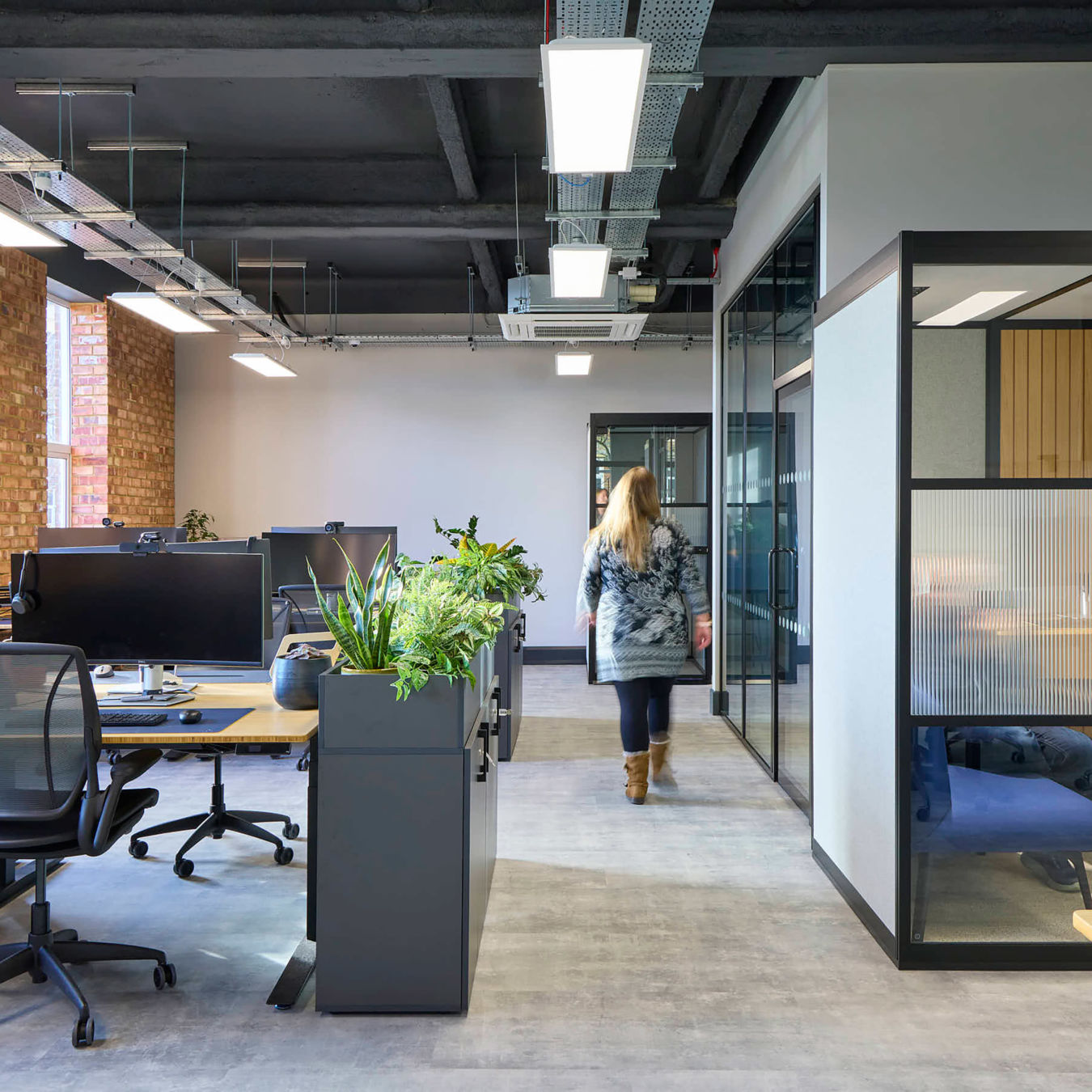
Many organisations are operating with workplace layouts that no longer reflect the way their teams work. By assessing occupancy levels, utilisation patterns and future requirements, workplace strategy helps identify opportunities to optimise space, improve efficiency and ensure workplace investment aligns with actual business needs. The result is a workplace that performs more effectively today while remaining flexible for tomorrow.
The most sustainable workplace is often one that makes better use of what already exists.
Retaining and repurposing existing assets can reduce both environmental impact and project costs while extending the value of previous workplace investment. Our workplace strategy approach considers how existing furniture, assets and spaces can be retained, repurposed or adapted before replacement is considered.
By understanding future workplace needs from the outset, organisations can reduce waste, avoid unnecessary expenditure and maximise the value of existing investments. Embedding sustainability within workplace strategy helps create workplaces that are more efficient, adaptable and resilient while supporting wider environmental and ESG objectives.
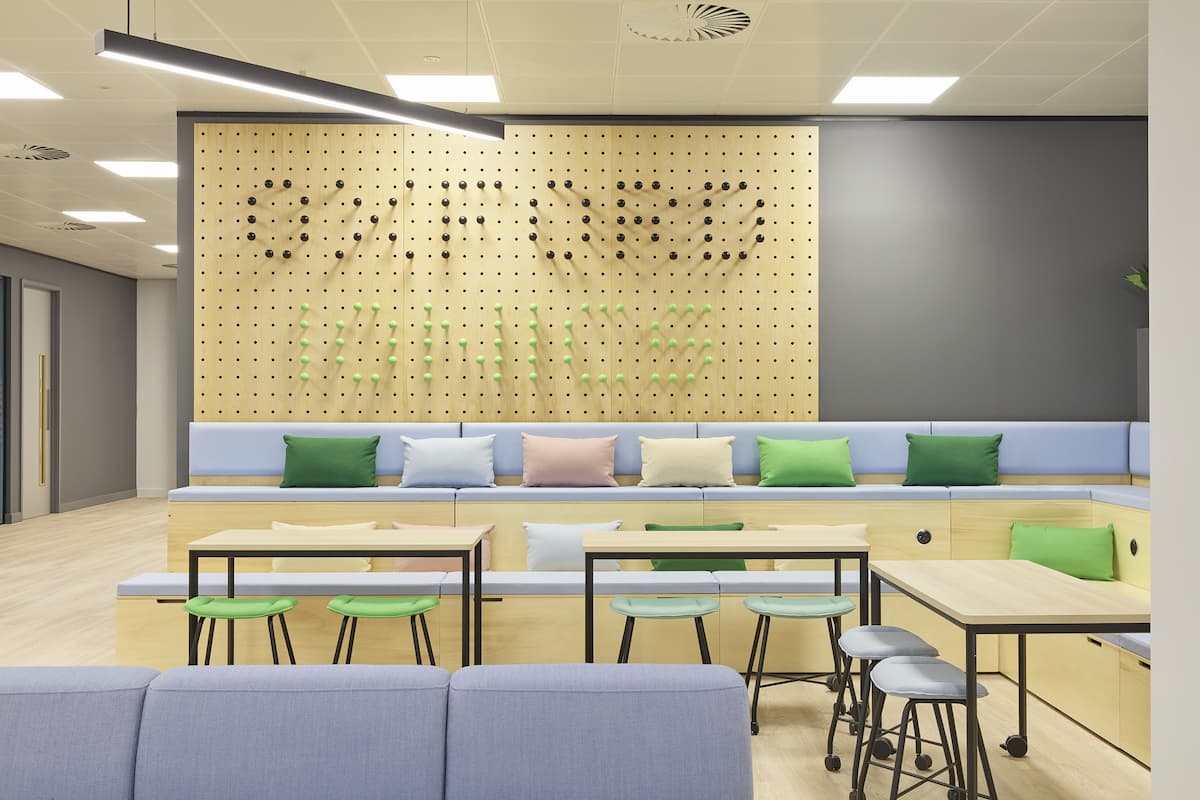
Workplace strategy is most effective when recommendations can be delivered in practice.
Our workplace consultants work alongside designers, project managers and project managers, ensuring recommendations are commercially realistic, achievable and aligned with long-term business goals. This provides a clear route from strategy through to implementation, reducing risk and creating confidence at every stage of the process.

Workplace strategy aligns people, place and business objectives to create environments that support organisational performance, employee experience and future growth.
Ideally before any relocation, refurbishment, expansion or major workplace investment to ensure decisions are informed by clear business and employee requirements.
Workplace strategy defines how a workplace should function based on organisational goals, employee needs and future requirements. Workplace design then translates those requirements into physical environments, layouts and experiences.
It helps senior stakeholders understand how employees work and determines the types of spaces needed to support both focused and collaborative activities.
This may include occupancy data, utilisation studies, employee feedback, stakeholder engagement, workplace observations and future growth forecasts.
Yes. Better alignment between employee needs and workplace design can improve satisfaction, collaboration, wellbeing and retention.
It helps organisations make informed decisions about space, assets and resources while identifying opportunities to reduce waste, improve efficiency and retain existing workplace investments.
Most organisations revisit their workplace strategy when significant changes occur, such as growth, restructuring, relocation or evolving ways of working.
Want Our KnowHow
straight into your inbox?
Sign-up to our newsletter click here