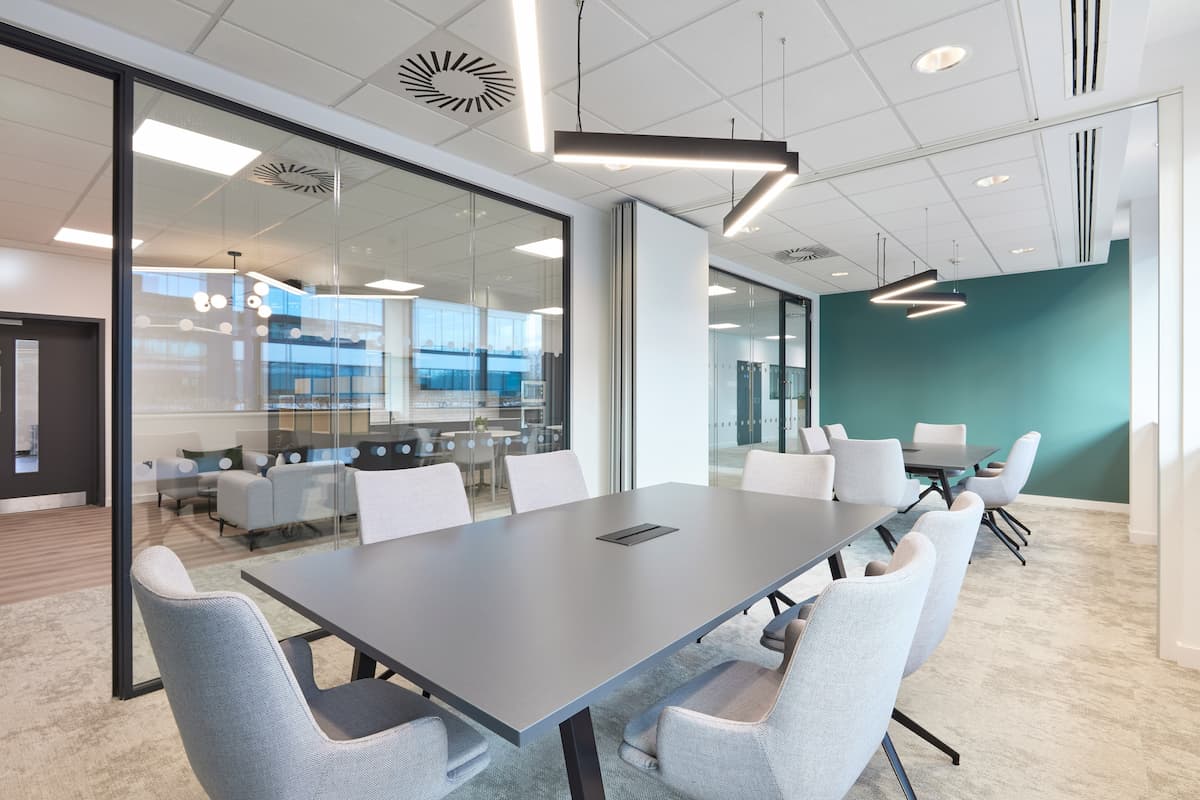
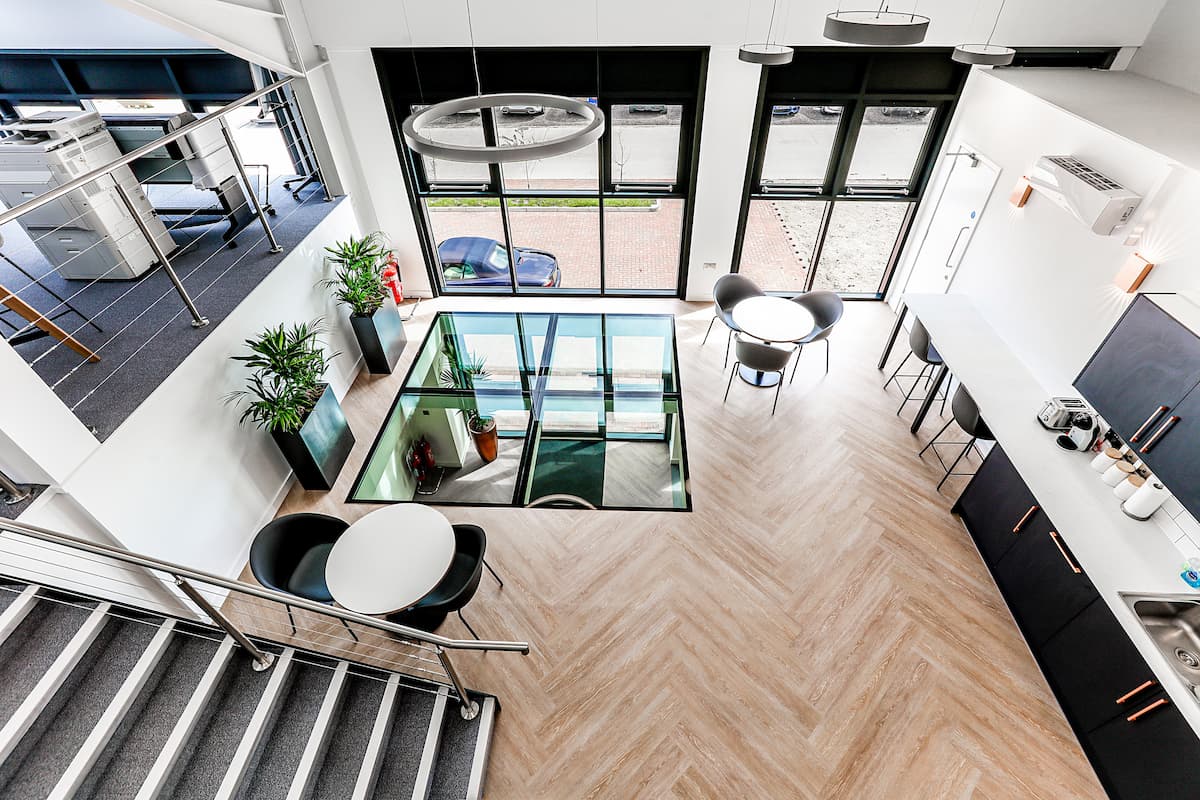
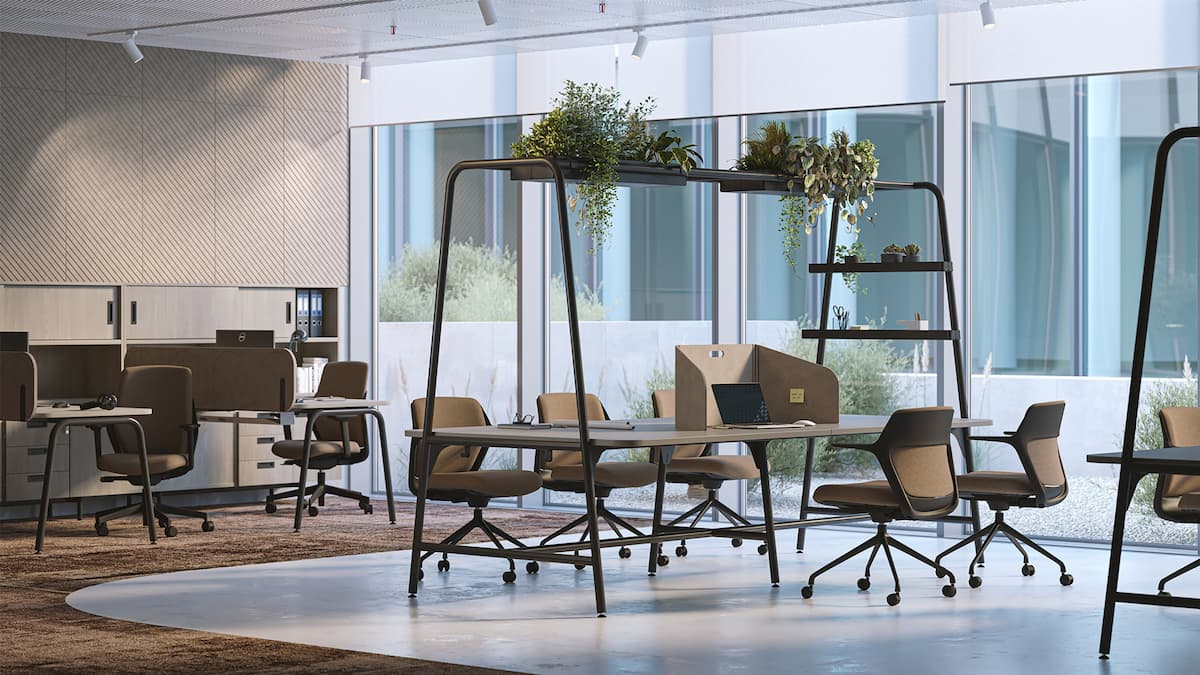
Sustainable workplace design creates workplaces that support people, reduce environmental impact and make better use of resources. By embedding sustainability into the design process from the outset, we help clients balance environmental responsibility, employee wellbeing and commercial priorities.
Send us a brief
If you have project coming up or just need some guidance, our team would love to hear from you.
OTHER DESIGN SERVICES
Expectations around workplace sustainability have changed significantly in recent years. Employees, occupiers, investors and landlords are placing greater emphasis on environmental responsibility, wellbeing and building performance.
We believe sustainable workplace design goes beyond materials and certifications. Through considered design, we help clients reduce environmental impact, support wellbeing and improve workplace performance.
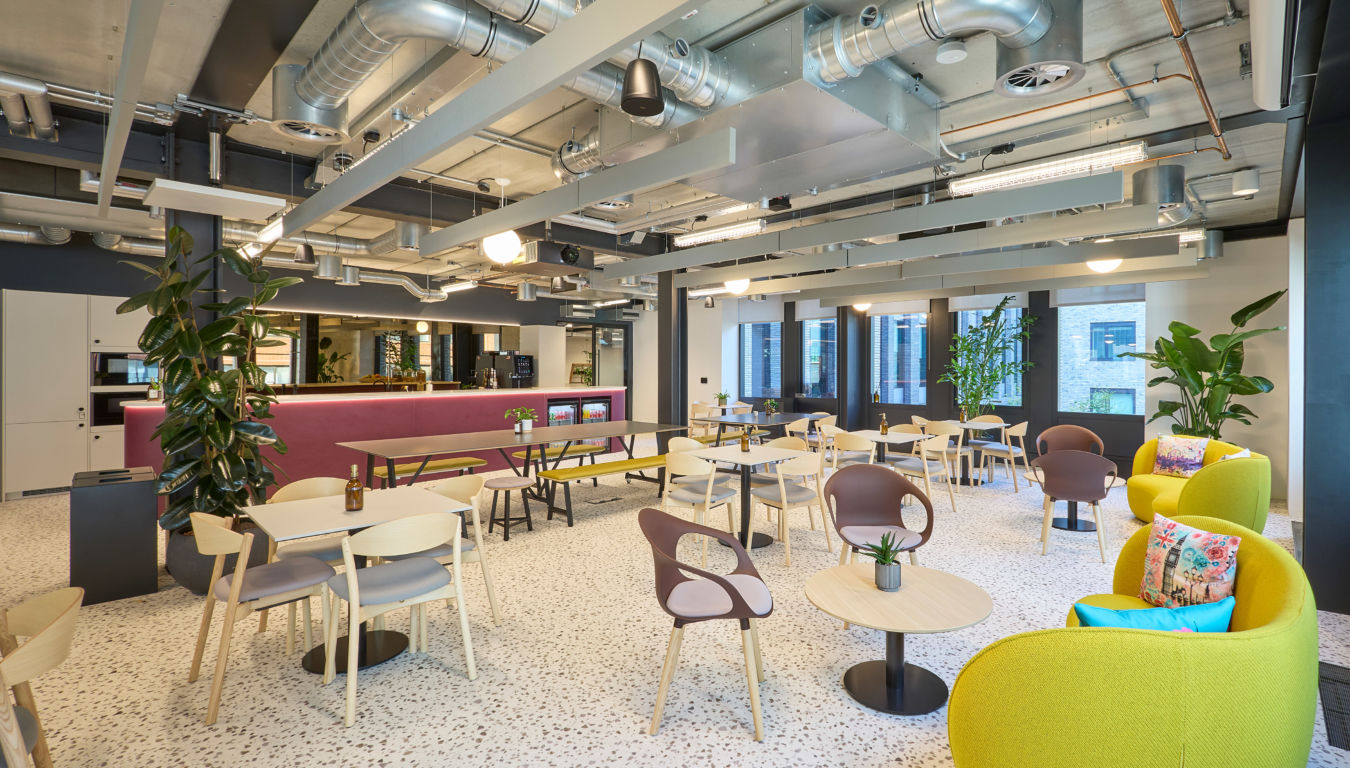
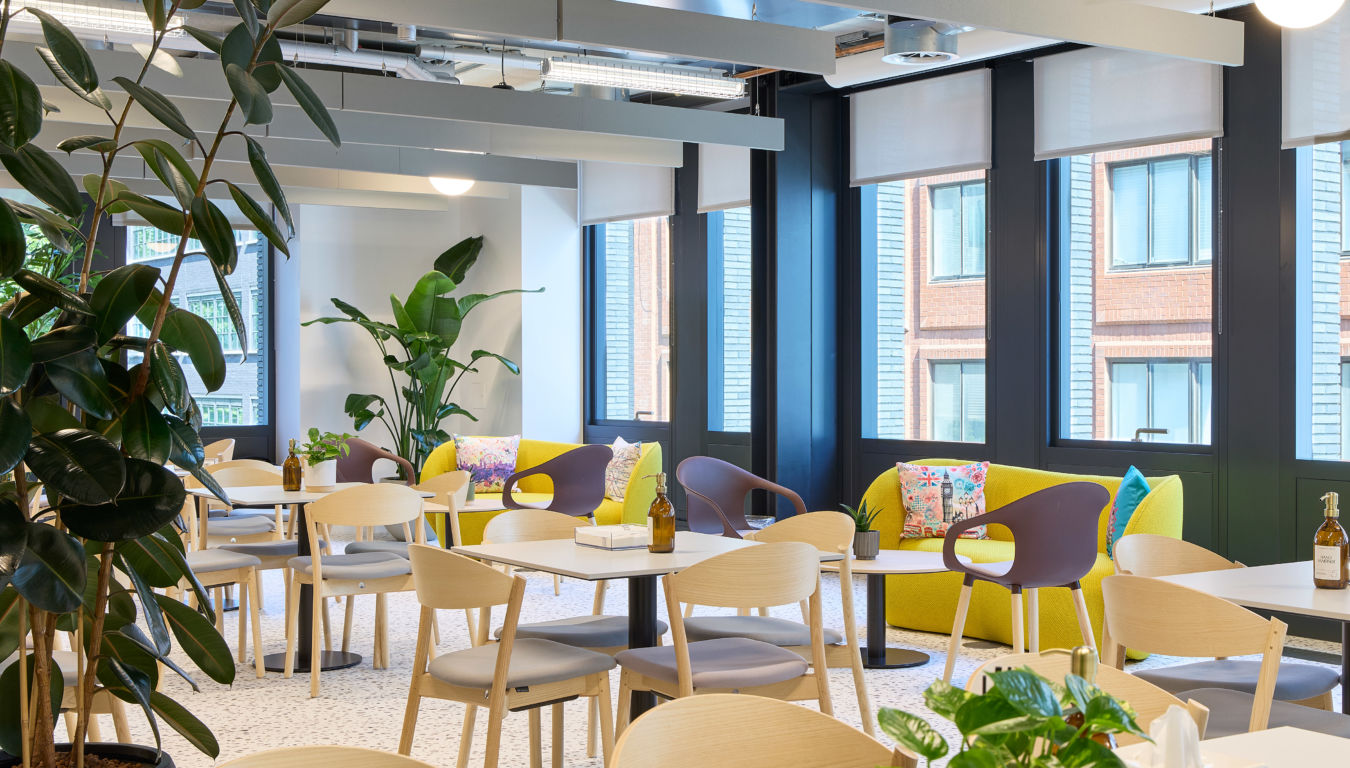
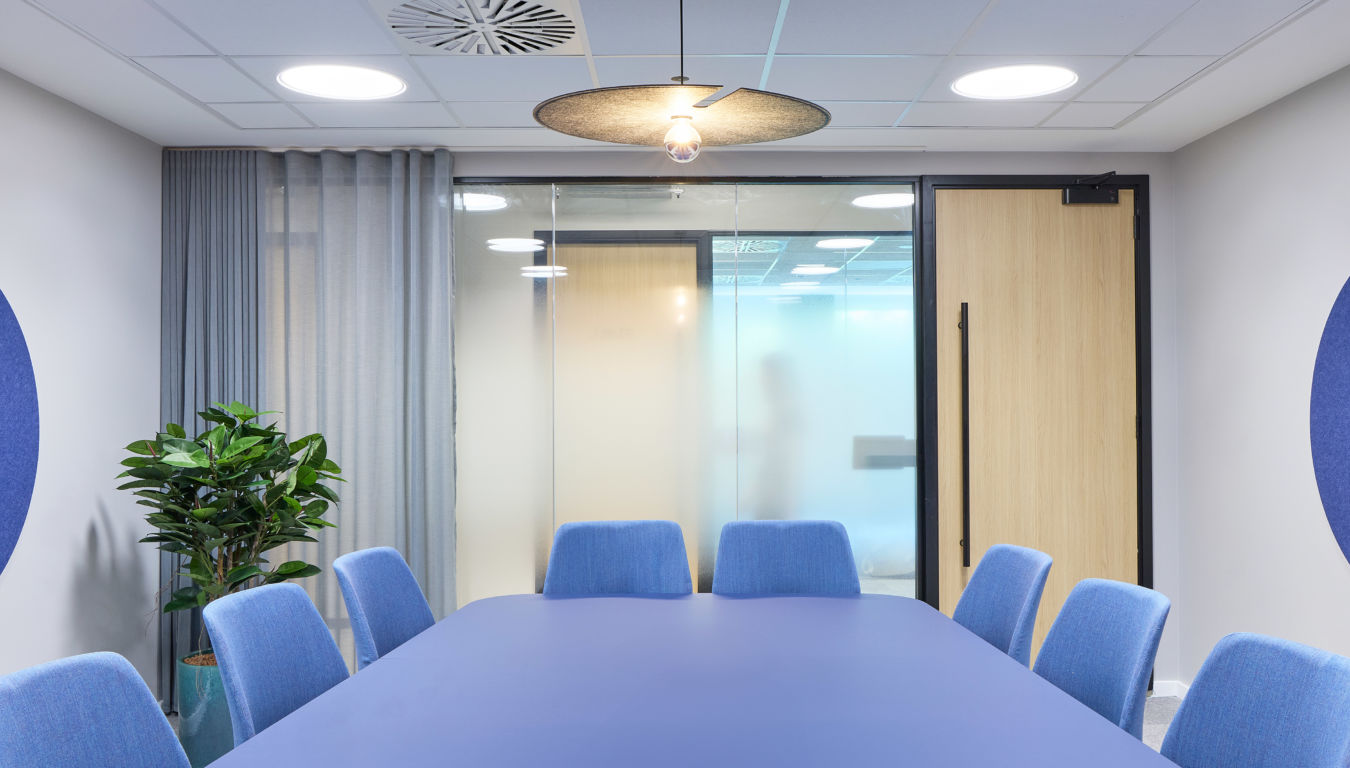
Every project is different, but sustainability considerations are embedded throughout our design process.
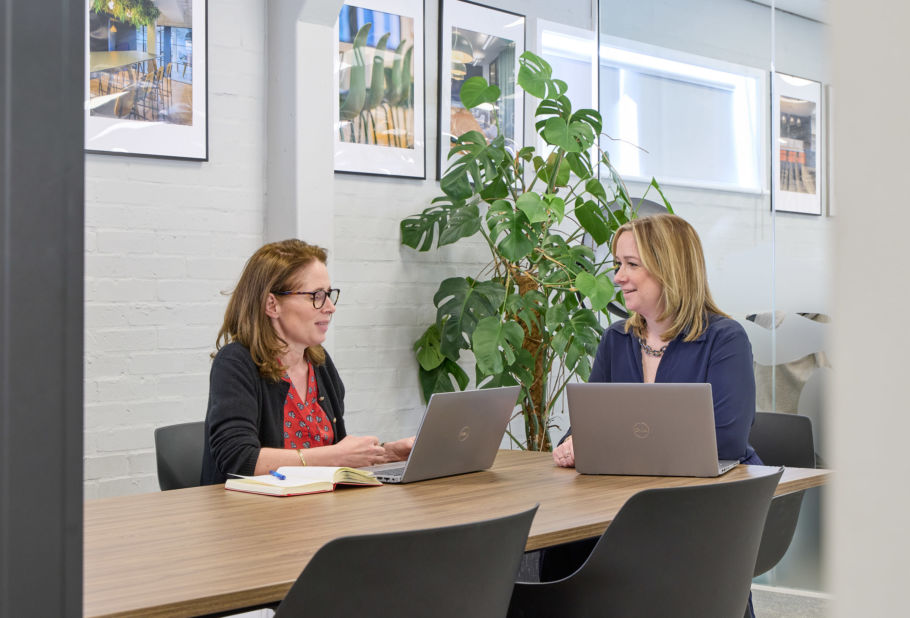
We begin by understanding your sustainability objectives, workplace requirements and business priorities. This may include ESG targets, employee wellbeing goals, operational requirements, workplace performance challenges and future plans.
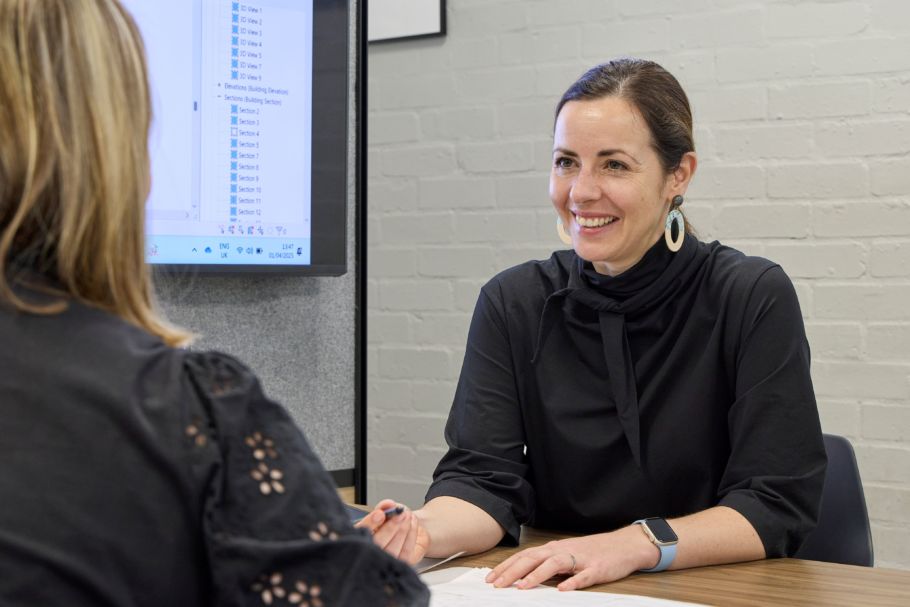
We review opportunities to improve workplace and building performance. This may include evaluating natural light, workplace utilisation, energy performance, adaptability, wellbeing considerations and opportunities to repurpose existing assets.

We develop workplace design solutions that balance sustainability, functionality and user experience. Considerations may include biophilic design, workplace flexibility, wellbeing-focused spaces, material selection and strategies that support future adaptability.
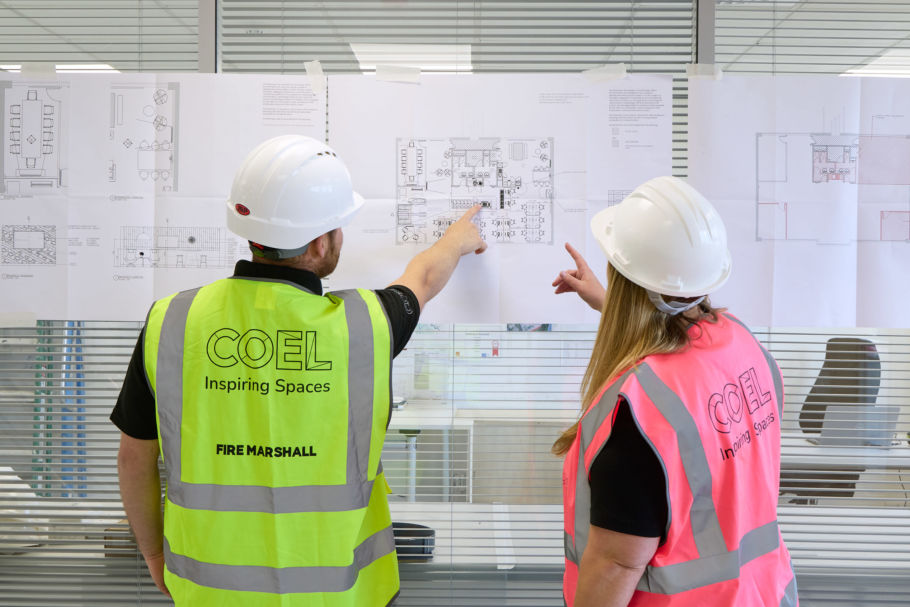
Working closely with our wider design and delivery teams, we help ensure sustainability ambitions are translated into practical workplace solutions that can be successfully implemented.
We begin by understanding your sustainability objectives, workplace requirements and business priorities. This may include ESG targets, employee wellbeing goals, operational requirements, workplace performance challenges and future plans.
We review opportunities to improve workplace and building performance. This may include evaluating natural light, workplace utilisation, energy performance, adaptability, wellbeing considerations and opportunities to repurpose existing assets.
We develop workplace design solutions that balance sustainability, functionality and user experience. Considerations may include biophilic design, workplace flexibility, wellbeing-focused spaces, material selection and strategies that support future adaptability.
Working closely with our wider design and delivery teams, we help ensure sustainability ambitions are translated into practical workplace solutions that can be successfully implemented.
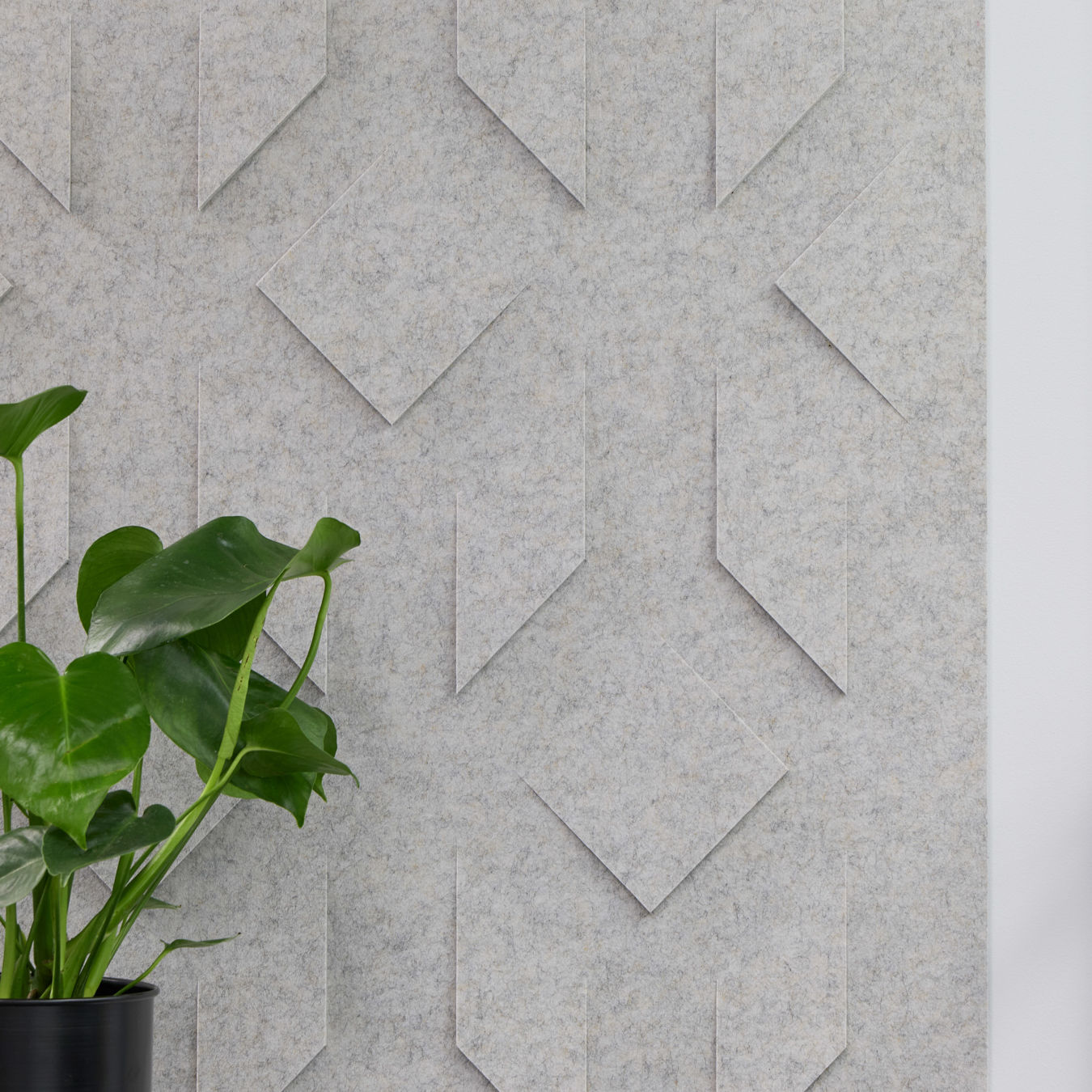
The most successful sustainable workplaces support environmental responsibility and workplace performance in equal measure.
Workplace design has a direct impact on wellbeing, productivity and employee experience. Natural light, air quality, acoustics, workplace choice and access to collaborative and focused settings all influence how people feel and perform throughout the working day.
Sustainable design frameworks such as BREEAM and WELL increasingly recognise this relationship. While BREEAM focuses on environmental performance and resource efficiency, WELL places greater emphasis on health, wellbeing and occupant experience. Together they help create workplaces that are both environmentally responsible and better for the people who use them.
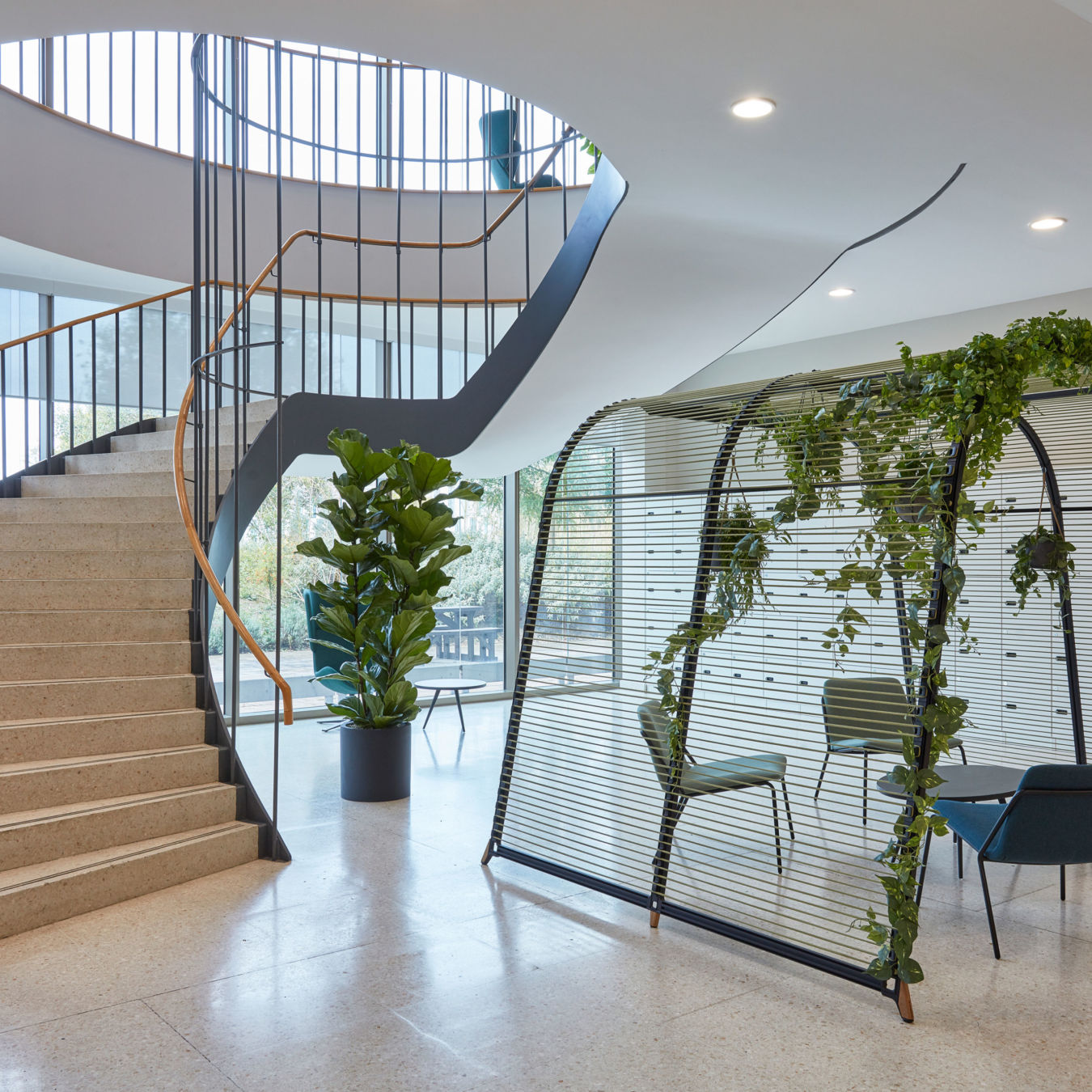
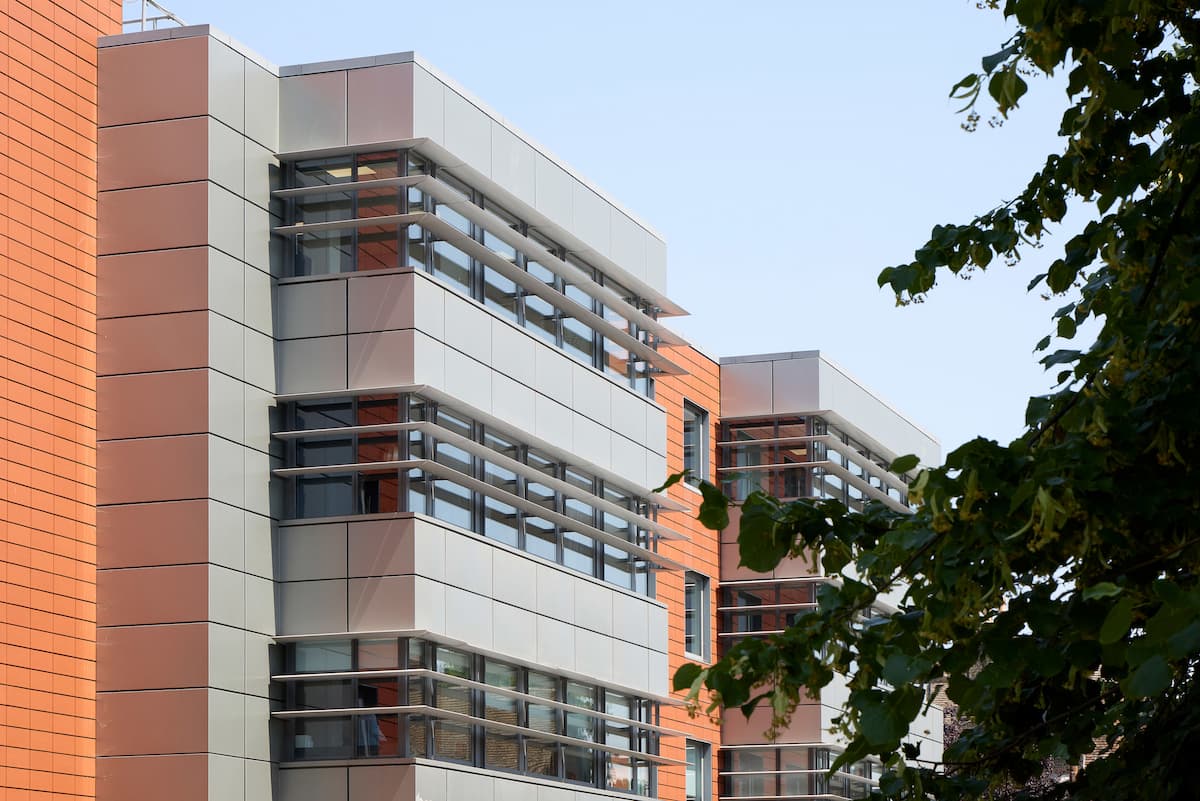
One of the most effective ways to reduce environmental impact is to maximise the value of existing buildings. In many cases, refurbishment, retrofit and adaptive reuse can provide a more sustainable alternative to redevelopment. Improving what already exists can reduce waste, minimise embodied carbon and help buildings remain relevant in an evolving market.
Our designers work closely with clients to identify opportunities to reconfigure, refresh and improve workplaces, helping assets continue to meet changing occupier expectations while supporting sustainability objectives.
This may include workplace reconfiguration, improved building performance, enhanced energy efficiency and design strategies that contribute towards improved EPC ratings and future compliance requirements.
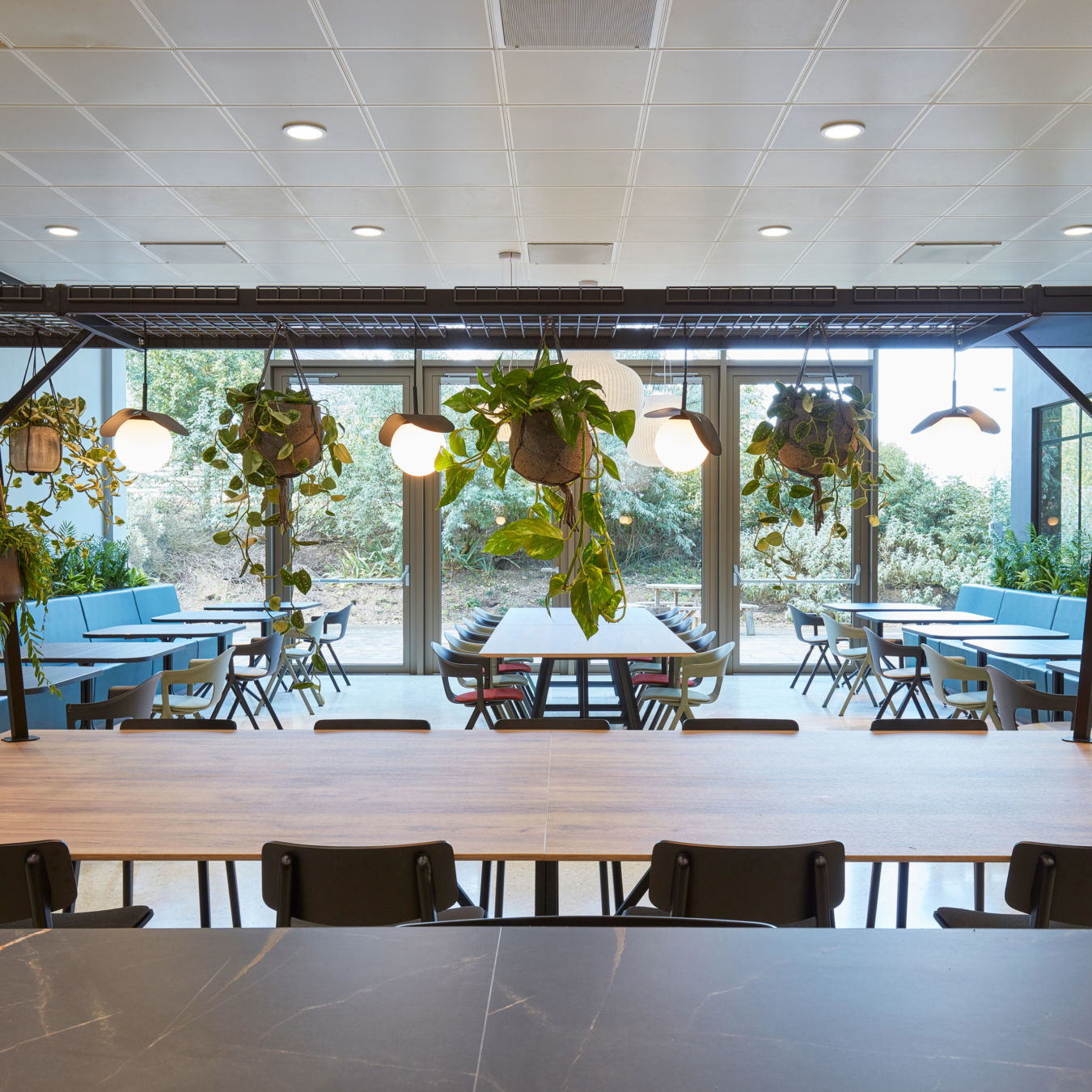
People have an innate connection to nature, making biophilic design an important consideration within sustainable workplace design.
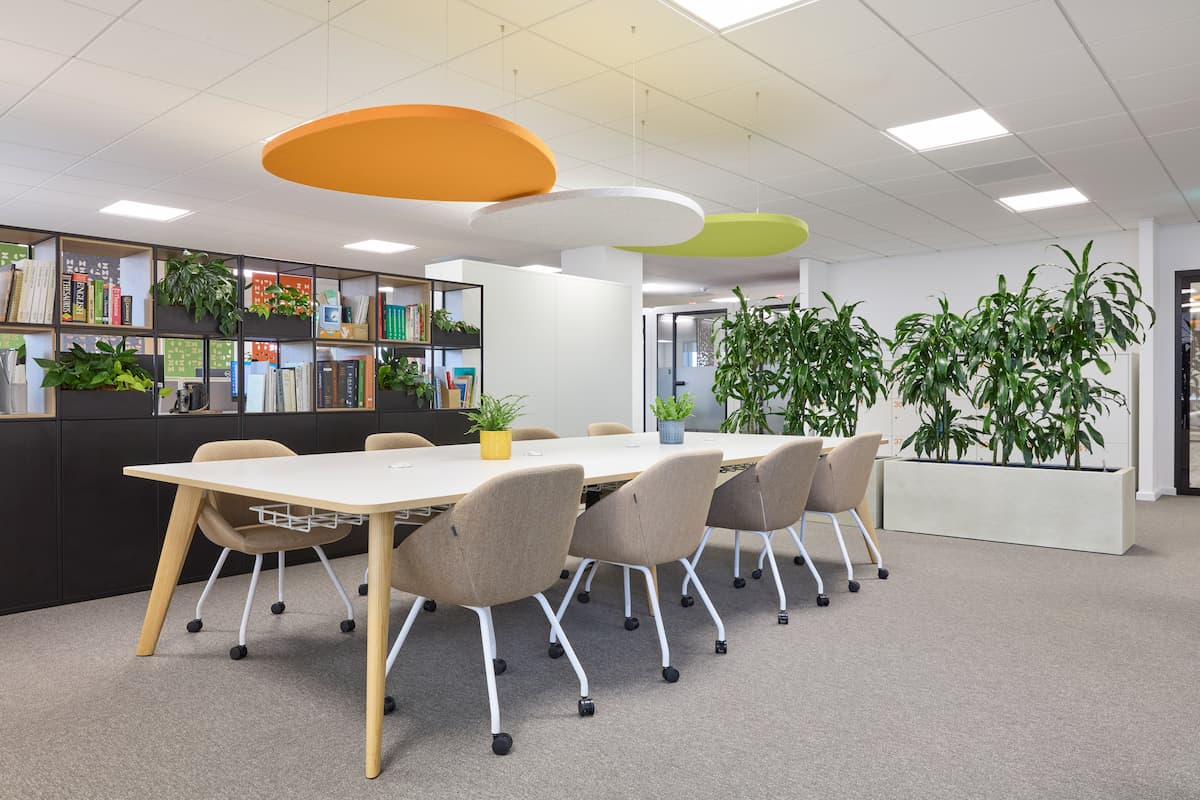
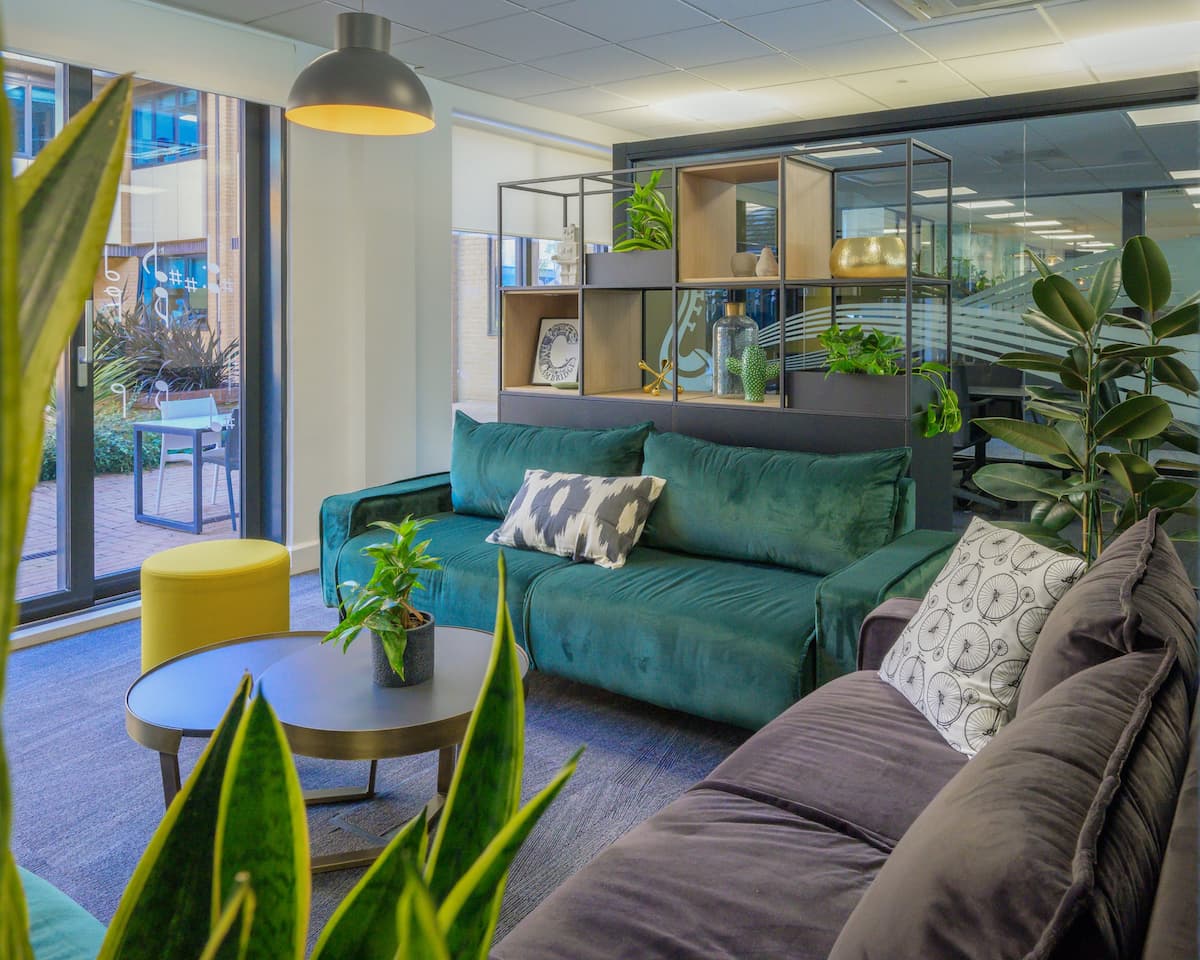
By incorporating natural materials, daylight, planting, textures and organic forms, biophilic design helps create workplaces that feel healthier, more engaging and more connected to the world outside.
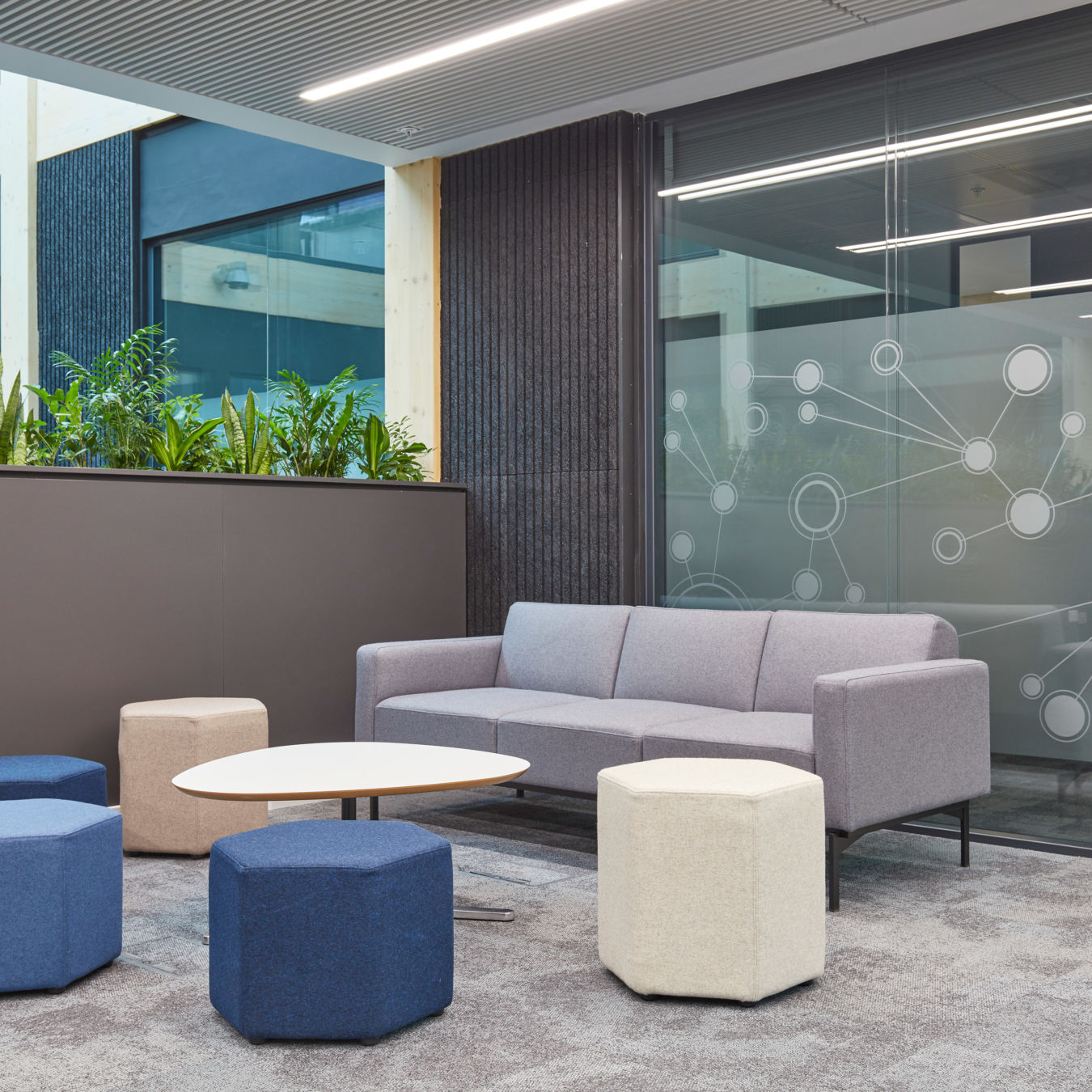
Whether through feature planting, natural material palettes, access to daylight or carefully considered breakout spaces, these principles can support wellbeing, strengthen workplace experience and create places where people genuinely want to spend time.
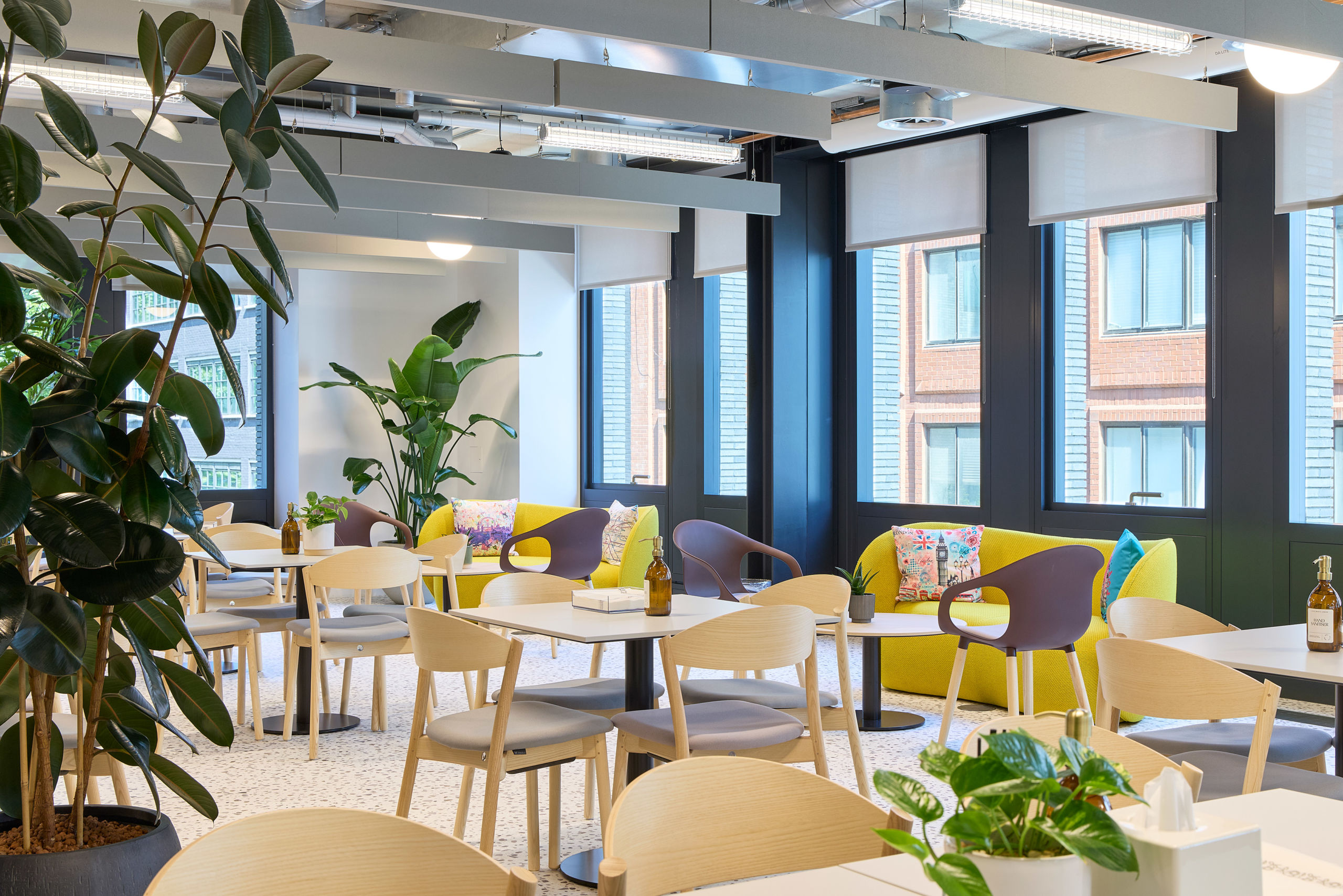
Sustainable workplace design influences far more than environmental performance. It shapes employee experience, workplace efficiency, building performance and the way organisations invest in their spaces.
People.
Create healthier workplaces that support wellbeing, productivity and employee experience through better air quality, natural light, workplace choice and biophilic design.
Planet.
Reduce environmental impact through responsible material selection, improved energy performance, refurbishment and retrofit strategies, and design decisions that support BREEAM, WELL and wider ESG objectives.
Performance.
Improve workplace effectiveness, adaptability and building performance while helping assets remain relevant and attractive as workplace requirements evolve.
Circularity.
Reduce waste and maximise the value of existing assets through refurbishment, reuse and responsible workplace lifecycle management, supporting more sustainable project outcomes.
Sustainability should deliver measurable improvements, not simply environmental claims. Unlike consultants who focus solely on sustainability strategies, our team combines workplace consultancy, commercial interior design and fit out expertise. This allows us to consider sustainability alongside budgets, programme requirements, operational needs and building constraints from the outset.
As part of our integrated Plan, Design, Build, Furnish, Relocate and Maintain approach, our sustainability ambitions are embedded within the wider project journey, creating practical solutions that can be delivered successfully and continue to perform long after project completion.
Sustainability extends beyond the design of the workplace itself. Through responsible furniture planning and our partnership with Sustain, we help clients reduce waste generated during workplace projects by diverting unwanted furniture, packaging and materials away from landfill wherever possible. By prioritising reuse, refurbishment, recycling and responsible disposal, we support wider sustainability objectives while helping clients make better use of existing resources.
Creating sustainable workplaces requires strategic thinking, thoughtful design and practical delivery expertise. Meet some of the specialists helping clients bring sustainability ambitions to life.

Sustainable workplace design creates workplaces that reduce environmental impact while supporting wellbeing, workplace performance and the responsible use of resources.
No. Many of the most effective sustainability improvements can be achieved through refurbishment, retrofit and adaptive reuse projects.
Biophilic design incorporates natural elements, materials, daylight and planting to strengthen the connection between people and nature and improve wellbeing.
BREEAM focuses on environmental performance, resource efficiency and sustainability, while WELL focuses on health, wellbeing and occupant experience. Together they provide a broader approach to workplace performance.
Yes. Workplace refurbishment and building improvement strategies can support wider energy efficiency objectives and contribute towards improved building performance.
Yes. Employees increasingly expect workplaces that support wellbeing, flexibility, comfort and environmental responsibility.
No. Effective sustainable workplace design also considers wellbeing, workplace performance, adaptability, future compliance requirements and the responsible use of resources throughout the workplace lifecycle.
Want Our KnowHow
straight into your inbox?
Sign-up to our newsletter click here