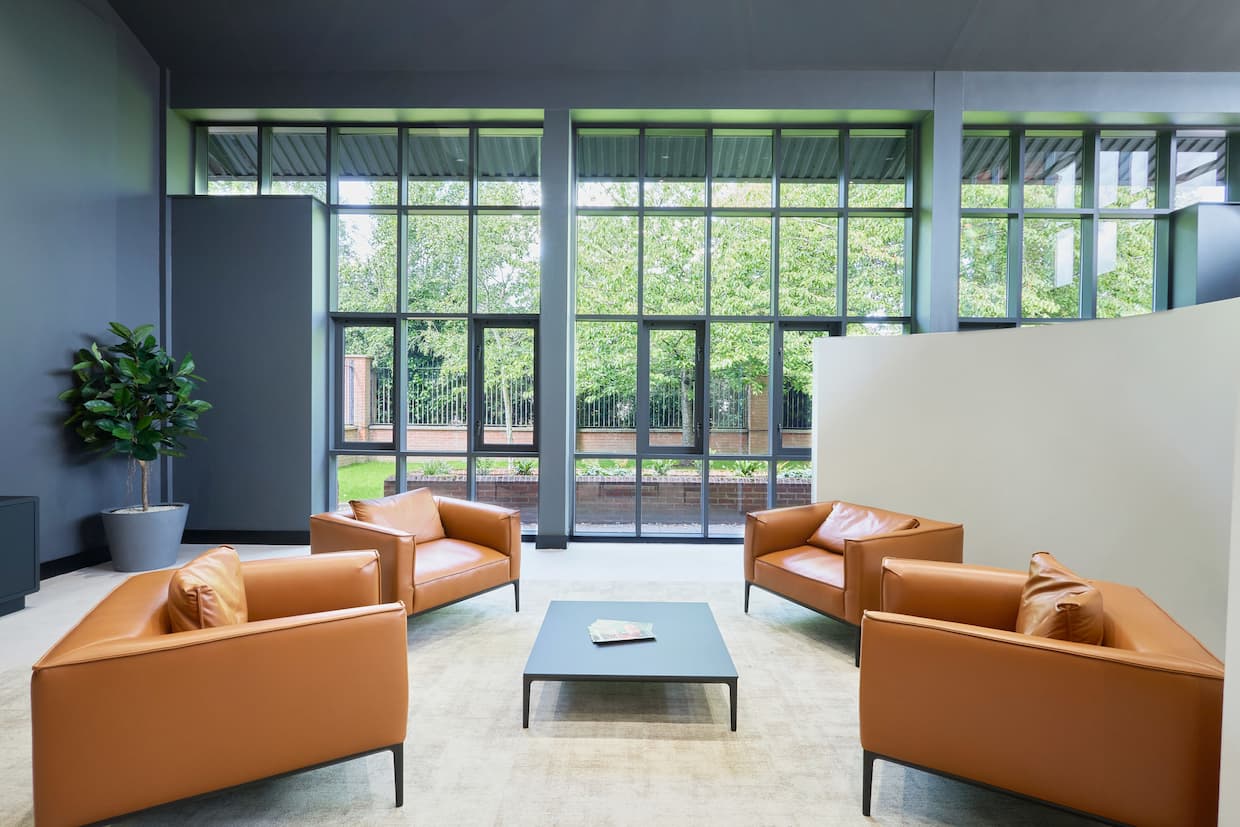
The way we furnish our workplaces says a great deal about how we do business. Across the UK, organisations are placing greater emphasis on reducing carbon emissions, managing resources responsibly and demonstrating meaningful Environmental, Social and Governance (ESG) commitments.
While energy efficiency and building performance often receive the greatest attention, office furniture also has an important role to play. From the materials used in desks and chairs to manufacturing processes, transportation and eventual disposal, every furniture decision contributes to the environmental impact of a workplace.
Choosing sustainable commercial office furniture is therefore about more than selecting products with recycled content or environmental certifications. It involves assessing durability, adaptability, employee comfort and the opportunities to reuse existing furniture rather than purchasing new products unnecessarily.
By incorporating responsible furniture procurement into a wider sustainable office fit-out strategy, businesses can reduce waste, support employee wellbeing and create attractive workplaces that remain functional for years to come.
Sustainable office furniture combines practical performance with responsible material sourcing, manufacturing and lifecycle management. Rather than focusing solely on appearance or initial purchase price, businesses should assess how furniture is produced, how long it will remain useful and what happens when it is no longer required.
A genuinely sustainable approach also recognises that purchasing new furniture is not always necessary. Retaining, refurbishing or reconfiguring existing products can help reduce resource consumption while supporting changing workplace requirements.
Furniture sustainability should be assessed across the entire product lifecycle, from raw material extraction and manufacturing through to transportation, daily use, maintenance and eventual disposal.
Products designed for durability, repair and adaptability can reduce the frequency of replacement, helping businesses avoid unnecessary expenditure and waste.
For example, a well-manufactured office chair with replaceable components may remain useful considerably longer than a cheaper alternative that cannot be repaired. Similarly, modular workstations can be reconfigured as departments change, reducing the need to purchase entirely new furniture systems.
The environmental performance of a product also depends on its materials and manufacturing processes. Furniture containing recycled materials may offer advantages, but those benefits should be assessed alongside product lifespan, transport emissions and end-of-life options.
Responsible material selection can reduce the environmental impact of commercial office furniture while maintaining the durability required for everyday workplace use.
Suitable options include:
Material selection should also account for how furniture will be used. A product that performs reliably for many years may provide better environmental value than one with impressive recycled content but a limited working life.
Environmental certifications can help businesses evaluate furniture products and suppliers, providing independent evidence of specific sustainability characteristics.
However, different certifications assess different aspects of environmental performance, so it is important to understand what each standard represents.
Environmental Product Declarations (EPDs) can provide further information about the assessed lifecycle impacts of particular products, including their embodied carbon.
These documents can help businesses compare suitable furniture options using more meaningful evidence rather than relying on general environmental marketing claims.
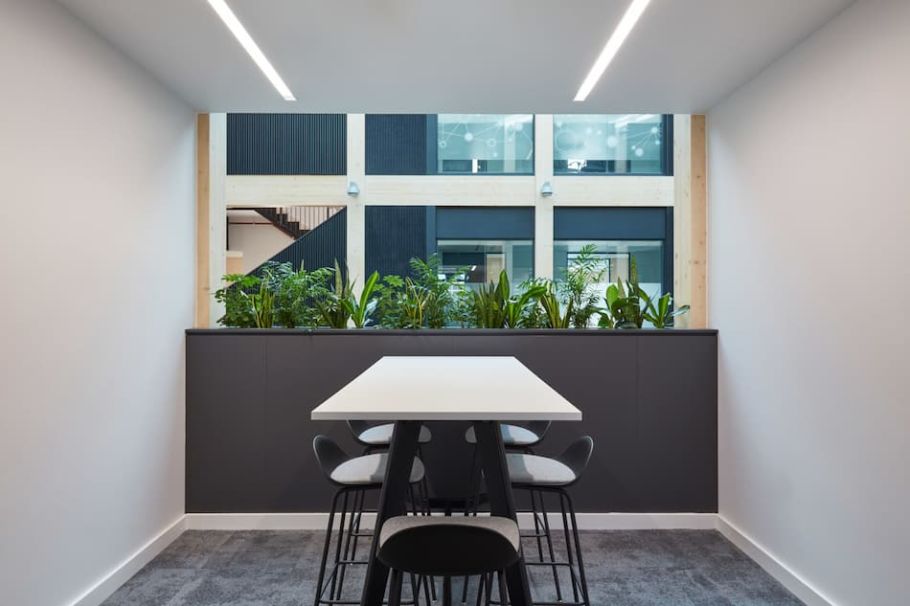
Sustainable furniture procurement can deliver practical advantages for businesses, from reducing waste and supporting ESG commitments to improving workplace comfort and controlling long-term costs.
The greatest benefits are achieved when furniture decisions form part of a coordinated approach to workplace planning, rather than being treated as isolated purchasing choices.
Furniture manufacturing requires raw materials, energy, transportation and packaging, all of which contribute to environmental impact.
Selecting durable products, incorporating recycled materials and prioritising reuse can help reduce demand for new resources and minimise waste.
Businesses can also reduce unnecessary transportation by coordinating deliveries, sourcing products responsibly and working with suppliers who offer local storage or consolidated logistics.
At COEL, our approach to sustainable furniture consultancy includes responsible sourcing, furniture reuse and ethical recycling, helping organisations identify opportunities to reduce the environmental impact of their workplace projects.
Furniture contributes to the overall quality of the working environment, particularly through material selection, ergonomic performance and the way workstations are arranged.
Products manufactured with low-emission adhesives, coatings and finishes can help limit the contribution furniture makes to indoor volatile organic compound (VOC) concentrations.
However, furniture is only one influence on indoor air quality. Ventilation, cleaning products, building materials and other environmental factors must also be addressed.
Employee comfort is equally important. Ergonomic chairs, height-adjustable desks and appropriately positioned equipment can support comfortable working postures and encourage movement throughout the day.
Combining sustainable furniture choices with thoughtful commercial office interior design helps create workplaces that support both environmental objectives and employee wellbeing.
Environmental responsibility is increasingly reflected in the expectations of employees, clients, investors and other stakeholders.
Choosing sustainable furniture allows businesses to demonstrate their commitments through practical decisions about materials, procurement, and waste management.
However, credible ESG reporting requires more than describing furniture as environmentally friendly. Businesses should be able to demonstrate the reasons behind their purchasing decisions, supported by relevant certifications, supplier information or measurable project outcomes.
At COEL, our ESG commitments inform the way we approach responsible design, material selection and workplace delivery.
By incorporating sustainability into furniture procurement, organisations can create environments that reflect their values while supporting wider environmental objectives.
Sustainable office furniture may require a greater initial investment, but durability and adaptability can improve its value over time.
High-quality desks, chairs and storage systems that withstand regular use may require fewer replacements, while products with accessible spare parts can often be repaired rather than discarded.
Modular furniture can also reduce future expenditure by allowing existing products to be reconfigured when team sizes or working arrangements change.
Businesses should therefore assess total cost of ownership, including purchase price, maintenance, repair, replacement and eventual disposal.
This approach can identify opportunities to achieve long-term savings without compromising employee comfort or workplace functionality.
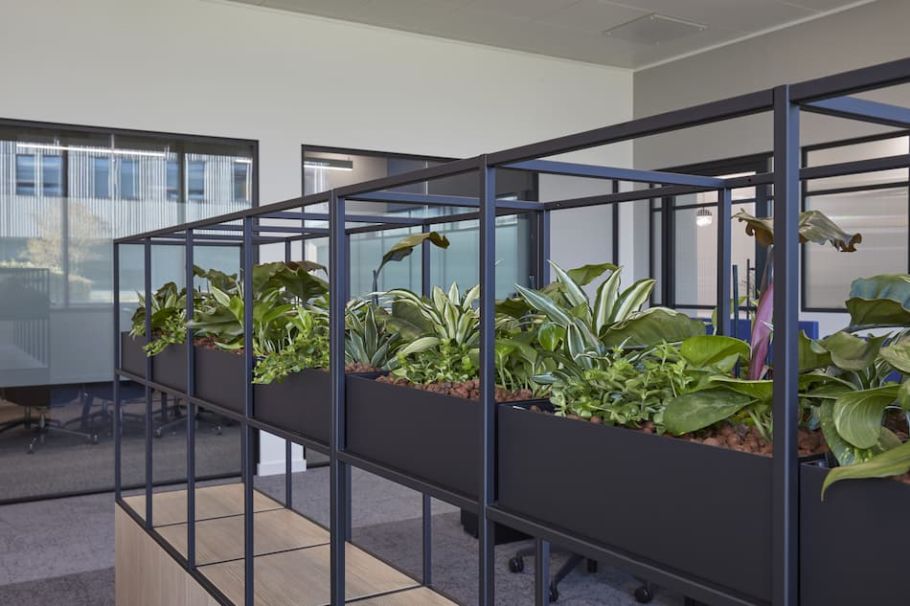
Not every product marketed as sustainable offers the same environmental advantages.
When selecting furniture, businesses should focus on practical characteristics that support longevity, responsible material use and opportunities for future reuse.
Furniture containing recycled or responsibly sourced materials can help reduce demand for new resources.
Examples include desks manufactured using recycled wood fibre, chairs incorporating recycled plastics and metal components containing recycled material.
Renewable materials such as responsibly sourced timber and natural fibres can also be suitable, provided their durability and environmental performance meet workplace requirements.
However, material content should not be assessed in isolation. Products must remain comfortable, functional and capable of withstanding commercial use.
COEL’s commercial furniture team works with established manufacturers to source products that balance environmental considerations with quality, design and practical performance.
Adaptability is an important characteristic of sustainable office furniture.
Modular desks, seating systems and storage units can be rearranged or expanded as business requirements change, reducing the need for complete furniture replacement.
For example, a growing organisation may need to increase workstation capacity, while another business may require more collaborative areas to support hybrid working.
Furniture designed for reconfiguration allows these changes to be accommodated with fewer new products.
Flexible collaborative office furniture can also support different activities within the same environment, helping businesses make more effective use of their available floor space.
Surface coatings, adhesives and upholstery materials can influence the chemical emissions associated with furniture.
Selecting products with verified low-emission characteristics can help businesses manage this aspect of indoor environmental quality.
Water-based finishes and certain lower-emission adhesives may be suitable options, although their environmental performance should be assessed using product-specific evidence rather than assumptions based on individual ingredients.
Businesses should also assess durability and cleaning requirements. A finish that requires frequent replacement may create additional environmental impacts even if its initial emissions are relatively low.
A responsible furniture strategy should address what happens when products are no longer required.
Furniture designed for disassembly, repair and component replacement offers greater opportunities for reuse and material recovery.
Before replacing existing furniture, businesses should assess whether it can be retained, relocated, refurbished or donated.
Where reuse is not practical, responsible recycling can help recover valuable materials and reduce the amount of waste sent to landfill.
COEL works with specialist partners to support ethical furniture clearance and recycling. Our approach prioritises reuse wherever practical, followed by responsible material recovery for items that cannot be retained.
COEL’s work with a world-leading research institute in Cambridgeshire demonstrates how sustainable furniture procurement and responsible clearance can be incorporated into a major workplace relocation.
The institute required a comprehensive furniture solution for its newly constructed building, alongside the relocation of more than 450 employees.
Our furniture and relocation teams provided early-stage consultancy, space planning and a coordinated installation programme.
The furniture supplied included more than 200 sit-stand desks and ergonomic office chairs, 285 meeting room chairs, 46 meeting tables and a range of collaborative and breakout furniture.
Sustainability was a significant consideration, particularly when addressing the furniture being replaced.
Working through the Senator Sustain scheme, COEL coordinated the dismantling and ethical recycling of existing furniture, diverting 14,607 kg of material from landfill.
The project also recorded a calculated carbon saving of 20,234.26 kg of CO2, demonstrating the environmental value of responsible furniture management.
By combining ergonomic furniture selection, coordinated relocation and ethical recycling, the project supported the institute’s operational requirements while contributing to its wider sustainability objectives.

Selecting sustainable commercial office furniture requires a clear understanding of the organisation’s priorities, available budget and long-term workplace requirements.
The most effective approach combines supplier assessment, lifecycle evaluation and practical furniture specifications.
Businesses should assess furniture suppliers based on their environmental policies, manufacturing practices, and ability to provide reliable product information.
Useful questions include whether manufacturers use responsibly sourced materials, provide environmental certifications and offer repair, refurbishment or recycling services.
Membership or accreditation through recognised industry initiatives, including the Furniture Industry Sustainability Programme (FISP), may provide additional evidence of a supplier’s commitment to responsible business practices.
However, supplier credentials should be reviewed alongside individual product specifications and supporting documentation.
At COEL, we work with manufacturers and suppliers who share our commitment to responsible sourcing and sustainable workplace solutions, helping clients identify furniture that aligns with their environmental priorities.
A lifecycle approach evaluates the environmental impact of furniture from manufacture through to eventual disposal.
Businesses should assess material sourcing, embodied carbon, transport requirements, expected lifespan and the potential for repair or reuse.
For example, purchasing a new chair made with recycled materials may seem environmentally preferable, but refurbishing an existing chair could avoid the impacts of manufacturing a replacement.
Similarly, furniture designed to remain functional for many years may offer better overall value than products requiring frequent replacement.
Where available, Environmental Product Declarations and lifecycle assessments can provide additional evidence to support procurement decisions.
A coordinated furniture strategy can also identify opportunities to retain existing products, reduce unnecessary orders and consolidate deliveries.
Sustainability should never come at the expense of comfort or functionality.
Furniture must remain suitable for the activities employees undertake, with appropriate dimensions, adjustability and support.
Ergonomic chairs, height-adjustable desks and suitable workstation accessories can contribute to a comfortable working environment, while adaptable meeting furniture can accommodate different team activities.
Accessibility should also be incorporated into furniture selection, ensuring that employees with different physical requirements can use workplace facilities comfortably.
The most effective furniture schemes balance sustainability with everyday performance, creating environments that employees can use confidently and comfortably.
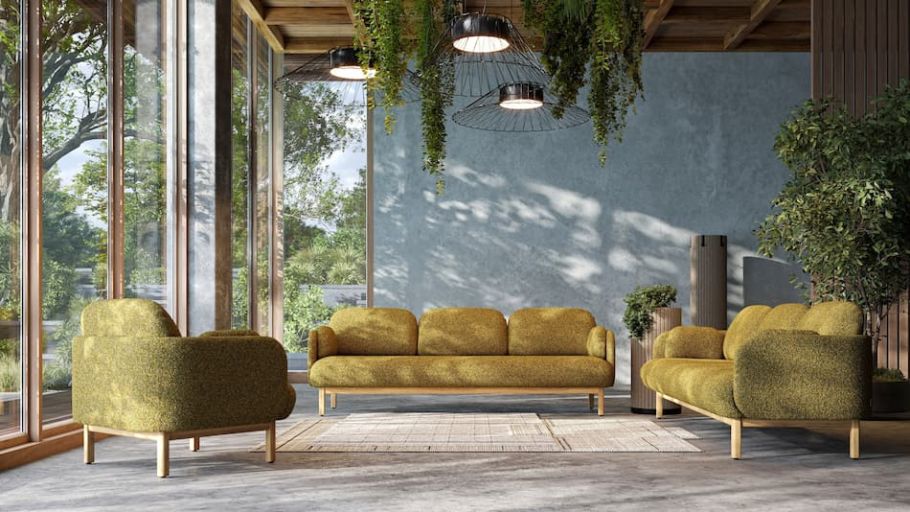
Sustainable commercial office furniture does not have to compromise visual appeal.
Modern manufacturers offer an extensive selection of products combining responsible materials, durable construction and contemporary design.
From minimalist workstations to distinctive breakout seating, sustainable furniture can contribute to a workplace that reflects a company’s identity while supporting environmental objectives.
Sustainable furniture is available in a wide range of colours, materials and styles, allowing businesses to create distinctive environments without relying exclusively on newly manufactured products.
Recycled materials can be incorporated into contemporary furniture designs, while responsibly sourced timber, durable fabrics and refurbished products can complement both modern and traditional interiors.
Furniture can also reinforce brand identity through carefully selected colours, finishes and bespoke details.
The relationship between furniture and the wider interior is particularly important. Thoughtful bespoke office furniture can help businesses achieve a cohesive design while addressing specific spatial or operational requirements.
By selecting products that balance visual appeal with durability and adaptability, organisations can create workplaces that remain relevant as design preferences and working practices evolve.
Circular design is becoming an increasingly important influence on commercial furniture selection.
Rather than treating products as disposable assets, circular principles encourage businesses to retain materials in use through repair, refurbishment, reuse and recycling.
This approach is particularly relevant during office relocations and refurbishments, where substantial quantities of existing furniture may remain suitable for continued use.
Biophilic design is another established feature of contemporary workplaces, incorporating natural materials, planting and visual connections with nature.
Although biophilic design and sustainability are not interchangeable, the two approaches can complement one another when responsibly sourced materials and thoughtful environmental design are combined.
At COEL, sustainability is incorporated into our wider approach to office design, with strategies ranging from responsible material selection and furniture recycling to reducing waste during refurbishment.
Our work on integrating sustainability into office design reflects the importance of addressing environmental performance throughout the workplace rather than focusing on individual products alone.
Creating a more sustainable workplace involves a series of informed decisions, from improving energy efficiency and reducing waste to selecting furniture that will remain useful for years to come.
Sustainable commercial office furniture provides businesses with an opportunity to reduce environmental impact while supporting employee comfort, workplace flexibility and long-term value.
The most effective solutions combine responsibly sourced materials, durable construction and adaptable design with a clear strategy for furniture reuse and eventual recycling.
For organisations planning a refurbishment, relocation or new office fit-out, these decisions are best addressed early in the project. This allows existing furniture to be assessed, suitable products to be specified and procurement arrangements to support wider sustainability objectives.
At COEL, our experienced furniture specialists help businesses make responsible choices without compromising on quality, comfort or design.
Through our sustainable furniture consultancy services, we can support product selection, responsible sourcing, furniture reuse, ethical clearance and recycling.
Our integrated approach also brings together workplace planning, interior design, furniture procurement, delivery and installation, helping businesses create environments that reflect their identity and environmental commitments.
Whether you are refurbishing an existing office, relocating your business or furnishing a new workplace, COEL can help you develop a practical and sustainable furniture strategy that supports your people and long-term objectives.
Contact COEL to discuss sustainable commercial office furniture solutions for your next workplace project.
Prefer an AI Summary?