Lease end dilapidations sit at a critical point in the commercial property lifecycle. For landlords and tenants alike, they bring together legal obligations, financial exposure and operational pressure.
A managed approach protects asset value, supports compliance and keeps projects on programme. A reactive approach often leads to avoidable costs, delays and disputes.
With increasing focus on sustainability, building performance and regulatory compliance, dilapidations now require a more considered and strategic mindset.
Dilapidations relate to breaches of lease covenants tied to the condition of a property. While often associated with lease expiry, they can arise at various points during occupation.
Market expectations have evolved. Landlords are seeking spaces that are ready to let, energy efficient and aligned with modern occupier needs. Tenants are focused on controlling exit costs while maintaining business continuity.
Alongside this, wider market drivers such as hybrid working, surplus office space, and the continued growth of the life sciences are shaping lease-end strategies. This is particularly evident in locations such as Cambridge Science Park, where demand for quality office and laboratory environments remains strong.
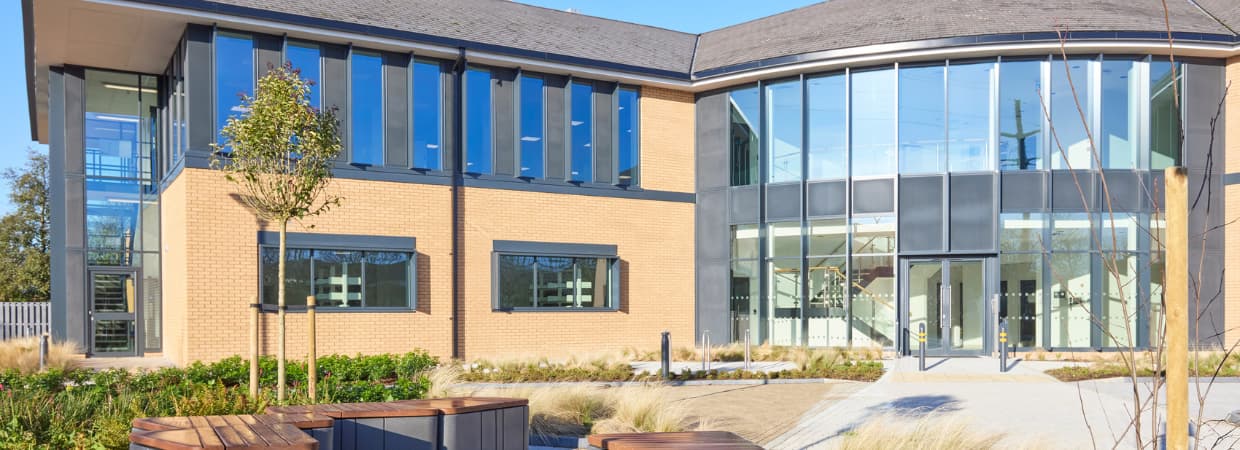
Projects such as 316 Cambridge Science Park demonstrate how a considered approach to dilapidations and reinstatement can reposition a building and unlock new value.
Dilapidations risk is often underestimated until late in the lease term. By that stage, options narrow, and costs increase.
Areas of exposure include:
Many of these risks stem from late engagement. Assessments that begin in the final months of a lease often limit flexibility and lead to higher costs.
Early review of lease obligations provides clarity, supports better decision making and creates time to plan work in a controlled and cost-effective way.
Dilapidations costs are shaped by more than visible repairs. The wider condition and performance of a building can have a significant influence.
Factors include:
There is also a broader commercial impact to consider. For landlords, delays in preparing a space can affect rental income. For tenants, poor coordination between exit works and relocation can lead to duplicated costs.
In some situations, a financial settlement may present a more practical outcome than full reinstatement, particularly where future refurbishment is planned.
A joined-up approach across dilapidations, clearance and future fit-out helps reduce pressure on the programme and improves overall value.
Compliance is now a central consideration in dilapidations strategy.
Stricter energy performance requirements are influencing landlord decisions, particularly as EPC standards tighten towards 2027 and 2030 targets. Reinstatement is no longer limited to returning a space to its previous condition. It is increasingly used as an opportunity to improve performance and align with future regulation.
The refurbishment of Terrington House reflects this shift. Targeted upgrades to mechanical and electrical systems supported an improvement from EPC D to EPC B, strengthening both compliance and asset value.
For tenants, a clear compliance strategy reduces the risk of further claims and ensures obligations are fully met at lease end.
Reinstatement is often viewed as a contractual requirement. In practice, it can support wider commercial objectives.
For landlords, it presents an opportunity to enhance asset value and respond to market demand. This may include delivering flexible CAT A space, reconfiguring layouts or upgrading building systems.
For tenants, reinstatement can be aligned with relocation plans. Coordinating exit and entry programmes helps minimise disruption and avoid unnecessary cost.
Alignment between the landlord’s intent and the tenant’s scope is essential. Where future repositioning is planned, full reinstatement may not always represent the best value.
Clearance forms a part of the dilapidations process and is increasingly linked to sustainability goals.
Businesses are placing greater emphasis on reducing environmental impact during lease transitions. This includes the reuse of furniture, donations to community initiatives, and responsible recycling.
A considered clearance strategy can also reduce disposal costs while supporting wider ESG commitments.
Integrating clearance into the overall programme ensures a smoother exit while minimising waste and avoiding unnecessary landfill.
Dilapidations rarely sit in isolation. They often coincide with relocation, refurbishment or reletting activity.
Managing these elements together provides greater control and consistency. A coordinated approach improves communication, reduces risk and supports efficient delivery.
Coordination between surveyors, landlords, agents and contractors is essential to maintain momentum and avoid conflicting scopes of work.
Bringing design, build, compliance, and clearance into a single programme allows projects to progress with clarity and confidence.
Engaging with dilapidations early in the lease term provides a clear commercial advantage.
It creates time to assess obligations, explore options and align work with wider business or asset strategy. This approach reduces uncertainty, improves cost control and supports more efficient delivery at lease end.
Early planning also allows for better coordination with relocation or refurbishment programmes, avoiding duplication and unnecessary disruption.
Commercial dilapidations at COEL are approached as part of a wider property strategy rather than a standalone task.
Our teams support landlords and tenants at every stage of the process, from early assessment to final handover. Early involvement allows scope to be shaped, risks to be identified, and work to be aligned with broader project objectives.
By managing reinstatement, clearance and reconfiguration as a single, coordinated programme, we help reduce risk, control cost and maintain programme certainty.
The result is a compliant, market-ready space delivered with clarity and confidence, allowing clients to focus on their next move.
Prefer an AI Summary?