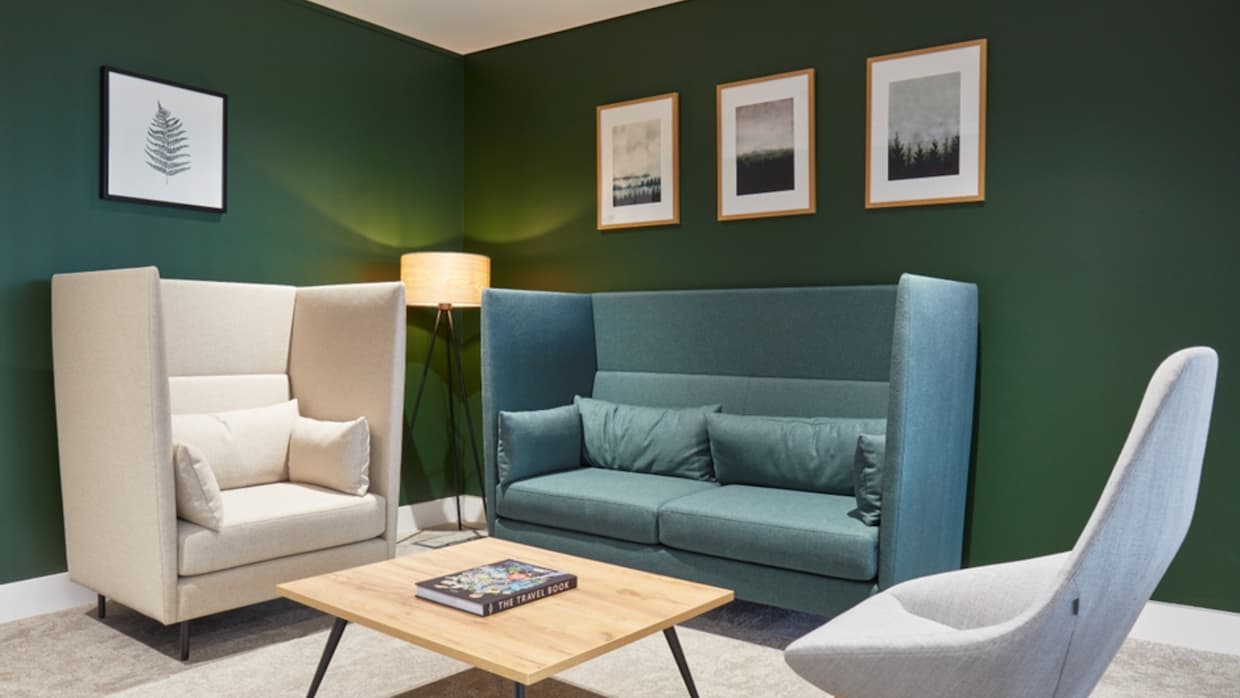
The modern workplace has evolved significantly over the last decade. Flexible working, employee wellbeing, collaboration and sustainability have become key considerations when designing an office environment. Yet despite these changes, one factor remains constant: the impact that office furniture has on employee experience and business performance.
Employees spend a significant proportion of their working lives at their desks, in meeting rooms and within shared workplace environments. Poorly designed workspaces and unsuitable furniture can contribute to discomfort, reduced concentration, musculoskeletal issues and lower productivity. Conversely, designed furniture solutions can improve wellbeing, support different working styles and create environments where people can perform at their best.
As organisations place greater emphasis on attracting and retaining talent, bespoke office furniture has become an increasingly important part of workplace strategy. Rather than selecting standard furniture from a catalogue, businesses are investing in tailored solutions that support their people, reflect their culture and maximise the value of their workspace.
Office furniture is often viewed as the final stage of an office fit-out, but in reality, it should be considered from the earliest stages of workplace design.
Furniture influences how employees interact with their environment, how teams collaborate, how efficiently space is used and how comfortable people feel throughout the working day.
The right furniture can:
When integrated into a wider workplace strategy, furniture becomes a powerful tool for creating healthier, happier and more productive workplaces.
Comfort is often underestimated as a driver of workplace performance. However, research consistently demonstrates that employees who feel comfortable in their work environment are more engaged, focused, and productive.
Many workplace injuries develop gradually through poor posture, inadequate support and repetitive movements. Back pain, neck strain, headaches and musculoskeletal disorders remain among the most common causes of workplace absence in the UK.
Ergonomic furniture helps minimise these issues by supporting natural movement and promoting healthier working habits. Adjustable desks, task chairs and monitor arms allow employees to tailor their workspace to their individual needs, reducing physical strain throughout the day.
By investing in employee comfort, organisations can help reduce absenteeism, improve wellbeing and support long-term workforce health.
Discomfort can be a significant distraction. Employees who are constantly adjusting their chair, experiencing back pain or struggling with an unsuitable workstation are less likely to maintain focus on their work.
When employees are comfortable, they can dedicate more energy to the task at hand rather than managing discomfort. This often leads to improved concentration, higher quality work and greater efficiency.
A thoughtfully designed workplace demonstrates that an organisation values its people. Employees who feel supported by their working environment are more likely to feel engaged, motivated and connected to their employer.
As talent competition continues to grow, creating an exceptional workplace experience can become a valuable differentiator.
Today’s workforce expects more from the office than simply a place to work.
Employees want environments that support wellbeing, encourage social interaction and provide choice throughout the working day. Furniture plays a significant role in shaping these experiences.
Comfortable breakout seating, collaborative furniture, wellness spaces and flexible work settings can all contribute to a stronger sense of belonging and connection. These environments help employees feel valued and supported, which can positively influence morale, engagement and workplace satisfaction.
As businesses continue to encourage employees to return to the office, creating an enjoyable workplace experience is becoming increasingly important. The right furniture can help transform the office into a destination that people actively want to use rather than simply somewhere they are required to be.
Every organisation works differently. Different teams, working styles and business objectives require different workplace solutions.
This is why a one-size-fits-all approach rarely delivers the best results.
Bespoke furniture solutions allow businesses to select furniture that supports the specific needs of their workforce.
Whether this involves ergonomic task seating, height-adjustable desks, acoustic furniture or wellness-focused breakout spaces, tailored solutions help create environments that actively support employee health and wellbeing.
At COEL, we work with leading furniture manufacturers, including Senator Group, Herman Miller, Orangebox, Boss Design, Frovi, and many others, to source furniture that combines ergonomics, quality, and exceptional design.
Our independent approach means we are not tied to a single supplier, enabling us to recommend the most appropriate solution for every project.
The rise of hybrid working has transformed how offices are used.
Today’s workplace must support a range of activities, from focused individual work and virtual meetings to team collaboration and informal interactions. Employees increasingly expect flexibility and choice when deciding where and how they work.
Bespoke furniture helps organisations create a variety of work settings that support these different activities. This may include touchdown workstations, collaborative project tables, acoustic pods, breakout spaces, meeting booths and height-adjustable desks.
By creating environments that support both concentration and collaboration, businesses can provide employees with a more engaging workplace experience while encouraging greater office attendance.
Innovation rarely happens in isolation.
Successful workplaces provide opportunities for spontaneous interactions, knowledge sharing and collaboration between teams.
Furniture plays a vital role in shaping these experiences. Collaborative seating, informal meeting areas, high benches, project tables and acoustic booths can all encourage communication and idea generation.
Meeting pods and acoustic furniture are particularly popular solutions, providing private spaces for discussions without the need for costly structural alterations.
At Crafted office, carefully selected furniture solutions helped create a variety of collaborative settings that support creativity, teamwork and knowledge sharing while reflecting the agency’s strong brand identity.
By creating environments that support collaboration, organisations can encourage creativity, improve communication and strengthen workplace culture.
With commercial property costs continuing to rise, making the most of available space has never been more important.
Bespoke furniture allows organisations to optimise their workplace footprint by designing solutions around their specific requirements.
Examples include:
Effective space planning ensures every square metre works harder, helping organisations accommodate growth without necessarily increasing their footprint.
For AMFRESH, carefully planned furniture layouts helped maximise available floor space while creating dedicated areas for collaboration, training, wellbeing and community use. The result was a highly functional workspace that remained flexible enough to support future growth.
Your workplace is often the physical embodiment of your company culture.
Clients, visitors and employees form opinions about your organisation from the moment they enter your space.
Bespoke furniture allows businesses to incorporate their brand identity through colours, materials, finishes and design details. Whether creating a premium client-facing environment, an innovative technology workspace or a collaborative creative studio, furniture can help bring a company’s story to life.
For AMFRESH UK, branded colour palettes were incorporated throughout collaborative seating, meeting pods, kitchen spaces and desk dividers, creating a consistent visual identity across the workplace.
The result is a workplace that feels authentic, memorable and recognisably yours.
Office furniture should be viewed as a long-term investment rather than a short-term expense.
Whilst budget is naturally an important consideration, focusing solely on upfront cost can often lead to higher long-term expenditure through replacement costs, maintenance requirements and reduced workplace effectiveness.
Quality furniture can contribute to:
When combined with effective workplace design, furniture becomes an investment in both people and business performance.
Workplace expectations continue to evolve, and furniture solutions are evolving alongside them.
Some of the most influential office furniture trends include:
Sit-stand desks continue to grow in popularity as organisations look to support employee wellbeing and encourage movement throughout the day.
As open-plan offices remain prevalent, acoustic furniture provides private spaces for focused work, virtual meetings and confidential conversations.
Flexible furniture allows organisations to adapt their workplace quickly as team sizes, working patterns and business requirements change.
Soft seating, lounge furniture and hospitality-inspired environments are helping workplaces feel more welcoming and comfortable.
Businesses are increasingly wanting furniture made from recycled, recyclable and responsibly sourced materials to support their environmental goals.
Future-focused organisations are prioritising furniture solutions that offer flexibility, adaptability and longevity.
Sustainability is increasingly influencing workplace design decisions.
Many modern furniture manufacturers now offer products containing recycled materials, recyclable components and low-carbon manufacturing processes.
Sustainability forms an important part of our furniture specification process. Wherever possible, we recommend solutions that support our clients’ environmental goals while maintaining exceptional quality and durability.
We also work with clients to explore furniture reuse opportunities, helping to reduce waste, lower project costs and support circular economy principles.
By considering sustainability alongside functionality and aesthetics, organisations can create workplaces that are better for both people and the planet.
Selecting furniture is about far more than choosing desks and chairs.
It requires a deep understanding of workplace strategy, employee needs, space planning, ergonomics, sustainability and brand identity.
At COEL, our furniture specialists work closely with clients to understand how their teams work, what challenges they face and how their workplace can better support future growth.
As part of our wider design, fit-out and furniture services, we ensure every furniture decision contributes to creating a workplace that is functional, flexible and future-ready.
At COEL, we understand that furniture is one of the most influential elements of workplace design. It impacts how people feel, how they work and how effectively a business can utilise its space.
As part of our turnkey workplace services, we help organisations select, source and install furniture solutions that support employee wellbeing, enhance productivity and reflect their brand identity. From ergonomic task seating and adjustable desks to collaboration booths, acoustic pods and bespoke breakout areas, we deliver furniture solutions tailored to the unique needs of every client.
Whether you are relocating, refurbishing or reimagining your workplace, our team can help you create an inspiring space that works for your people today and adapts for the future.
By balancing functionality, wellbeing, sustainability and design, we help businesses create workplaces where employees can thrive, and organisations can grow.
Prefer an AI Summary?