Space planning is one of the most important stages of any office design or fit out project. It shapes how your workplace looks, but more importantly, how it functions day-to-day.
A well-considered space plan helps organisations make better use of their available space, improve workflow and create an environment that supports collaboration, focus and wellbeing.
At its best, space planning brings together people, technology and design to create a workplace that works for your business now and in the future.
Effective office space planning goes far beyond desk layouts. It considers how teams interact, how tasks are carried out and how different environments support different types of work.
When done well, it can:
Every organisation is different. Understanding how your teams operate is key to creating a layout that supports productivity and growth.
Most modern workplaces combine a range of different settings rather than relying on a single layout.
Open-plan environments remain popular, but they are now complemented by a variety of additional spaces that allow employees to choose how and where they work throughout the day.
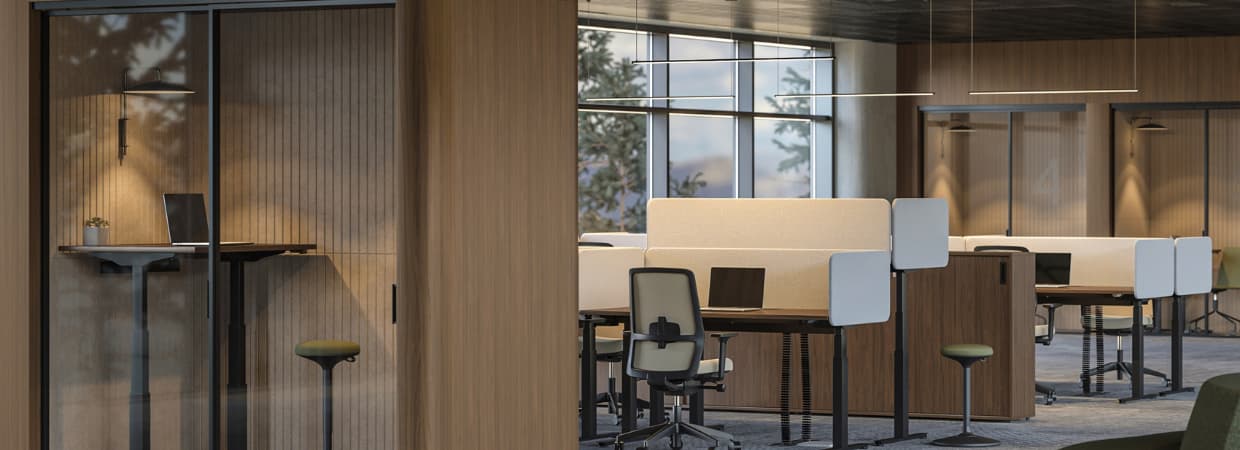
At Oxford Ionics, the workspace was designed to support both collaboration and deep technical focus. Open areas encourage teamwork, while quieter zones allow for concentration when needed.
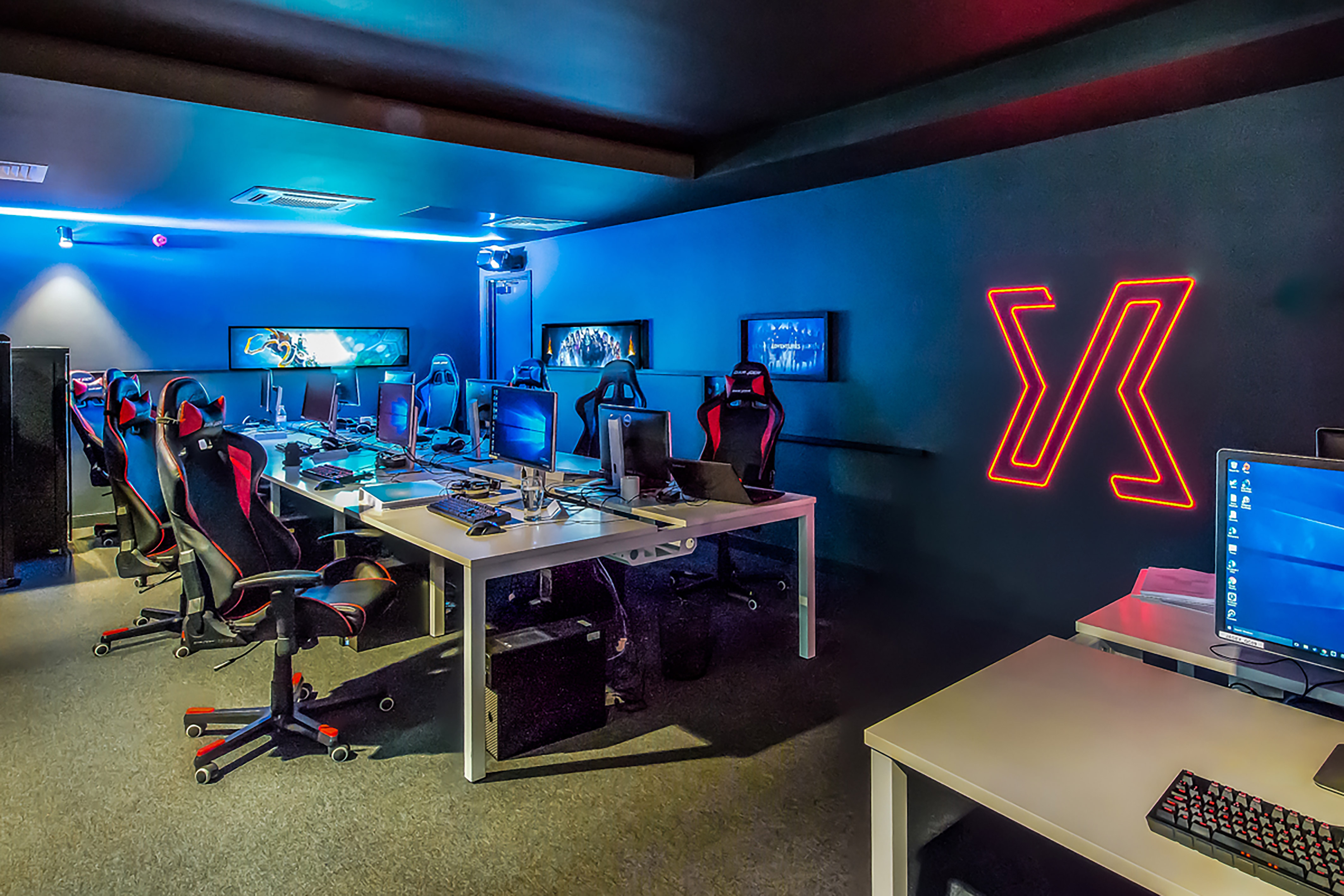
For Jagex, bringing teams together was a key priority. The workspace includes collaborative zones and flexible meeting spaces that encourage interaction between departments.
These examples highlight how space planning must be tailored to the specific needs of each organisation.
A well-planned office is often divided into zones that support different types of work. Rather than a single layout, the workspace becomes a collection of environments designed for specific activities.
Typical zones include:
Zoning helps reduce noise, improve productivity and give employees more choice in how they work.
Open plan working continues to be a core element of many workplaces, but it works best when supported by a mix of additional spaces.
These may include:
Providing choice within the workplace allows employees to move between different environments depending on the task at hand.
Breakout areas have become a key feature of modern office design. These spaces offer employees a place to step away from their desks while remaining connected to the workplace.
When designed well, breakout areas can support:
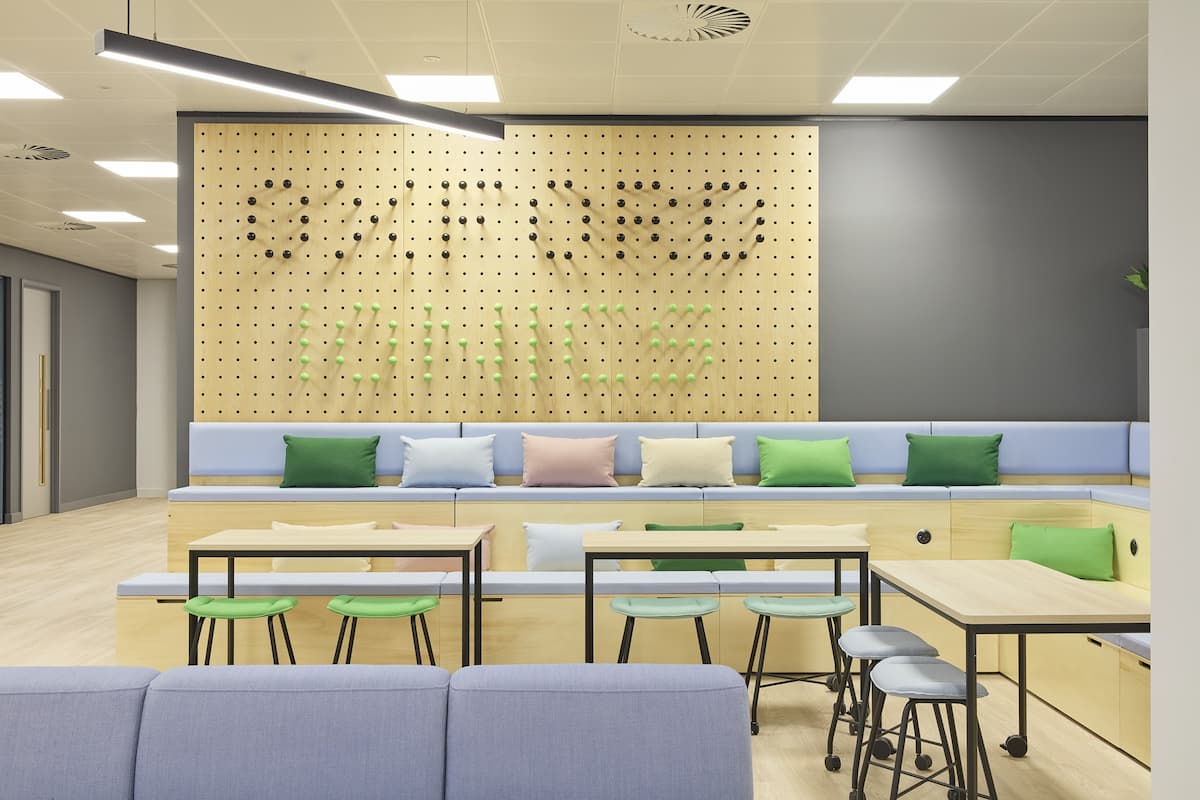
Crafted’s workspace includes a variety of breakout and collaboration areas that support both creativity and connection. These spaces help reinforce the agency’s culture while providing practical environments for teamwork.
Multi-functional spaces like these can often reduce the need for additional meeting rooms while making better use of available space.
Space planning should reflect how teams interact throughout the day.
Departments that collaborate regularly should be positioned closer together, while quieter teams may benefit from more separation.
Understanding these relationships improves efficiency, reduces unnecessary movement and supports better communication across the workplace.
Storage is essential, but it should not dominate valuable office space.
A well-planned workspace will include efficient storage solutions that support day-to-day operations without taking up unnecessary room.
Consider:
At Altium, the workspace was designed to support collaboration while maintaining a clean and uncluttered environment. Efficient storage solutions helped create a more streamlined workplace.
Reception areas play an important role in shaping first impressions.
Depending on your business, this space may range from a formal reception desk to a more relaxed meet-and-greet environment.
The reception at Bidwells creates a welcoming arrival experience while also offering informal meeting spaces for clients, balancing professionalism with flexibility.
Technology plays a central role in modern workplaces. Space planning should consider how equipment and IT infrastructure support the way your teams work.
This may include:
Reviewing your current setup can help reduce space requirements and improve efficiency.
Hybrid working has changed how offices are used. Many organisations no longer require a desk for every employee; instead, they need a variety of flexible work settings.
Space planning should consider:
The office becomes a destination for collaboration rather than simply a place to work.
While every organisation is different, there are common benchmarks that can help guide early planning decisions.
Typical considerations include:
These benchmarks provide a useful starting point, but should always be tailored to your specific business needs.
Furniture plays a key role in how a workspace functions and feels.
Selecting the right office furniture involves more than choosing desks and chairs. It should support comfort, flexibility and the different ways people work throughout the day.
Consider:
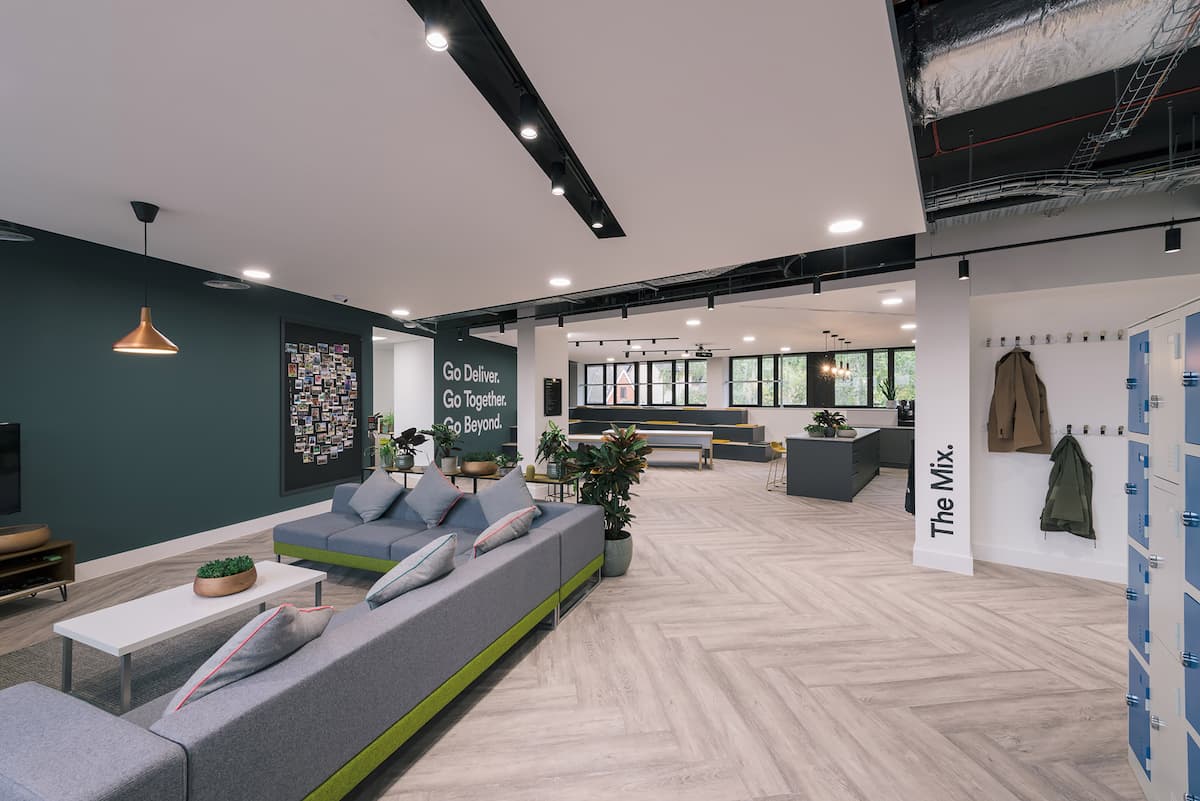
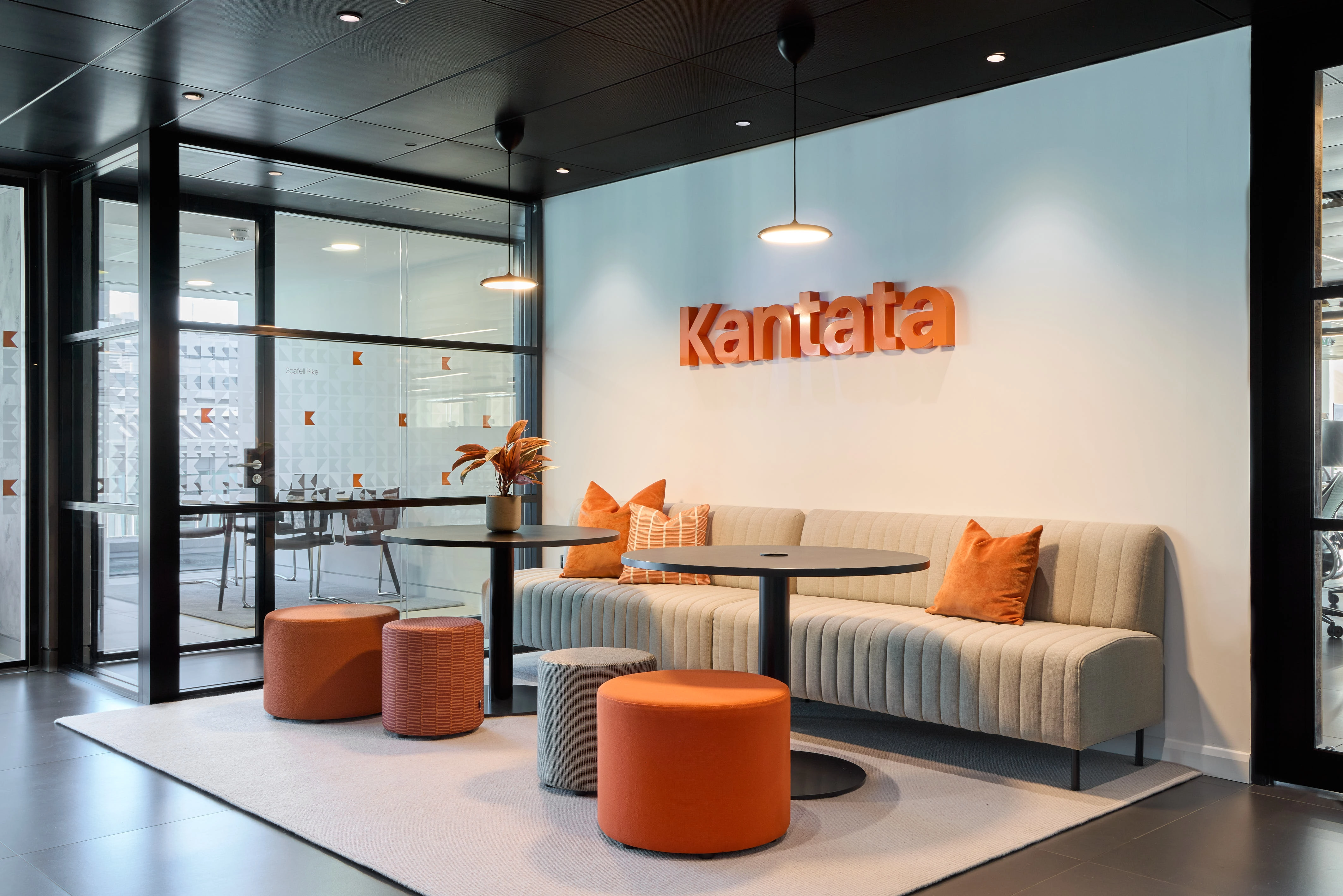
Kantata’s workspace uses flexible furniture solutions that allow employees to move between collaborative and focused environments throughout the day.
Even well-planned projects can fall short without careful consideration.
Common challenges include:
Avoiding these pitfalls helps ensure the workspace remains effective over the long term.
A structured approach helps ensure the final design supports both operational and cultural needs.
A typical process includes:
Office space planning is not just about the present. It should also consider how your organisation may evolve.
Designing a flexible workspace allows you to adapt to changes in team size, working styles and technology without needing a complete redesign.
At COEL, space planning forms the foundation of every project. By understanding how your people work and what your business needs to achieve, we create workplaces that are both efficient and inspiring.
A successful space plan balances functionality, flexibility and design.
By understanding how your teams work, making efficient use of space and incorporating a variety of working environments, your office can become a place that supports productivity, collaboration and wellbeing.
Whether you are relocating or refurbishing your existing space, thoughtful planning ensures your workplace works as hard as your people do.
Prefer an AI Summary?