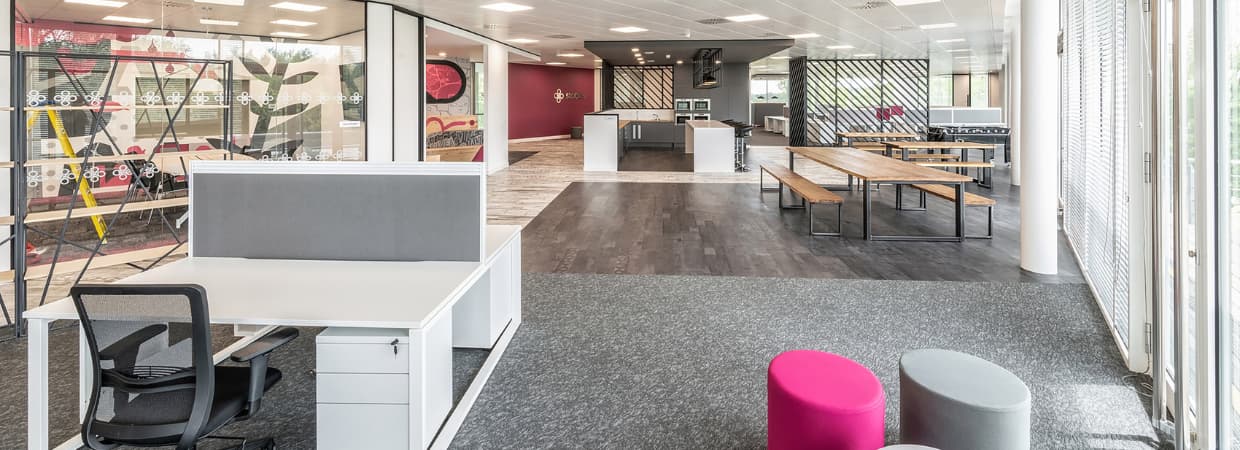
Creating a new workspace is one of the most significant investments a business can make. Whether you’re relocating, expanding, consolidating teams, or refreshing an existing office, understanding office fit-out costs is essential for making informed decisions and achieving the best return on investment.
While cost is always an important consideration, focusing solely on the lowest price can often lead to compromises that affect employee experience, operational efficiency and long-term business performance. The most successful office fit-outs balance budget, functionality, flexibility and future growth.
At COEL, we have delivered office fit-out projects ranging from agile workplaces for growing businesses to complex headquarters, innovation hubs and specialist environments. Through decades of experience, we understand where budgets are spent, where value can be added and how organisations can maximise their investment.
An office fit-out transforms a commercial space into a workplace tailored to its occupants’ needs.
This can involve anything from preparing an empty building for occupation through to creating a fully branded, technology-enabled environment complete with meeting spaces, collaboration areas, wellbeing facilities and bespoke furniture.
Most office fit-outs fall into three broad categories:
A Cat A fit out creates a functional blank canvas for future occupiers. This typically includes:
Cat A spaces are commonly delivered by landlords looking to attract new tenants.
Increasingly popular in today’s market, Cat A+ provides a move-in-ready solution that bridges the gap between Cat A and Cat B.
This may include:
Projects such as 8200 Cambridge Research Park and 316 Cambridge Science Park demonstrate how high-quality Cat A+ environments can attract life science and technology occupiers quickly while reducing initial investment requirements for tenants.
A Cat B fit-out creates a fully operational workplace tailored to the occupier’s culture, brand, and ways of working.
This typically includes:
Examples include Bidwells HQ, Crafted, Jagex, Mishcon de Reya and Altium, where every aspect of the environment was designed around employee experience and business objectives.
Shell and Core spaces provide the greatest flexibility but require the most investment. These buildings are often delivered with minimal internal infrastructure, allowing occupiers complete control over design and functionality.
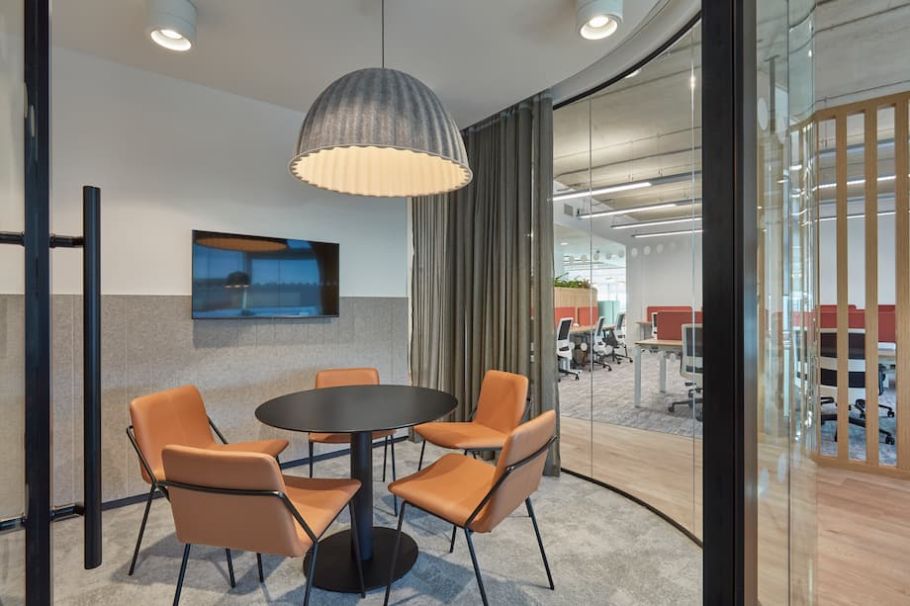
Understanding where budgets are allocated helps businesses make better decisions throughout the project.
Successful projects begin with understanding how people work.
Investment at this stage often includes:
Projects such as Bidwells HQ and TSA Riley demonstrate how early planning creates workplaces that support agile working, collaboration and future growth while avoiding costly redesigns later.
Construction costs typically represent a significant proportion of the overall budget and may include:
For projects like Crafted and Jagex, these construction elements were critical in bringing unique workplace concepts and brand experiences to life.
M&E systems are often among the largest cost components and can vary significantly depending on building conditions and project requirements.
These may include:
In specialist environments such as Oxford Ionics, MicrosensDx and Sphere Bio, M&E requirements represented a substantial part of the project investment due to the complexity of laboratory and research facilities.
Furniture influences comfort, productivity and workplace flexibility.
Typical investments include:
Projects such as Research Institute, Knowles Logistics and AMFRESH demonstrate how carefully selected furniture can transform both functionality and employee experience.
Modern workplaces rely heavily on technology integration.
Costs may include:
For projects such as the NHS Digital Health Training Centre, technology became a defining feature of the workspace itself.
Every office fit-out must comply with relevant regulations and standards.
This can include:
Investing in compliance from the outset avoids delays, unexpected costs and future liabilities.
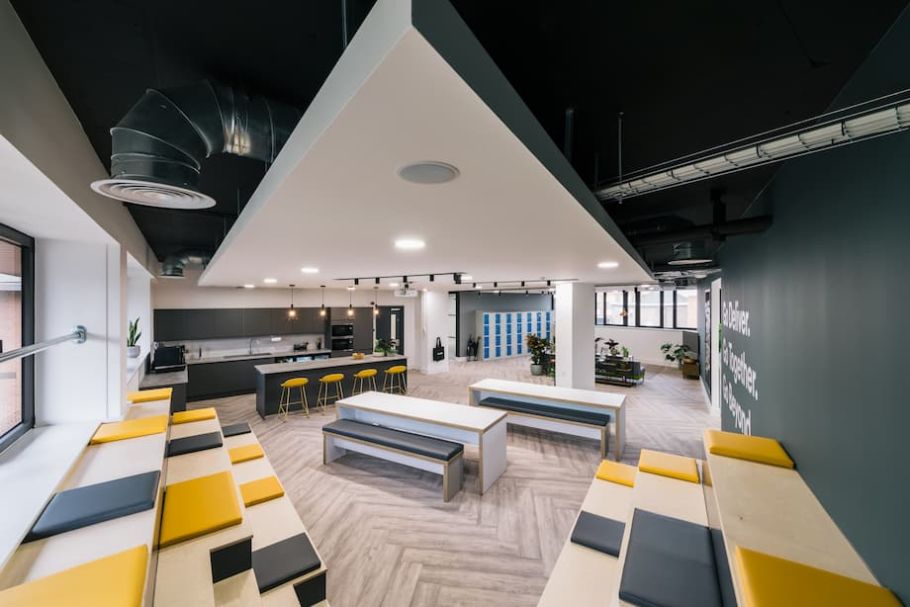
One of the most common questions businesses ask is how much an office fit-out costs per square foot. While this can provide a useful starting point for budgeting, it rarely tells the full story.
Two offices of the same size can have significantly different budgets depending on factors such as:
For example, a straightforward office refurbishment may require relatively few upgrades. In contrast, a workplace featuring specialist meeting spaces, acoustic solutions, collaboration hubs and advanced technology infrastructure will involve a very different level of investment.
At COEL, we focus on understanding the project’s objectives before discussing budgets in detail, ensuring investment is aligned with business outcomes rather than simply with square footage.
No two office fit-outs are identical. Several factors influence the overall investment required.
The condition of the existing building often has the greatest impact on costs.
Older buildings may require:
Projects such as TSA Riley and 316 Cambridge Science Park required significant upgrades to modernise existing spaces while improving energy performance.
Larger projects naturally involve greater overall expenditure.
However, cost per square foot often decreases as project size increases due to efficiencies in procurement, mobilisation and delivery.
A 2,500 sq ft office and a 25,000 sq ft headquarters will have very different cost profiles despite sharing many similar elements.
Highly branded environments typically require greater investment.
Examples include:
Projects such as Stobbs, Crafted and Jagex demonstrate how distinctive workplace design can become a powerful extension of company identity.
Many organisations are increasingly prioritising sustainability.
This may include:
While some initiatives involve additional upfront investment, they often deliver significant long-term operational savings.
Project timescales can directly affect costs.
Accelerated programmes may require:
Engaging early with a fit-out partner allows programmes to be planned efficiently and cost-effectively.
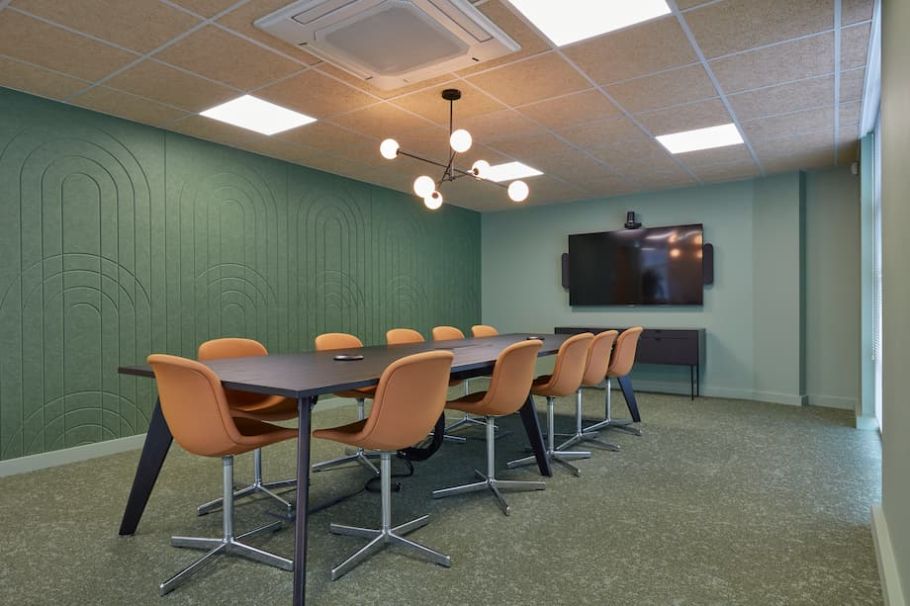
One of the most valuable ways to control budgets is understanding where projects typically go wrong.
Late changes remain one of the most significant causes of budget increases.
When layouts, furniture selections, technology requirements or finishes change during construction, the impact can include:
Investing time in defining requirements during the planning phase significantly reduces these risks.
Many businesses focus on visible finishes while overlooking mechanical and electrical infrastructure.
Air conditioning upgrades, power requirements, ventilation changes and data infrastructure can quickly become major budget items if not identified early through surveys and technical design reviews.
This is particularly relevant in laboratory conversions, office-to-lab projects and older commercial buildings.
Separating design, construction, furniture and technology across multiple suppliers can appear cost-effective initially, but often creates:
An integrated approach enables better coordination, clearer accountability and greater budget control.
A workspace designed only for today’s requirements can quickly become obsolete.
Businesses frequently incur unnecessary costs when they need to reconfigure layouts, add meeting rooms or accommodate additional staff shortly after project completion.
Future-proofing workplace design from the outset provides better long-term value.
Many organisations overestimate the amount of desk space they need while underestimating requirements for collaboration, social interaction and focused work.
Understanding utilisation patterns before commencing a project helps avoid investing in space that delivers little value.
One of the most effective ways to manage office fit-out costs is involving workplace specialists early in the process.
Early engagement allows project teams to:
At COEL, our integrated Plan, Design, Build and Furnish approach enables cost planning to happen alongside workplace strategy and design development. This allows clients to make informed decisions at every stage of the project rather than reacting to unexpected costs later in the programme.
It is also why many clients choose to work with a single delivery partner. Having workplace consultants, designers, estimators, project managers, furniture specialists, and technical experts working together from the outset creates greater certainty regarding programme, scope, and budget.
Successful budgeting begins with understanding business objectives rather than focusing solely on square footage.
Questions worth considering include:
Once these objectives are clear, realistic budgets can be established and aligned with project priorities.
Maintaining a contingency allowance is equally important, particularly when working within existing buildings where hidden conditions may only emerge during construction.
The most successful office fit-outs are rarely judged solely on what they cost to deliver. Instead, they are measured by the value they create over time.
A well-designed workplace can contribute to:
For many organisations, workplace investment has become a strategic business decision rather than simply a property expense.
Projects such as Bidwells HQ, Mishcon de Reya and TSA Riley demonstrate how investment in workplace quality can support talent attraction, reinforce company culture, strengthen brand perception and provide a platform for future growth.
When viewed through this lens, return on investment extends far beyond the initial fit-out budget.
The cheapest fit-out rarely delivers the best outcome.
The most successful projects create value through:
Businesses are increasingly recognising that workplace performance and business performance are closely linked. The environments where people work can directly influence engagement, innovation, collaboration and organisational success.
At COEL, we understand that commercial office fit out costs are about much more than budgets and square footage. They are about creating environments that support people, strengthen brands and enable organisations to achieve their goals.
Our integrated approach combines workplace consultancy, planning, design, build, furniture, and ongoing support within a single team. This enables greater cost certainty, improved collaboration and a smoother project experience from concept through to completion.
Whether you’re creating a new headquarters, refurbishing an existing office, delivering a Cat A+ workspace or planning for future growth, our team works closely with you to ensure every investment delivers measurable value, both today and long into the future.
By aligning workplace strategy, design quality and budget control from the outset, we help organisations create inspiring workplaces that perform as effectively as the people who use them.
Prefer an AI Summary?