We’re delighted to share that COEL has officially commenced refurbishment works on the Darwin Building at Chesterford Research Park, one of the UK’s most prestigious life science centres located near our hometown of Cambridge.
This landmark project represents a significant investment in the future of scientific innovation. Originally constructed in 2004 as a Grade A laboratory and office facility, the Darwin Building was most recently occupied by AstraZeneca and has played a pivotal role in supporting cutting-edge research. Now, our team is leading a full-scale refurbishment to modernise the building’s infrastructure, enhance sustainability, and create a flexible, future-proof environment for new occupiers.
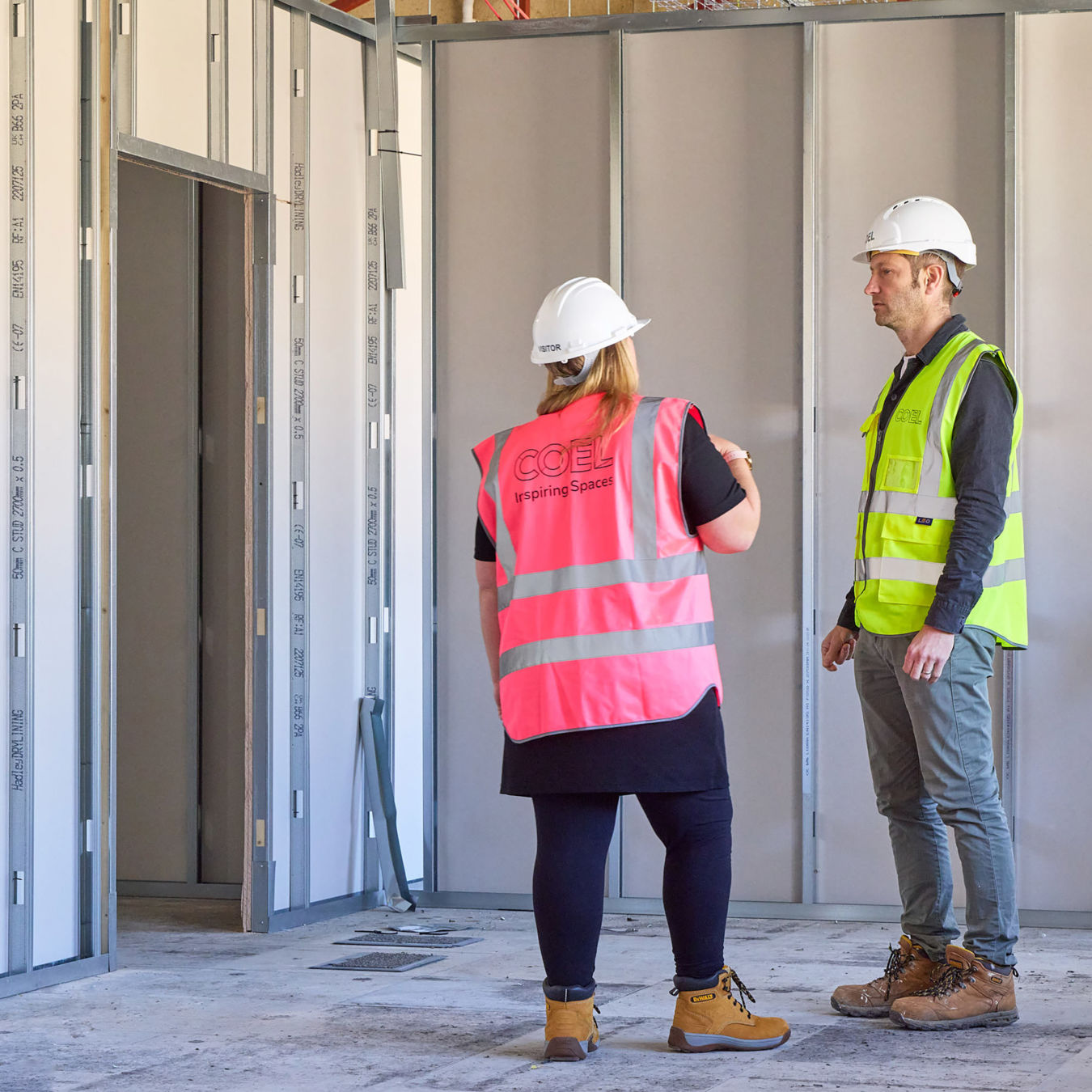
The two-storey building spans approximately 33,000 sq ft, with a 60/40 split between laboratory and office/write-up space. Our transformation of this iconic space will include:

“We are incredibly proud to contribute to the transformation of the Darwin Building; an initiative that reflects our commitment to delivering high-quality, cost-effective spaces that empower scientific progress. A project of this scale is never without its challenges, but we have already built a great working relationship with the client team, and we are excited to work together to realise the client’s innovative vision for this iconic space.”
Hugh Daniels, Commercial Director, COEL
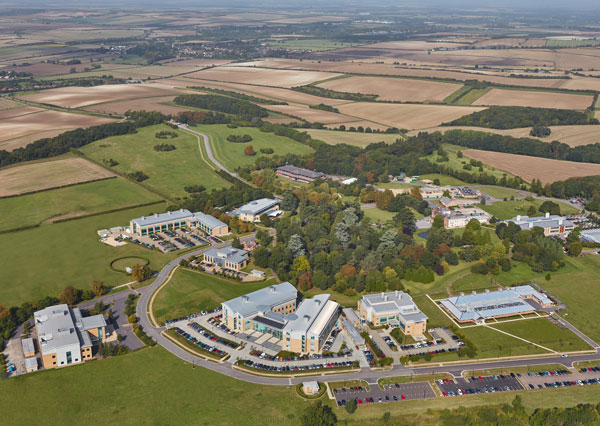
Set within 250 acres of landscaped parkland, Chesterford Research Park has evolved from its origins as a crop protection research station in 1956 into a thriving hub for biotechnology, pharmaceutical, and R&D companies. It is a cornerstone of the Cambridge biotech cluster, offering state-of-the-art facilities and a collaborative ecosystem where science meets sustainability.
The Park is currently undergoing a major expansion, including the recently completed Sidney Sussex Building, a 56,000 sq ft multi-occupancy life sciences facility designed to meet growing demand for lab space in the region. This development further reinforces Chesterford Research Park’s reputation as a premier destination for life science innovation.
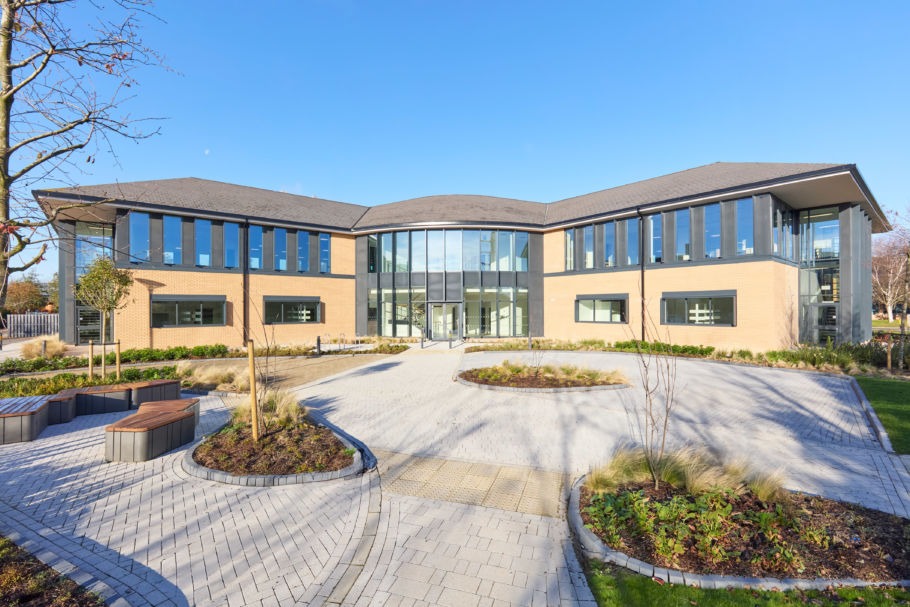
The Darwin Building serves to strengthen COEL’s position as a leading provider of hybrid office-laboratory workspaces, supporting science and technology businesses across the UK’s Oxford to Cambridge Supercluster.
In recent years, our team has built a reputation for delivering state-of-the-art environments that meet the technical demands of cutting-edge research while also nurturing the human experience of work. From the vibrant, biophilic labs and collaborative spaces at Sphere Bio in Granta Park, to the scalable, future-ready headquarters for Oxford Ionics at Oxford Technology Park, and the sustainable retrofit of 316 Cambridge Science Park, our portfolio reflects a deep understanding of what today’s science and tech companies need to thrive.]
These projects demonstrate our ability to balance precision and performance with wellbeing, flexibility, and sustainability, to create spaces that attract talent, support innovation, and enable growth.
COEL’s CEO, Alistair Rumbelow added: “As we embark on the transformation of the Darwin Building, we bring our extensive experience supporting leading organisations with bespoke office and laboratory environments; from agile workspaces to complex research facilities.
Our work is guided by a deep understanding of the evolving needs of the life sciences sector, and a belief that the built environment plays a critical role in enabling innovation. By combining technical excellence with sustainable design, we help our clients create spaces that not only meet today’s demands but anticipate tomorrow’s possibilities.

We are humbled to be able to help Chesterford Research Park continue its legacy as a catalyst for life-changing research. And we’re proud to play our small part of a movement that’s redefining the future of work in science and technology, in the Cambridge cluster and beyond.”
Contact us to find out more about this project, or to speak to one of our team about a similar project
Prefer an AI Summary?
