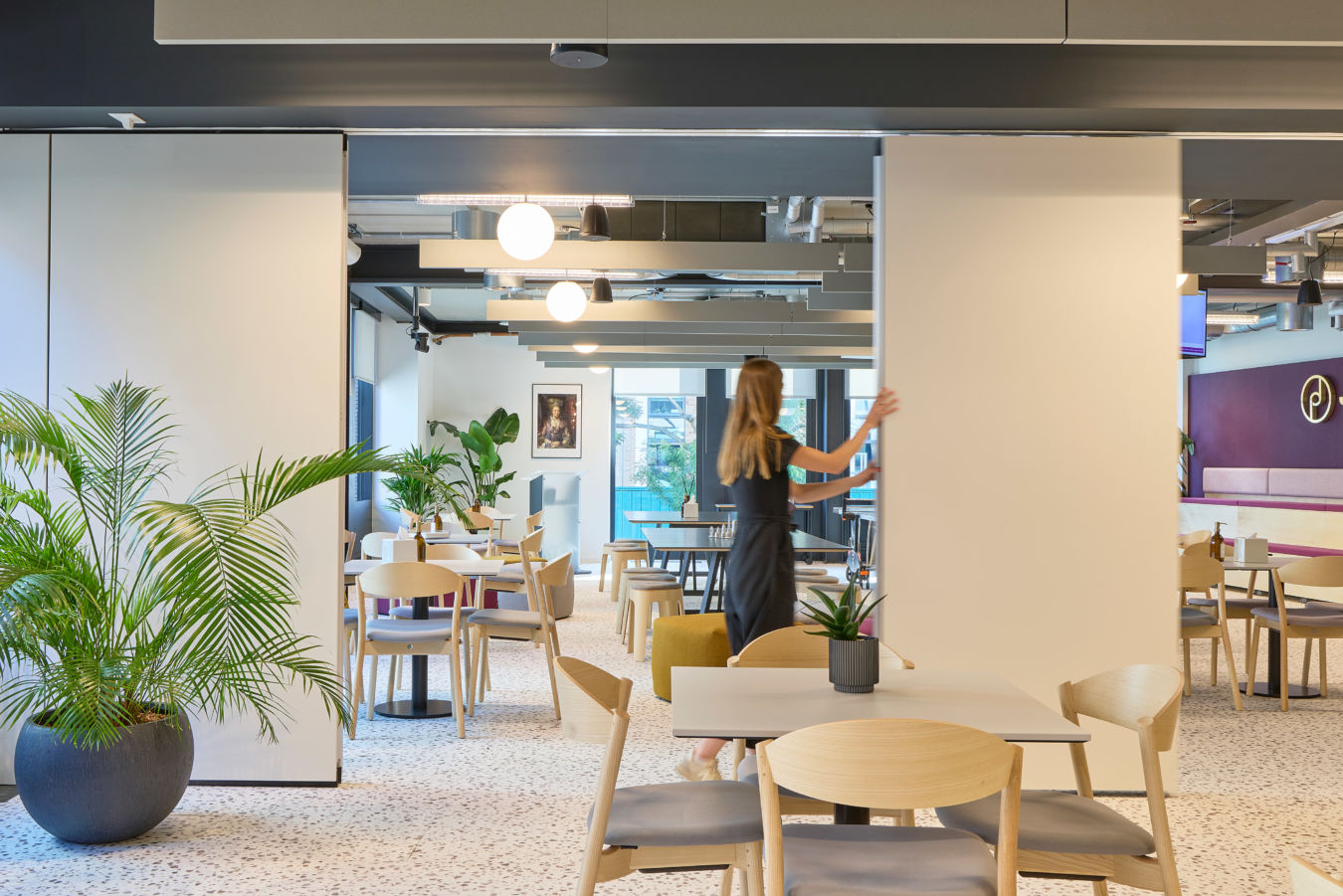
A practical guide to BREEAM, SKA, NABERS and WELL for UK landlords and occupiers. Learn what each standard means for design-led fit out and refurbishment, with project examples.
Sustainability is now part of everyday decision-making in commercial property. Landlords are under pressure to protect asset value and stay ahead of tightening energy and compliance requirements. Occupiers are expected to demonstrate environmental responsibility, while also providing workplaces that support wellbeing, productivity and retention.
That is where sustainability certifications can help. Used well, they are frameworks that shape better design choices, clearer evidence and more robust delivery. Used poorly, they become a late-stage paperwork exercise that adds cost without improving outcomes.
This guide explains the main sustainability and wellbeing standards seen in UK workplace projects [BREEAM, SKA Rating, NABERS UK and the WELL Building Standard] and how COEL applies the relevant principles through design-led fit out, refurbishment and ongoing building care.
Most workplaces are delivered within existing buildings rather than new developments. Industry data suggests that around 80% of the buildings that will exist in 2050 are already standing today, which fundamentally shifts the sustainability conversation away from new build and towards retrofit.
In practice, this means making informed decisions about what already exists; from building services and lighting through to comfort, flexibility and the extent to which elements can be retained, upgraded or adapted rather than replaced.
This is being reinforced by regulation and market pressure. A large proportion of UK office stock was built before modern energy standards, and with tightening EPC requirements, a significant share risks becoming unlettable without intervention. As a result, refurbishment is no longer simply a design choice. In many cases, it is the only realistic route to meeting energy performance criteria and protecting long-term asset value.
Within this context, sustainability certifications play a critical role. When implemented well, they provide a structured framework for navigating complex refurbishment decisions. They help project teams prioritise interventions, manage trade-offs and demonstrate measurable outcomes across areas such as materials, waste, energy performance and occupant comfort.
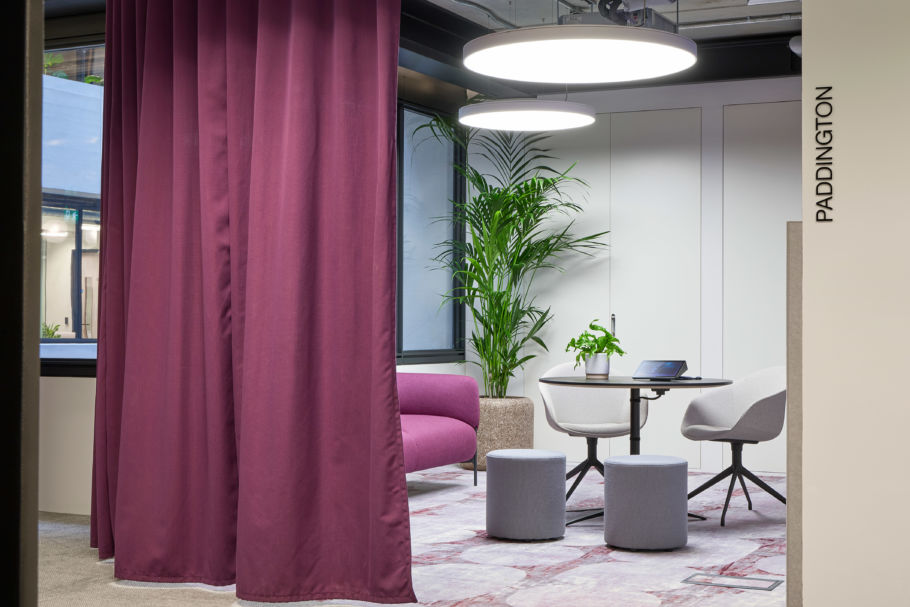

BREEAM remains the most widely recognised sustainability framework in the UK built environment. It is used across new build and existing assets, including refurbishment and fit out schemes. For landlords, it is often linked to investment criteria, leasing conversations and ESG reporting because it provides independent, third-party assurance, to maintain the integrity and functionality of their buildings.
In all projects, BREEAM influences design decisions early: the energy strategy and metering approach, material and product selection, waste planning, and the evidence trail needed through design and construction, as well as the overall user experience of the space.
PROJECT FOCUS
Jazz Pharmaceuticals, Central London: fit out within a LEED Gold and BREEAM Excellent building
For Jazz Pharmaceuticals’ London headquarters, COEL delivered a sustainable office fit out within a net‑zero carbon, all‑electric building that holds both LEED Gold and BREEAM Excellent certifications. The project demonstrates how sustainability credentials can be translated into tangible design decisions, including the use of responsibly sourced materials such as FSC‑certified timber, low‑emission finishes, and furniture with independently verified environmental performance, rather than relying on certification as a headline alone.

NABERS UK is increasingly referenced in landlord conversations because it focuses on how buildings actually perform once occupied. That has a simple implication for design and refurbishment: metering strategy, controls and commissioning matter, and long-term building care is part of the sustainability story.
This direction of travel is being reinforced by the emerging UK Net Zero Carbon Buildings Standard, which is placing greater emphasis on in-use performance and verified outcomes rather than predicted design figures alone. Together, they reflect a broader shift in the market, which is closing the gap between what buildings are designed to do and how they actually operate.
In practice, NABERS‑aligned thinking places greater emphasis on commissioning, controls, metering and ongoing building management. Without clarity at this stage, performance gaps can quickly emerge once a building is occupied, regardless of design intent. This has practical implications for project teams, where early decisions around services strategy and controls can directly influence a building’s ability to meet future in-use performance targets.
The SKA Rating is tailored to office fit outs and concentrates on decisions occupiers and fit out teams can directly influence, including reuse, waste reduction, responsible finishes and practical measures to limit environmental impact.
Where appropriate, COEL applies SKA‑aligned principles to guide these decisions, even when a project is not targeting formal certification including;
PROJECT FOCUS
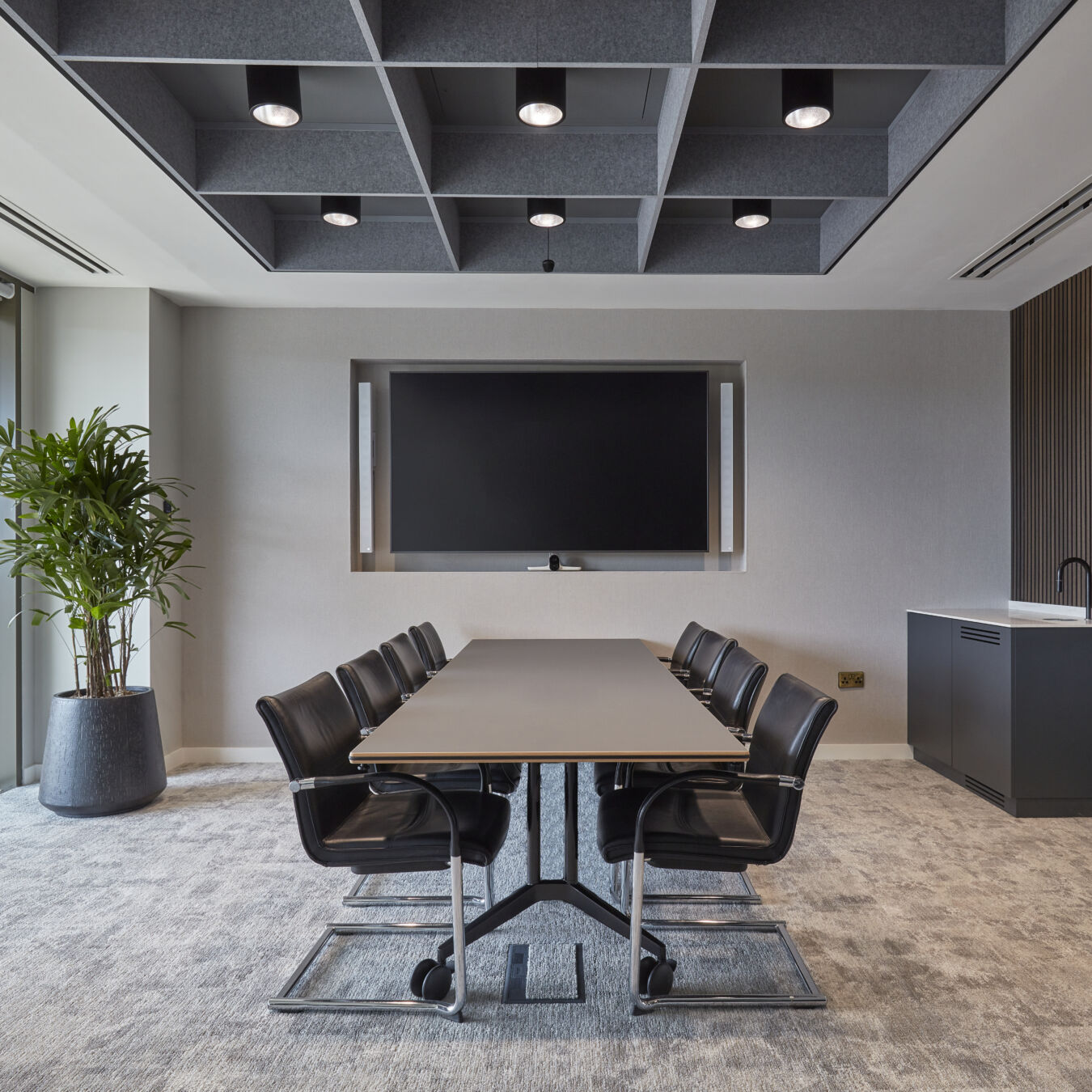
Kantata, London HQ: reuse-led fit out decisions
Kantata’s London office provides an example of how SKA‑aligned principles can be applied in practice without pursuing formal certification. The project adopts a reuse‑led approach to furniture and finishes to minimise waste. The scheme prioritised reuse of existing resources alongside adaptable, agile working settings and the inclusion of a dedicated wellness room, supporting evolving patterns of use without formal certification.

The WELL Building Standard is a performance‑based framework that focuses on how buildings and interior environments affect the health, comfort and wellbeing of the people who use them. It is structured around key principles including air quality, light, thermal and acoustic comfort, opportunities for movement, mental wellbeing and a sense of community within the workplace.
Many occupiers choose to apply these principles without pursuing formal WELL certification, particularly on refurbishment and fit out projects where the priority is achieving meaningful user outcomes rather than securing an additional accreditation.
Katie Oldknow, Associate Director and Head of Design at COEL comments:
Rather than concentrating on fabric or environmental metrics alone, WELL looks at the everyday, human experience of a space. In fit out and refurbishment projects, good sustainable design comes from considered choices that provide flexibility, improve comfort and ensure longevity.
PROJECT FOCUS
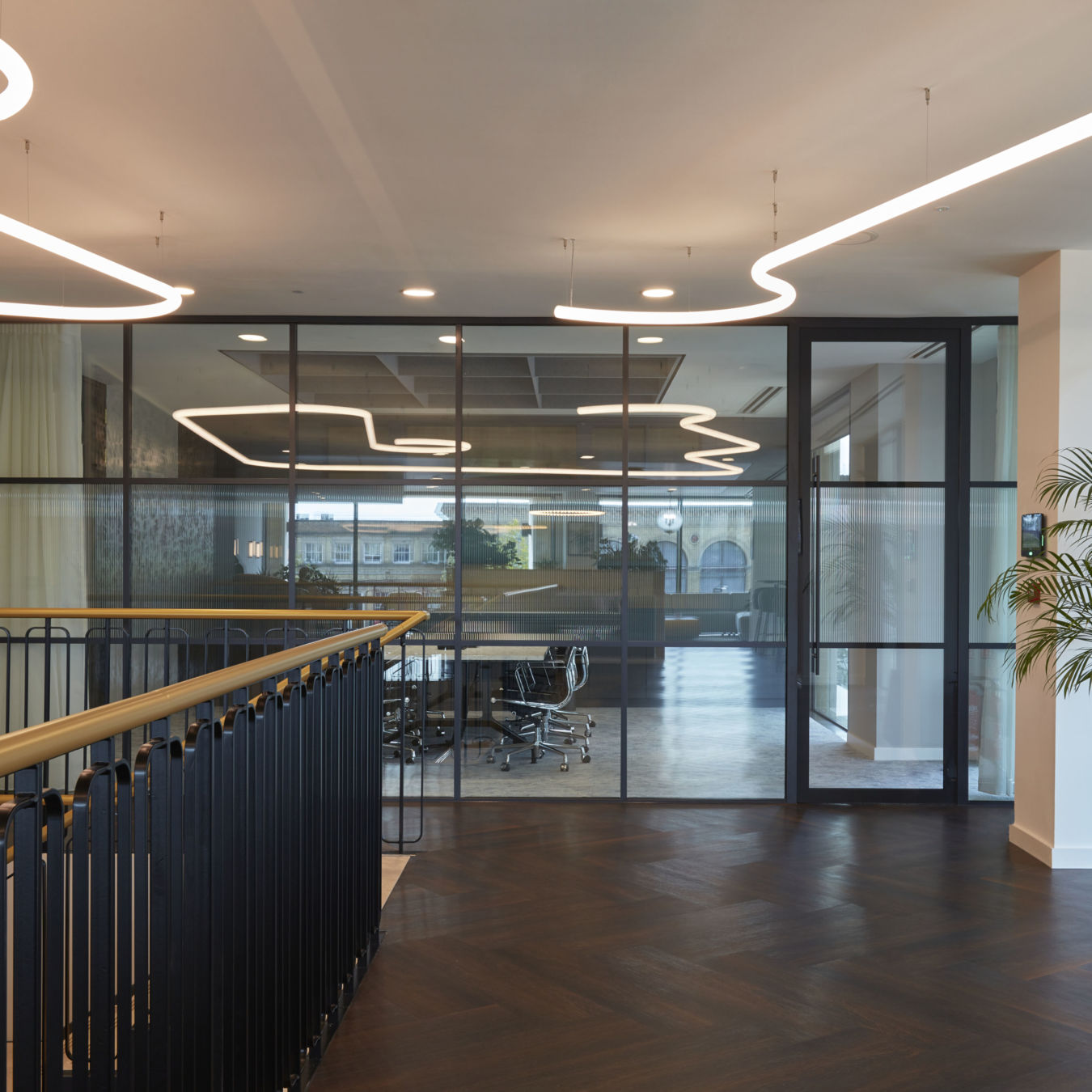
Mishcon de Reya, Cambridge:
The Mishcon de Reya Cambridge office demonstrates how wellbeing principles commonly associated with the WELL Building Standard can be embedded through design. The fit out was structured around clearly defined staff and client areas, supporting privacy and discretion while delivering a high‑quality client experience. Highly adaptable spaces were planned to accommodate hybrid working and a wide range of working styles, allowing the workplace to flex over time as patterns of use evolve.
Biophilic design elements and the inclusion of a dedicated wellness room further support comfort, health and day‑to‑day usability, illustrating how a wellbeing‑led approach can be achieved through thoughtful spatial planning and design decisions rather than reliance on certification alone.
Across fit out, refurbishment and ongoing building support, COEL’s approach focuses on decisions that can be evidenced, maintained and substantiated over time, rather than relying on headline claims.

Typical examples include:
This is supported by COEL’s ISO accreditations, including ISO 14001 for environmental management, which provide a framework for consistent delivery and continual improvement.
Quick comparison table: which standard is best for what?
| Standard | Primary focus | Best suited to |
| BREEAM | Whole-building sustainability (including refurbishment and fit out) | Landlords; larger refurbishments; asset strategy |
| SKA Rating | Fit out sustainability decisions (reuse, waste, materials) | Occupiers; CAT B fit outs |
| NABERS UK | Operational energy performance in use | Landlords; performance-led upgrades |
| WELL | Health, comfort and wellbeing outcomes | Occupiers; hybrid workplaces; talent strategy |
Not always. Many projects benefit from applying the principles without pursuing formal certification. The best starting point is to agree the outcomes you want to evidence, and for whom.
Yes, as long as the language is clear. “Aligned with WELL principles” or “SKA-aligned fit out decisions” describes an approach. “Certified” should only be used where a formal certification process has been completed.
No. BREEAM includes schemes relevant to refurbishment and fit out, which is why it remains central to UK retrofit and workplace projects.
It shifts attention to operational reality: metering, controls, commissioning and maintainability. A building that cannot be run efficiently will not perform well, whatever the design intent.
They provide assurance that COEL operates with structured management systems for quality, environment and health and safety, supporting consistent delivery across projects.