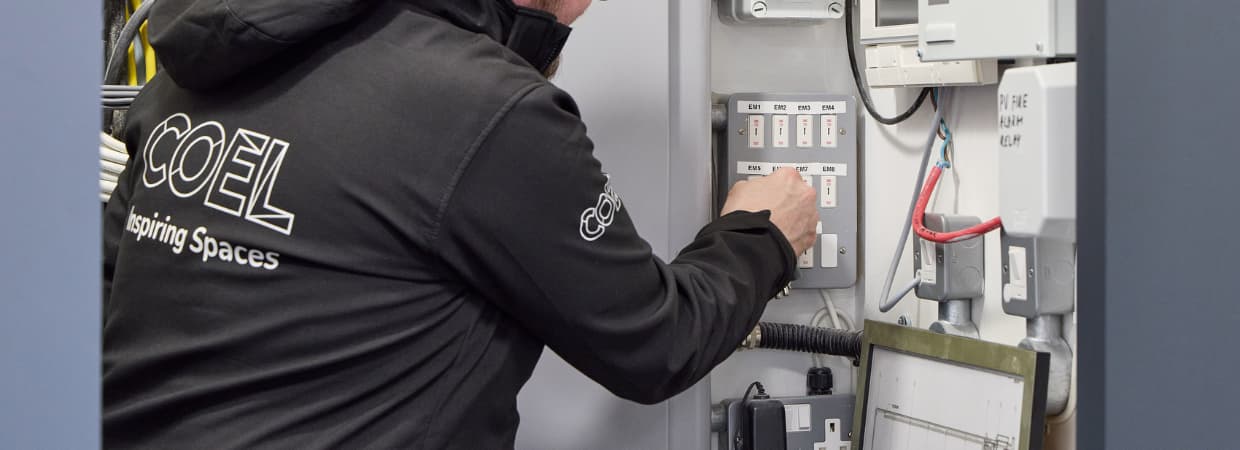
Electrical safety has become a central consideration for commercial landlords across the UK. As buildings age, uses evolve, and regulatory expectations increase, the responsibility to maintain safe electrical systems is no longer a background task. Heading into 2026, statutory electrical obligations are playing a more visible role in compliance strategies, insurance discussions and tenant relationships.
For landlords, understanding these obligations is not only about meeting legal requirements. It is also about protecting asset value, reducing risk and creating workplaces that support long-term occupancy. This outlines the current statutory position, best-practice expectations, and how electrical compliance fits into a broader property management approach.
Commercial property compliance has shifted significantly in recent years. Electrical safety is now viewed through a wider risk management lens, alongside fire safety, building condition and environmental performance.
Greater scrutiny from insurers, more structured enforcement by local authorities, and higher expectations from tenants have all contributed to this change. Electrical systems are expected to be demonstrably safe, professionally maintained and supported by clear documentation. Informal or reactive approaches are increasingly difficult to justify.
For landlords managing multiple sites or mixed-use portfolios, this change highlights the need for consistency, clarity and forward planning.
Commercial landlords have a legal duty to ensure that electrical installations within their control are safe and maintained in good working order. This responsibility applies regardless of building age or tenancy structure.
Duties include:
These duties arise from established health and safety legislation and are supported by recognised industry standards. While tenants may be responsible for equipment they bring into a space, the underlying electrical infrastructure remains the landlord’s obligation in most cases.
The Electrical Installation Condition Report, commonly known as an EICR, is the primary method for demonstrating electrical safety compliance in commercial buildings.
An EICR assesses the condition of fixed electrical installations and identifies any defects that could present a risk. While legislation does not prescribe a single inspection frequency for all commercial buildings, industry guidance typically recommends inspections every five years, or sooner, depending on building use and condition.
Additional inspections are expected following:
Competent professionals with appropriate experience in commercial environments should always carry out inspections.
An EICR will result in either a satisfactory or unsatisfactory outcome. An unsatisfactory report indicates that remedial action is required to address safety concerns.
Observations are categorised by severity:
Landlords are expected to act on these findings within appropriate timescales, prioritising safety while maintaining clear records of all remedial works and follow-up inspections. Retaining this documentation is essential for audits, insurance enquiries and future property transactions.
Lease structure plays a significant role in how electrical responsibilities are managed, but it does not remove the landlord’s underlying duty of care.
In full-repairing and insuring leases, tenants may be responsible for internal maintenance, while landlords typically retain responsibility for base-building systems and incoming electrical supplies. In multi-let buildings, landlords often manage electrical safety within shared spaces and coordinate compliance across occupiers.
Clear communication and accurate lease documentation help prevent uncertainty and reduce the risk of compliance gaps.
Refurbishment projects and space reconfigurations introduce additional electrical risk. Changes to layout, occupancy levels or equipment loads can place new demands on existing systems.
A review of electrical safety is expected when:
Integrating electrical compliance checks into refurbishment planning helps prevent disruption and ensures that new spaces are safe, compliant and fit for purpose from day one.
Electrical safety is increasingly important in commercial property insurance. Insurers increasingly expect evidence of regular inspections, timely remedial action and structured maintenance.
Inadequate documentation or unresolved defects can affect policy terms and, in some cases, invalidate claims following an electrical incident. Proactive compliance, supported by clear records, helps demonstrate responsible asset management and can contribute to more favourable insurance outcomes.
Maintaining accurate electrical safety records is as important as carrying out inspections. Landlords should retain:
For portfolio landlords, centralised record management simplifies compliance oversight and supports consistent standards across sites.
Electrical safety is most effective when integrated into a planned preventative maintenance approach. Rather than responding to failures, landlords can use inspection data to plan upgrades, manage risk and spread costs over time.
Using EICR findings as part of wider maintenance planning allows landlords to:
This approach supports both compliance and long term property performance.
Electrical safety directly influences tenant confidence. Well-maintained systems, supported by clear compliance records, contribute to safer and more reliable workplaces.
For landlords, this can:
Compliance becomes a visible part of the overall occupier experience rather than an unseen technical requirement.
Managing statutory electrical obligations requires more than periodic testing. It benefits from a structured partnership that understands commercial environments and evolving compliance expectations.
By combining electrical inspections, remedial works and ongoing maintenance, landlords gain clarity, continuity and confidence in their compliance position. A proactive approach also reduces administrative burden and supports informed decision-making.
Meeting statutory electrical obligations is not a one-off exercise. It requires consistent oversight, informed decision-making and a clear understanding of how electrical safety fits into the broader management of a commercial building.
COEL supports commercial landlords with a structured approach to electrical compliance, combining professional Electrical Installation Condition Reports with practical guidance and ongoing maintenance support. Our Commercial EICR Testing service provides clear, actionable insight into the condition of fixed electrical installations, helping landlords meet legal duties while planning confidently for the future.
By working with a partner that understands commercial environments, landlords can move beyond reactive compliance and towards a more resilient, well-managed property portfolio. Whether you are reviewing your current inspection programme, responding to an unsatisfactory report or planning for 2026, a proactive approach to electrical safety protects people, buildings and long-term value.
Prefer an AI Summary?