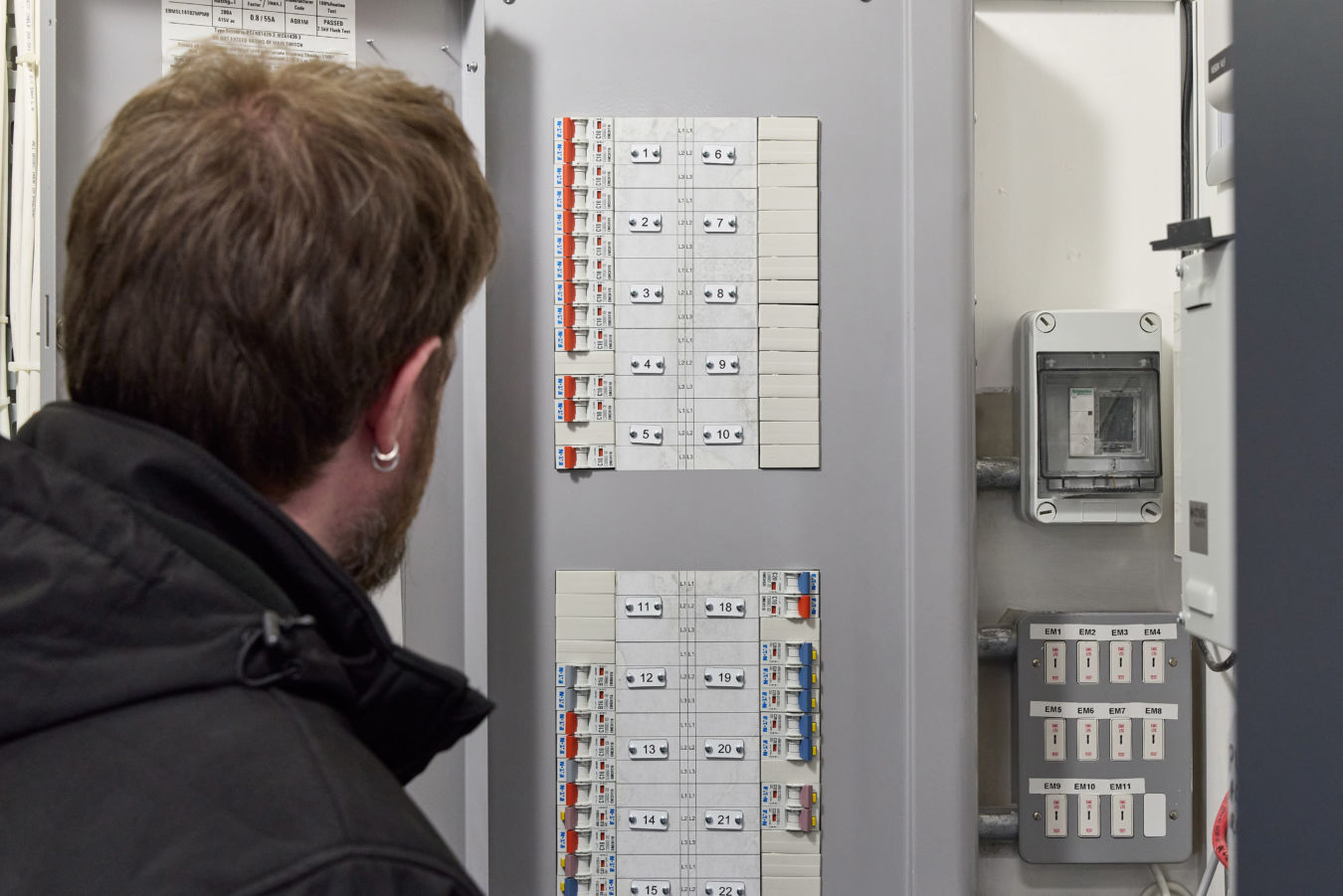
Electrical safety is a shared responsibility in commercial properties. Both landlords and tenants play important roles in ensuring that workplaces remain safe, compliant, and fit for purpose. In the UK, the Electrical Installation Condition Report (EICR) is a key tool for maintaining electrical safety standards.
An EICR is a formal assessment of a building’s electrical installations. It identifies defects, non-compliance with regulations, potential safety risks, and provides recommendations for remedial work. The report uses classification codes to indicate the urgency of any issues found, such as;
For most commercial buildings, EICR inspections are recommended every five years, or sooner if a previous report suggests it or if there are significant changes in how the building is used.
Landlords are responsible for arranging EICR inspections at the recommended intervals, using qualified electricians, acting promptly on issues flagged in the report, and providing tenants with a copy of the EICR. They must also ensure that any required remedial work is completed and documented.
Tenants should request a copy of the EICR if it is not provided, report any electrical issues or concerns to the landlord, and cooperate with access for inspections and repairs. In some cases, tenants may be responsible for internal electrical systems, so it’s important to check lease agreements.
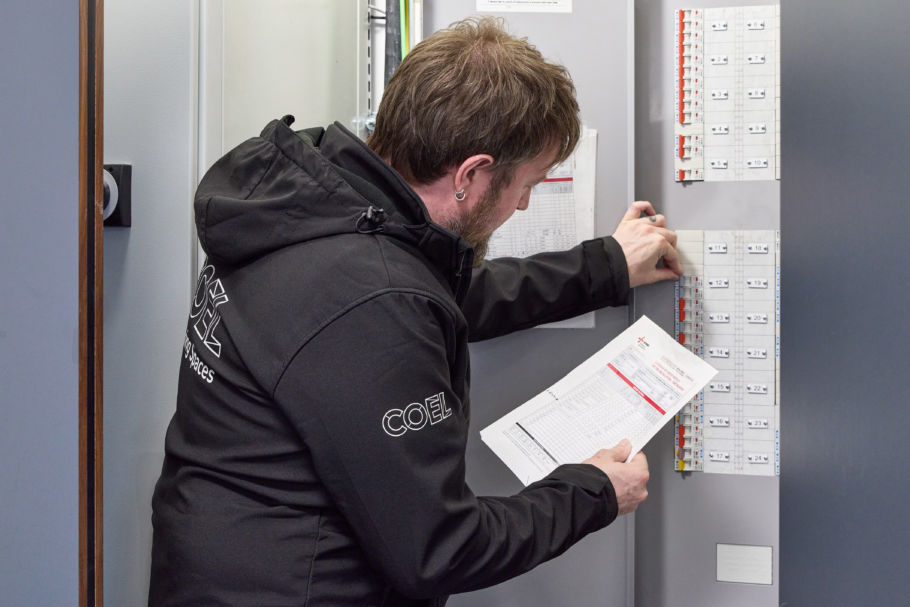
The EICR includes a summary of the installation’s condition, observations and recommendations, and classification codes for each issue. If the report is unsatisfactory, remedial work must be completed before the installation can be considered safe.
To maintain compliance and safety;
Electrical safety is not just a regulatory requirement; it’s essential for protecting people and property. Regular EICR testing helps prevent accidents, ensures legal compliance, and provides peace of mind for everyone involved in managing or occupying commercial buildings.
For more detailed information about EICR services and support, including frequently asked questions and guidance on compliance.
Prefer an AI Summary?