Agile working has become a central part of how modern organisations operate. It moves beyond traditional ideas of fixed desks and set working hours, giving employees the flexibility to choose how and where they work based on the task at hand.
At its core, agile working brings together people, technology and workplace design to create a more adaptable and responsive way of working. Success is measured by outcomes rather than time spent at a desk.
For many organisations, this approach supports productivity, improves employee experience and makes better use of office space.
Agile working is often confused with flexible working, but the two are not the same.
Flexible working typically refers to employees working in ways such as adjusted hours or compressed weeks. Agile working goes further by also considering where and how work takes place.
This may include:
The office becomes a destination for collaboration, connection and focused work, rather than a place employees are required to attend for a set number of hours.
Agile working delivers clear advantages for both organisations and their employees.
For organisations, agile working supports more efficient use of space and resources while improving overall performance.
Benefits include:
For employees, agile working offers greater control over how they work, which can lead to improved well-being and performance.
Benefits include:
Agile working also supports more sustainable business practices.
Reducing daily commuting lowers carbon emissions, while more efficient use of office space can reduce energy consumption. Many organisations also use agile working as part of a wider strategy to reduce their environmental impact.
This approach supports both business efficiency and sustainability goals.
Many organisations have already seen measurable benefits from adopting agile working.
For example, BT reported a significant reduction in absenteeism after introducing flexible and agile working practices, alongside improved productivity across its workforce. Reduced commuting also contributed to a substantial decrease in carbon emissions.
Similarly, PwC implemented agile working within its Birmingham office, consolidating multiple locations into a single workspace. This resulted in significant cost savings and improved employee satisfaction, with a large proportion of staff reporting a more positive working experience.
EC Harris also saw measurable improvements after introducing agile working, including increased profitability and more efficient use of office space.
These examples highlight how agile working can deliver both operational and cultural benefits when supported by the right workplace strategy.
Successful agile workplaces are planned to support a variety of work settings rather than relying on a single layout.
These typically include:
The key is to provide choice, allowing employees to move between spaces as their needs change throughout the day.
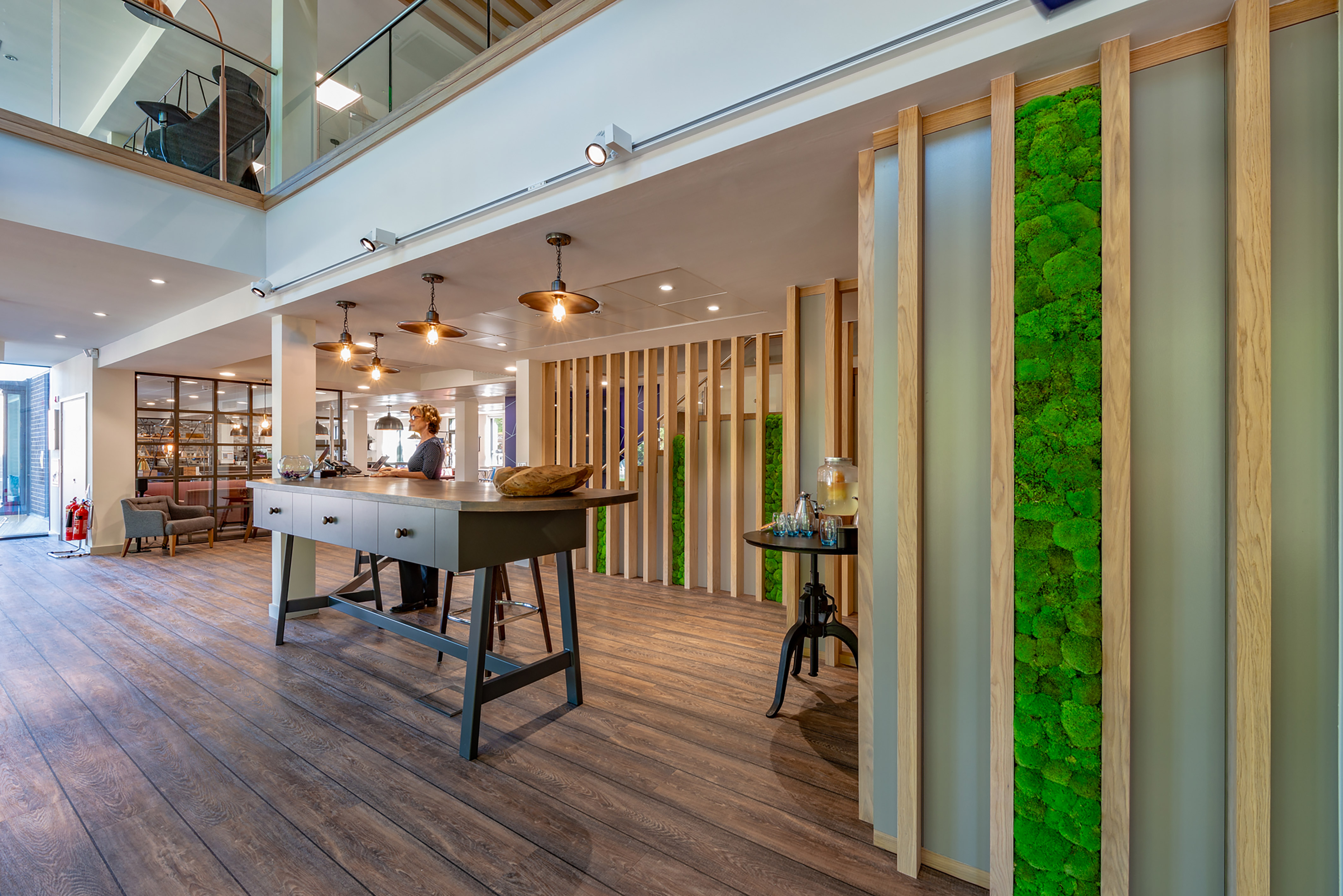
At Bidwells’ Cambridge headquarters, the workspace was designed as one of the early examples of an agile working environment. The office brings together multiple teams within a flexible layout that encourages movement and interaction.
A variety of work settings, including collaboration spaces, breakout areas and meeting rooms, support different working styles while reducing reliance on fixed desks.
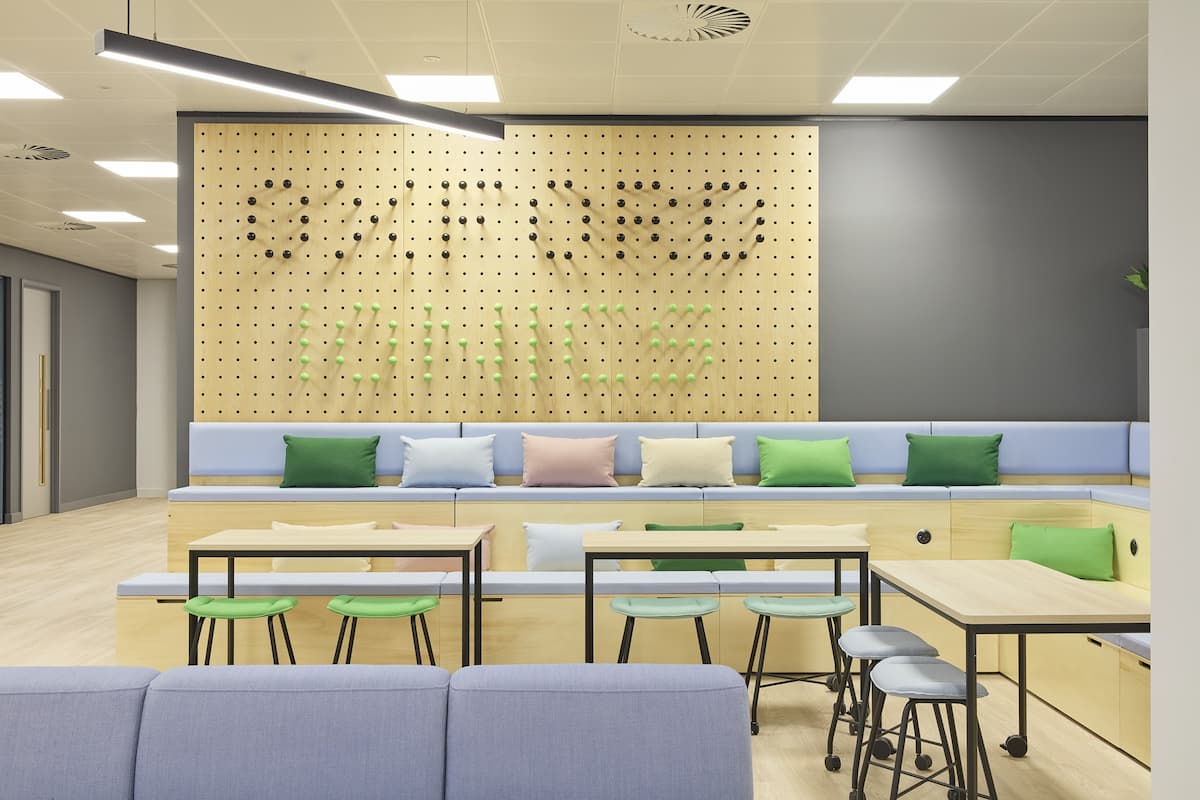
Oxford Ionics required a workspace that could support both collaboration and highly focused technical work. The design introduces a mix of environments that allow employees to choose how they work throughout the day.
This flexibility supports innovation while ensuring the workspace remains practical for complex scientific work.
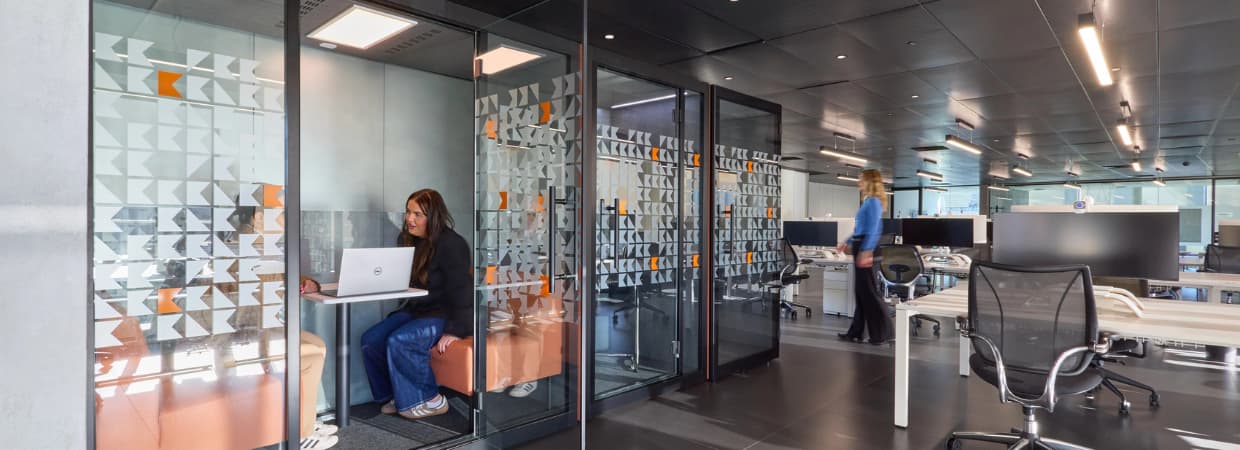
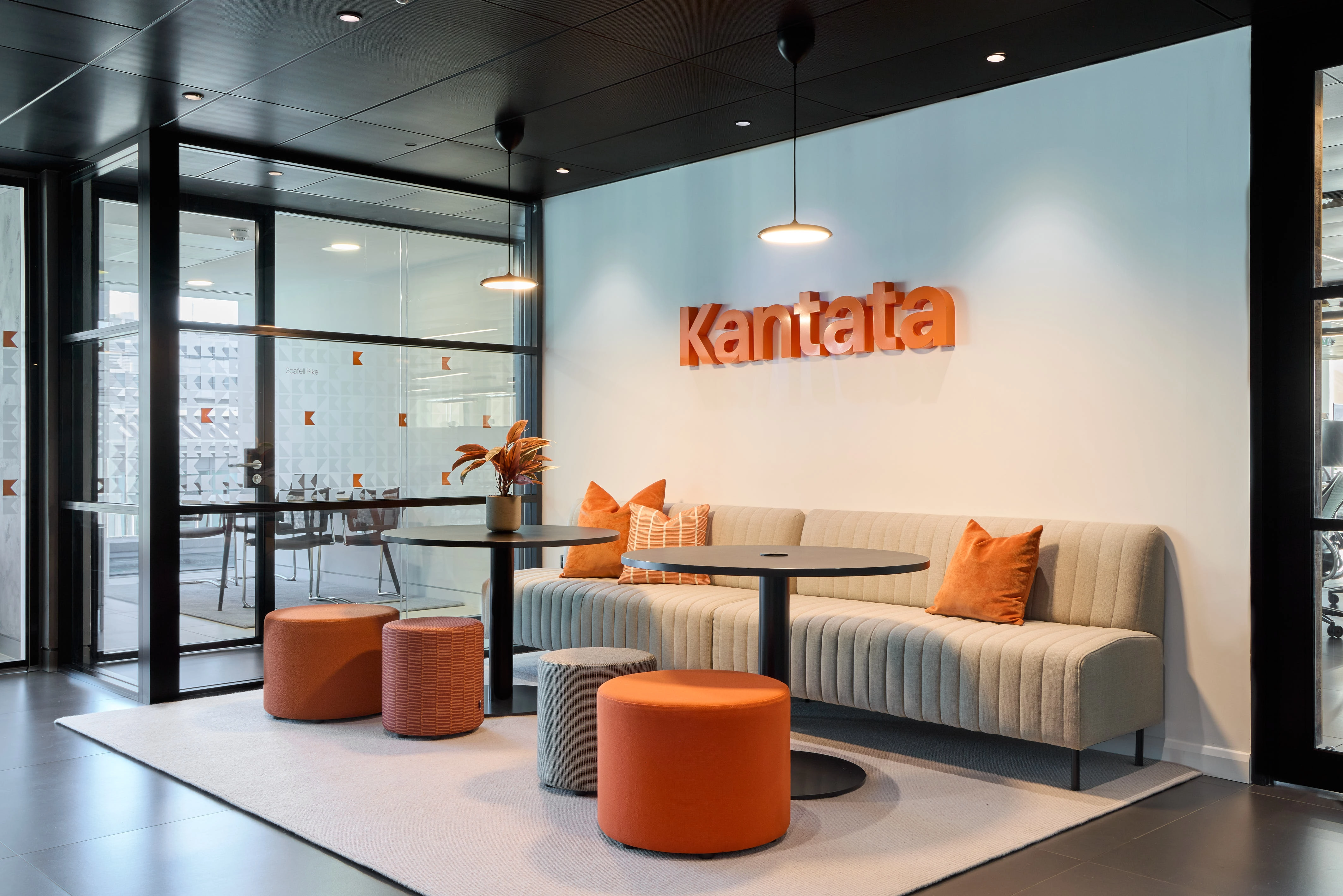
Kantata’s London office reflects the shift towards hybrid and agile working. The workspace includes flexible collaboration areas, informal meeting spaces and adaptable work settings that support different tasks.
Employees can move between spaces as needed, creating a more dynamic and efficient work environment.
Creating an agile office requires careful planning and a clear understanding of how your teams work.
Considerations include:
A successful agile workplace offers a range of environments rather than a one size fits all layout. This supports different types of work and reduces reliance on fixed desks.
Technology enables agile working. Reliable connectivity, video conferencing and integrated AV systems ensure employees can work effectively from any location.
Agile working often reduces the need for individual desks. This allows more space to be allocated to collaboration areas, meeting rooms and shared facilities.
Involving employees in the planning process helps ensure the workspace reflects how people actually work. This increases adoption and improves overall satisfaction.
A defined workplace strategy ensures the design aligns with business objectives, culture and future growth.
Agile working is no longer a future concept. It is shaping how organisations design and use their workplaces today.
Creating an effective agile environment requires more than introducing flexible desks. It involves understanding how your teams work, how your business operates and how your space can support both.
Our commercial interior designers at COEL work closely with clients to bring together planning, design, build and furniture, creating workplaces that support agile working and success.
With the right approach, agile working can transform your office into a more adaptable, efficient and engaging place to work.
Prefer an AI Summary?