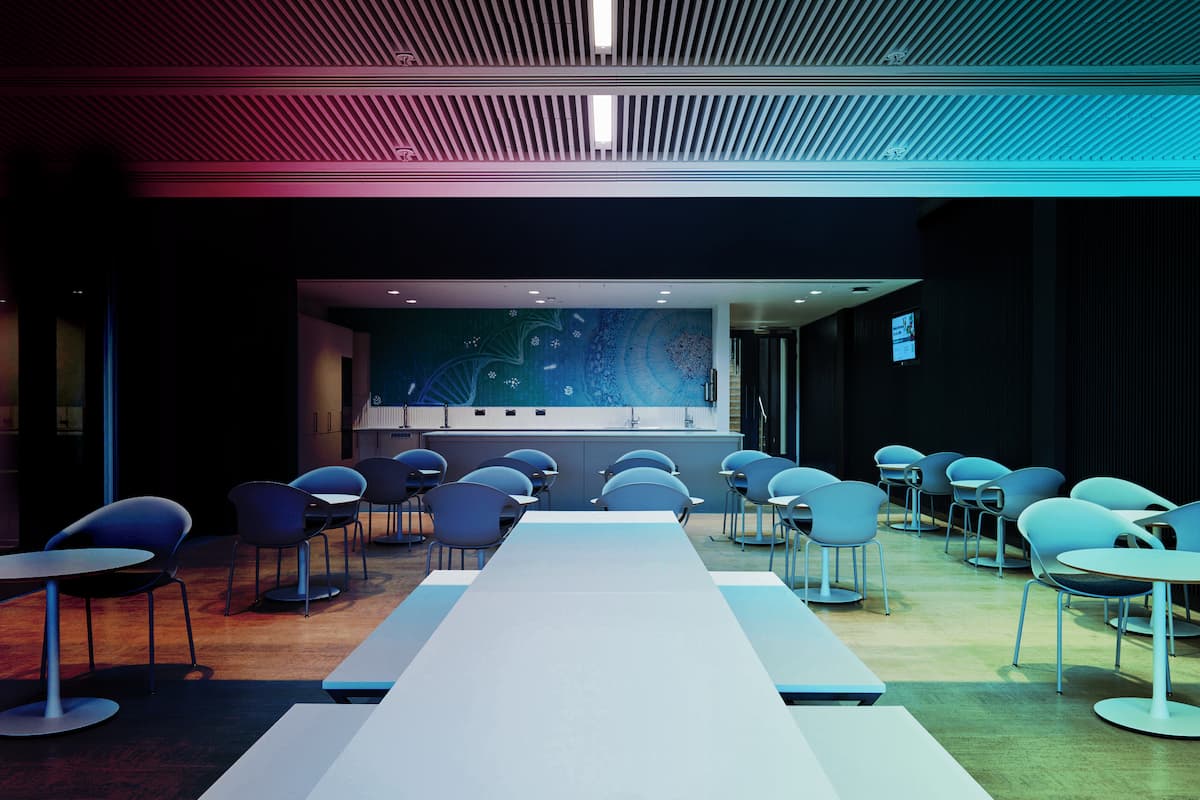
The Cambridge–Oxford Growth Corridor is entering one of its most transformative periods in decades. With significant public and private investment committed to transport, housing, innovation and scientific infrastructure, the region is consolidating its status as a globally recognised supercluster of research, technology and advanced industries. These changes are shaping how commercial buildings are designed, refurbished and fitted out, which in turn is driving science-ready infrastructure, rapid occupation, flexible design and sustainability at scale.
Recent government announcements have confirmed over £500 million of central investment for the Oxford–Cambridge Growth Corridor, including up to £400 million to accelerate development in Greater Cambridge (focused on affordable homes, enabling infrastructure and new business space), alongside continued support for East West Rail.
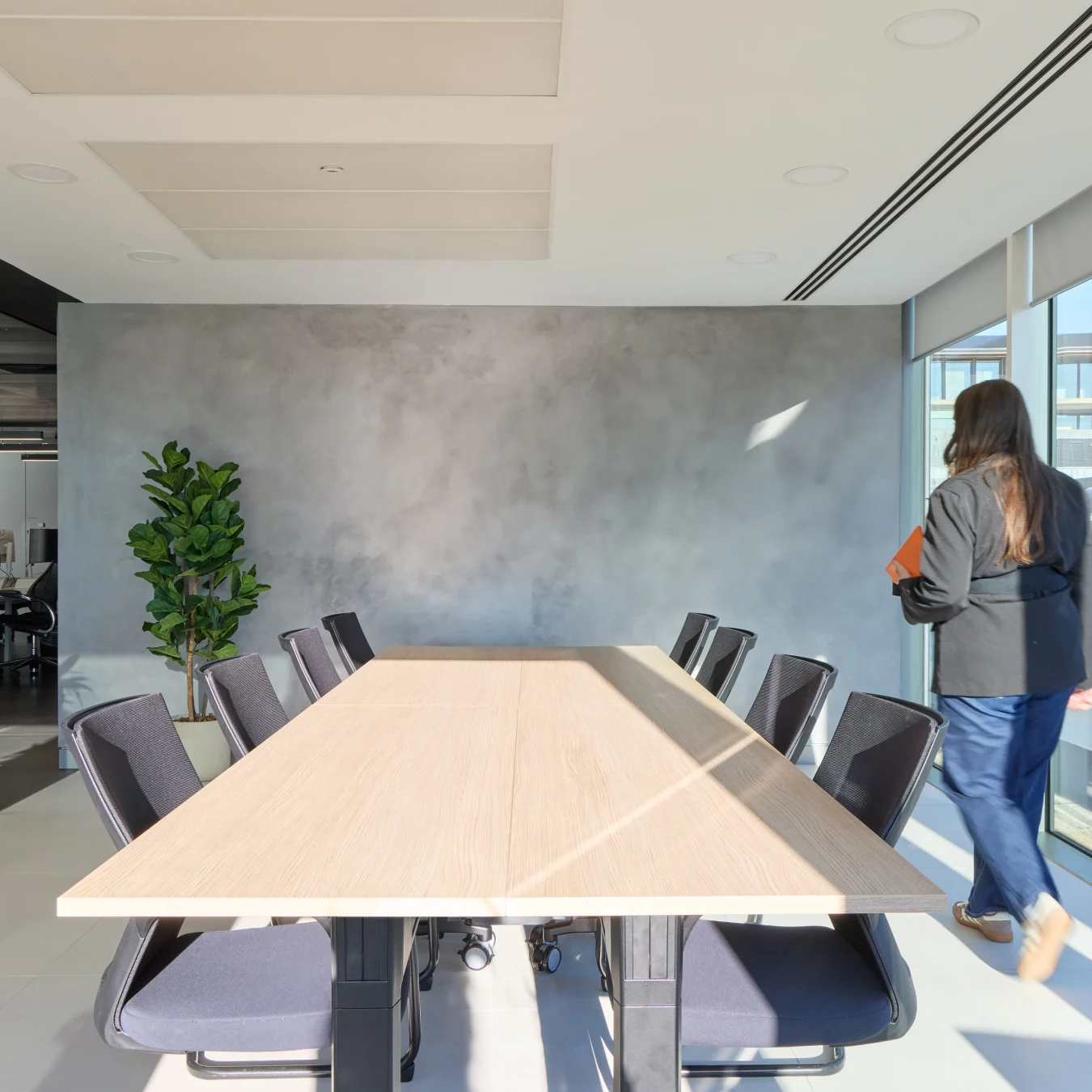
In parallel notable projects in the region include:
The corridor’s growth- life sciences, deep tech, AI, advanced manufacturing and cleantech—requires specialist environments. Occupiers increasingly expect lab-enabled office floors, enhanced ventilation/extract, robust MEP, integrated write-up/collaboration areas and flexibility to scale.
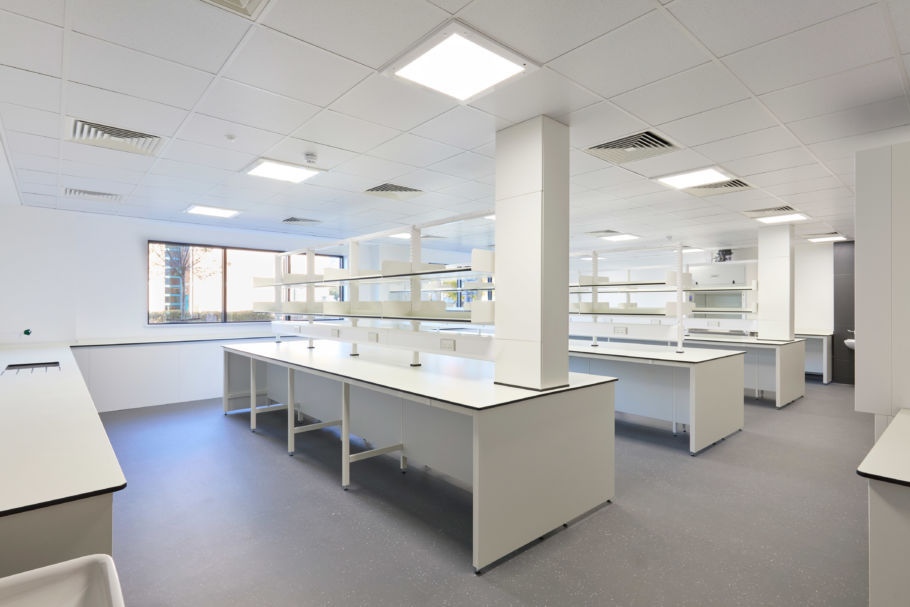
Following the wave of completions in 2024–2025, 2026 is characterised by a market rebalancing. Vacancy has risen (especially in London) and leasing activity sits below long-term averages; occupiers are prioritising best-in-class, well-located space and turnkey delivery (Cat A+ and fitted labs).
EWR’s next phases and station proposals influence where organisations locate, consolidate or expand, opening new labour markets and enabling multi-hub strategies across Oxford, Milton Keynes, Bedford and Cambridge.

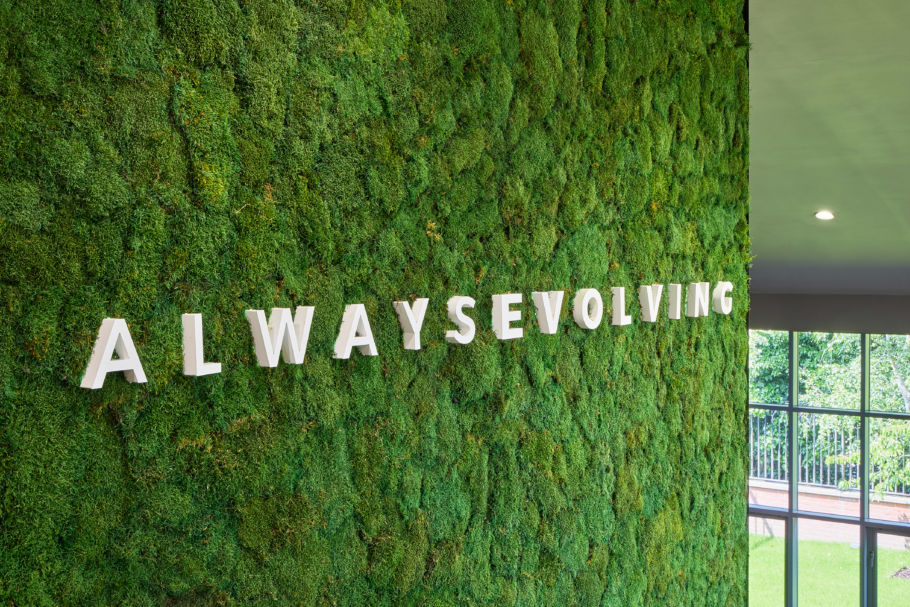
Planning and ESG expectations continue to favour brown-to-green transformations. Energy-intensive lab uses demand smart design (electrification, heat recovery, PVs) and careful planning to address extraction, waste and amenity impacts; high-quality retrofits are viable and increasingly favoured over new build where appropriate.
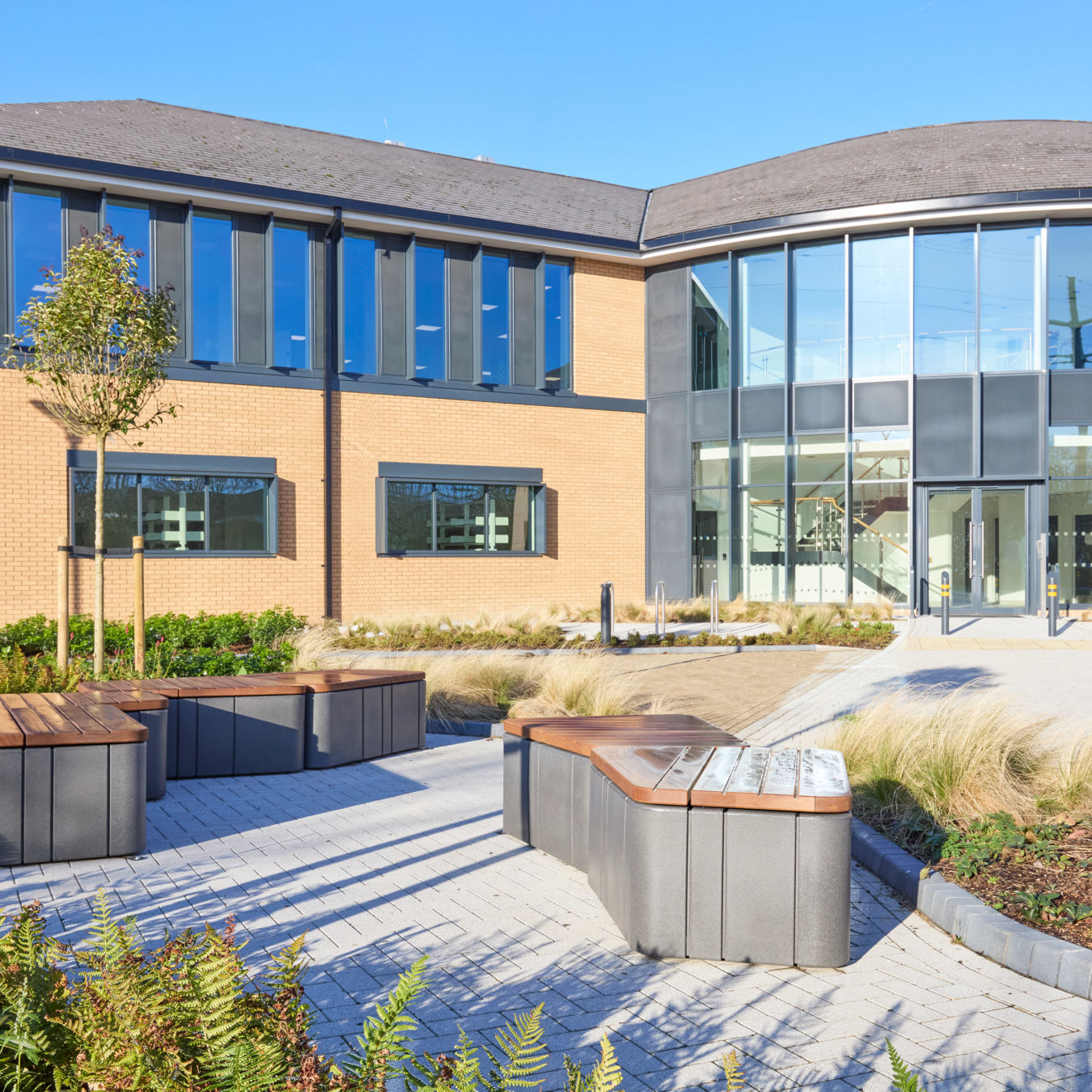
As the Oxford–Cambridge Growth Corridor matures into a globally competitive innovation ecosystem, tenant expectations have evolved just as quickly as the science and technology sectors driving demand.

In 2026’s rebalanced market, where choice has increased but competition for best-in-class space remains intense, occupiers are prioritising environments that enhance productivity, accelerate mobilisation, and support long-term operational resilience. This means commercial buildings must now deliver far more than square footage: they must provide adaptable infrastructure, human-centred design and sustainability led performance that aligns with modern research, recruitment and investment pressures.
We are seeing demand centred around;
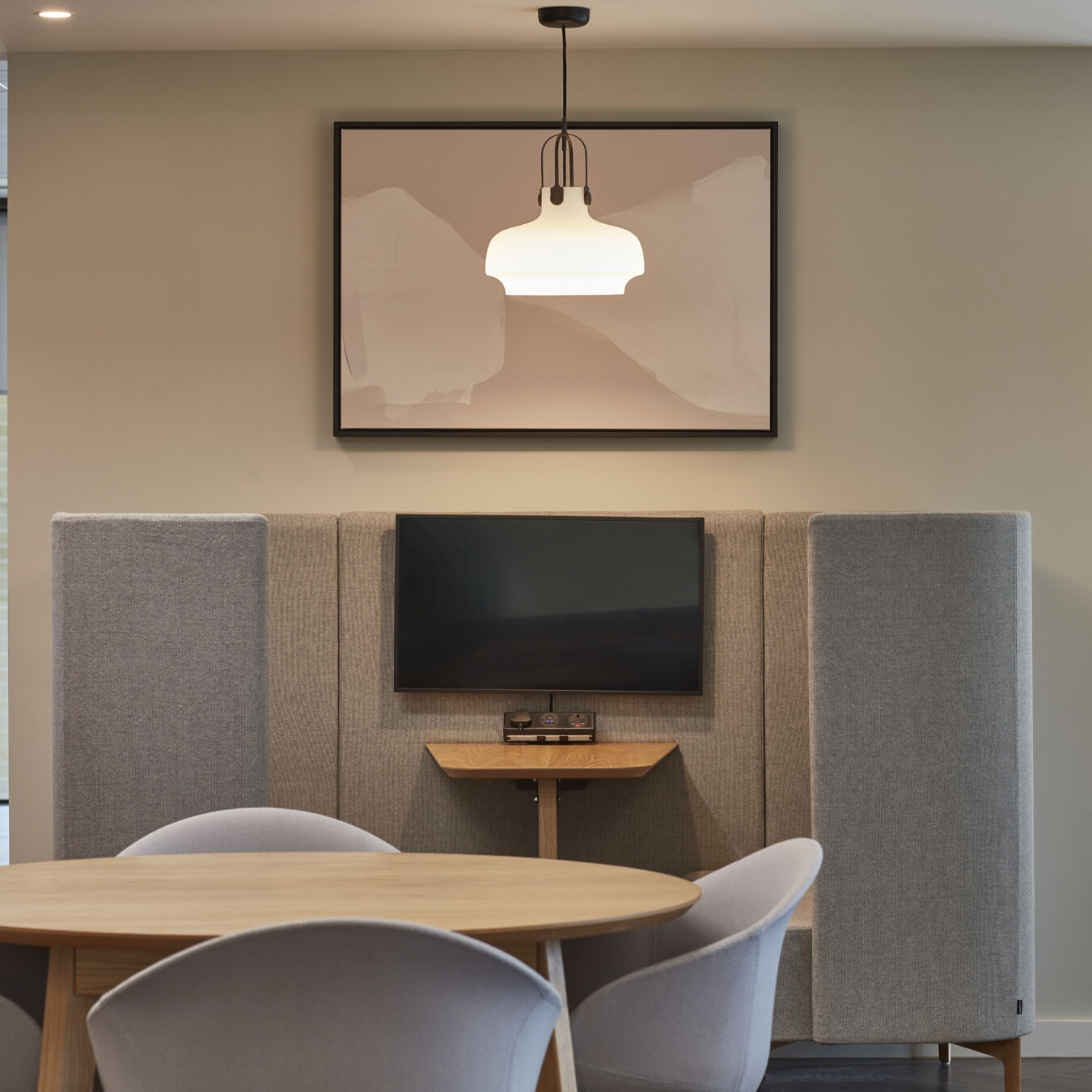
COEL partners with landlords, developers, institutions and private companies across the corridor to plan and deliver spaces that meet this investment-driven landscape: science-ready, fast to deliver, flexible in use and low carbon by design.
When asked why COEL would be the right partner for a design and fit out project in the region, Managing Director, Richard Brent, responded:
“At COEL, we design and build offices and laboratories across the Oxford–Cambridge Arc, delivering Cat A, Cat A+ and Cat B projects with inhouse design, MEP and furniture teams. With over 30 years’ experience and a full turnkey solution in-house, this enables faster, lower risk mobilisation for science and tech clients.”
Investment across the Oxford–Cambridge Growth Corridor signals long-term confidence in the UK’s innovation economy. As transport improves, large-scale projects complete and global capital flows into research and technology, demand for cutting-edge fit outs will intensify; but in 2026 this is coupled with a market rebalancing.
Owners who evolve now, prioritising adaptability, sustainability and science-ready design, will be best placed to capture the next wave of growth.
Speak to us now about how we can help ensure your space is tenant and future-reading for 2026 and beyond.
Prefer an AI Summary?