Electrical safety is both a legal and an ethical obligation for anyone responsible for owning, managing or occupying commercial property. In the United Kingdom, Electrical Installation Condition Reports (EICRs) play a critical role in maintaining safe and compliant buildings. This guidance outlines the key considerations for landlords and tenants.
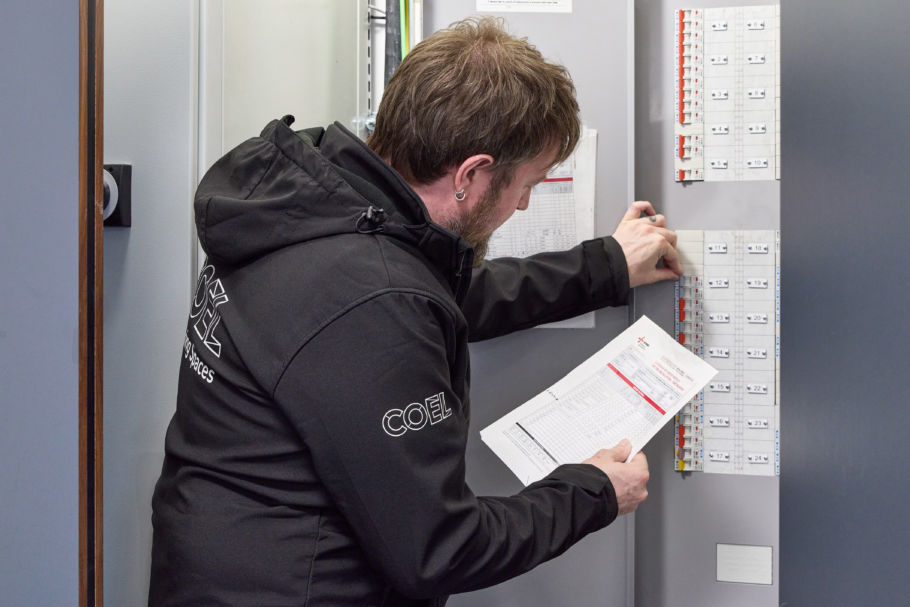
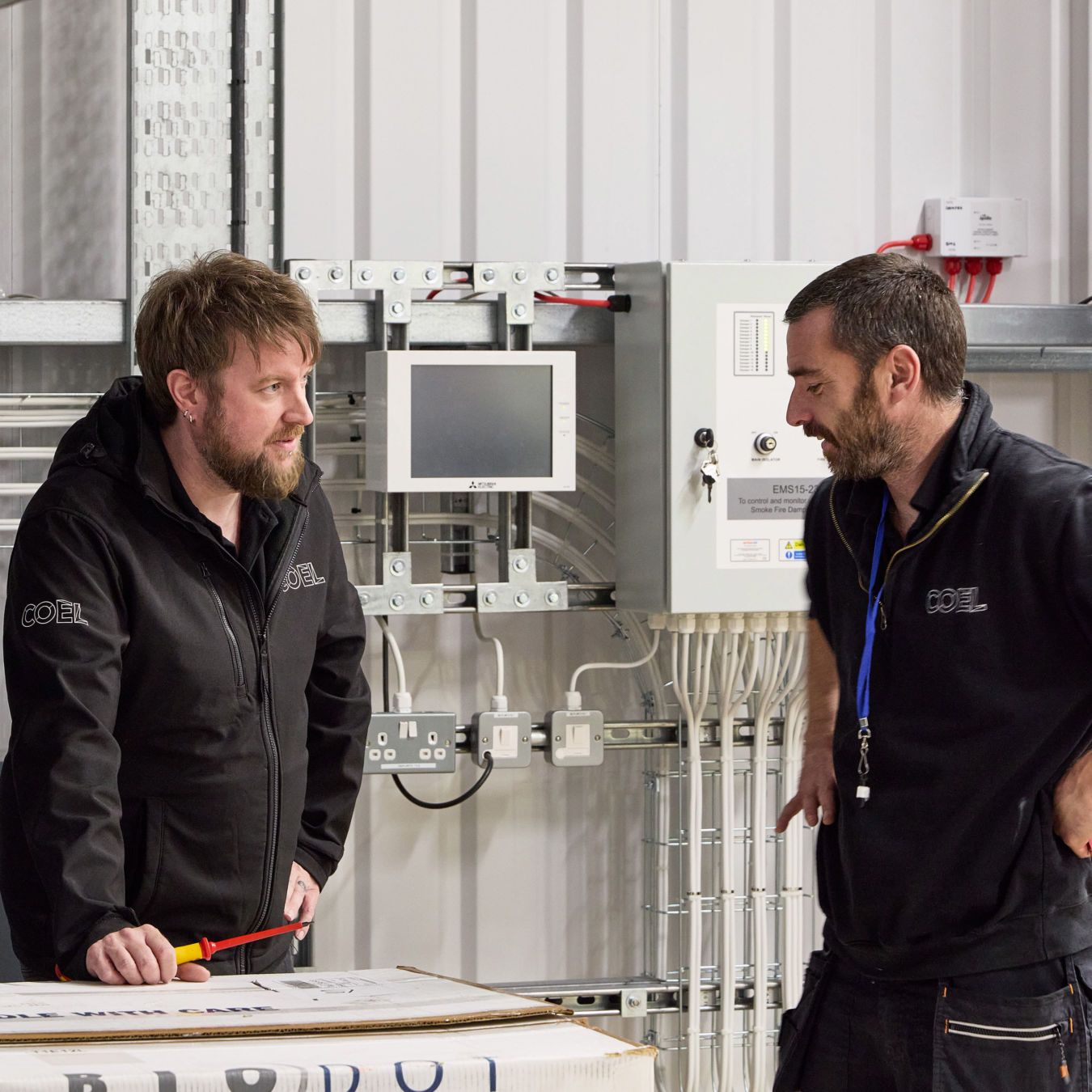
An EICR is a formal document generated after a thorough assessment of a building’s electrical installations. The report identifies defects, damage, non-compliance with current regulations, potential safety risks, and provides recommendations for remedial work.
Frequency of EICR Testing
For commercial properties, EICR inspections are recommended every five years, or sooner if specified by a previous report or due to changes in building usage.
Arranging an Inspection
Our commercial maintenance team can arrange EICR inspections for properties located within an hour of Cambridge. We serve Cambridgeshire, Bedfordshire, Hertfordshire, and Suffolk. Our NICEIC-accredited electricians (National Inspection Council for Electrical Installation Contracting) are available to perform EICR tests at your convenience.
We understand that electrical safety is not just a regulatory requirement, but a vital part of protecting your people, property, and business continuity. Our NICEIC-accredited team delivers a comprehensive electrical compliance service tailored to commercial landlords and tenants across Cambridgeshire, Bedfordshire, Hertfordshire, and Suffolk.
From initial consultation to ongoing support, we handle every aspect of your EICR inspection and compliance journey. We work around your schedule, provide clear communication, and ensure all work is carried out to the highest standards. Our experts guide you through the process, helping you understand your responsibilities and supporting you with practical solutions for any issues identified.
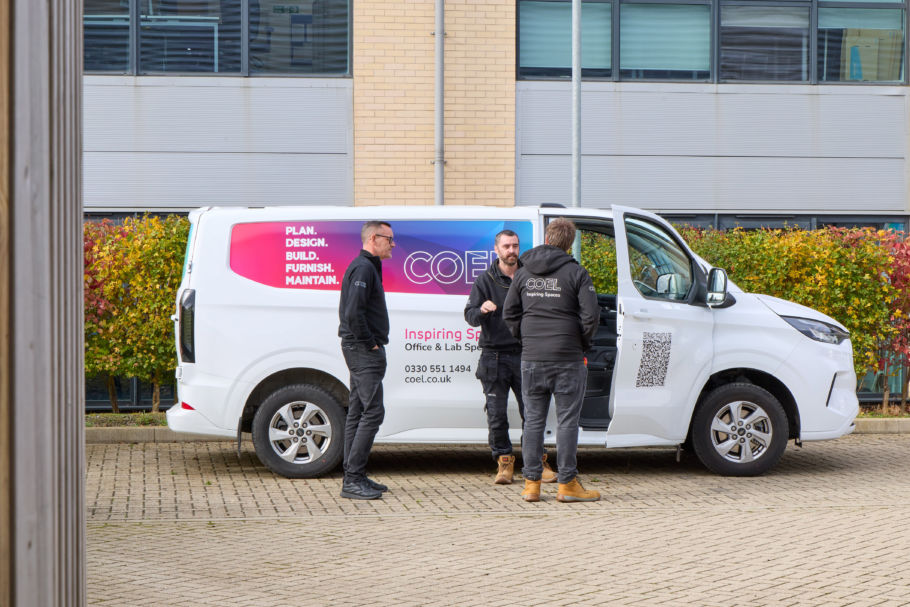

When you choose COEL for your electrical safety needs, your EICR report will include:

Electrical safety should be a high priority to help protect your people, your property, and your peace of mind.
Our EICR service is designed to make compliance straightforward and stress-free. We deliver clear, actionable reports and practical support, so you can be confident your building meets all legal requirements and industry standards.
Luke McManus, Electrical Manager, COEL
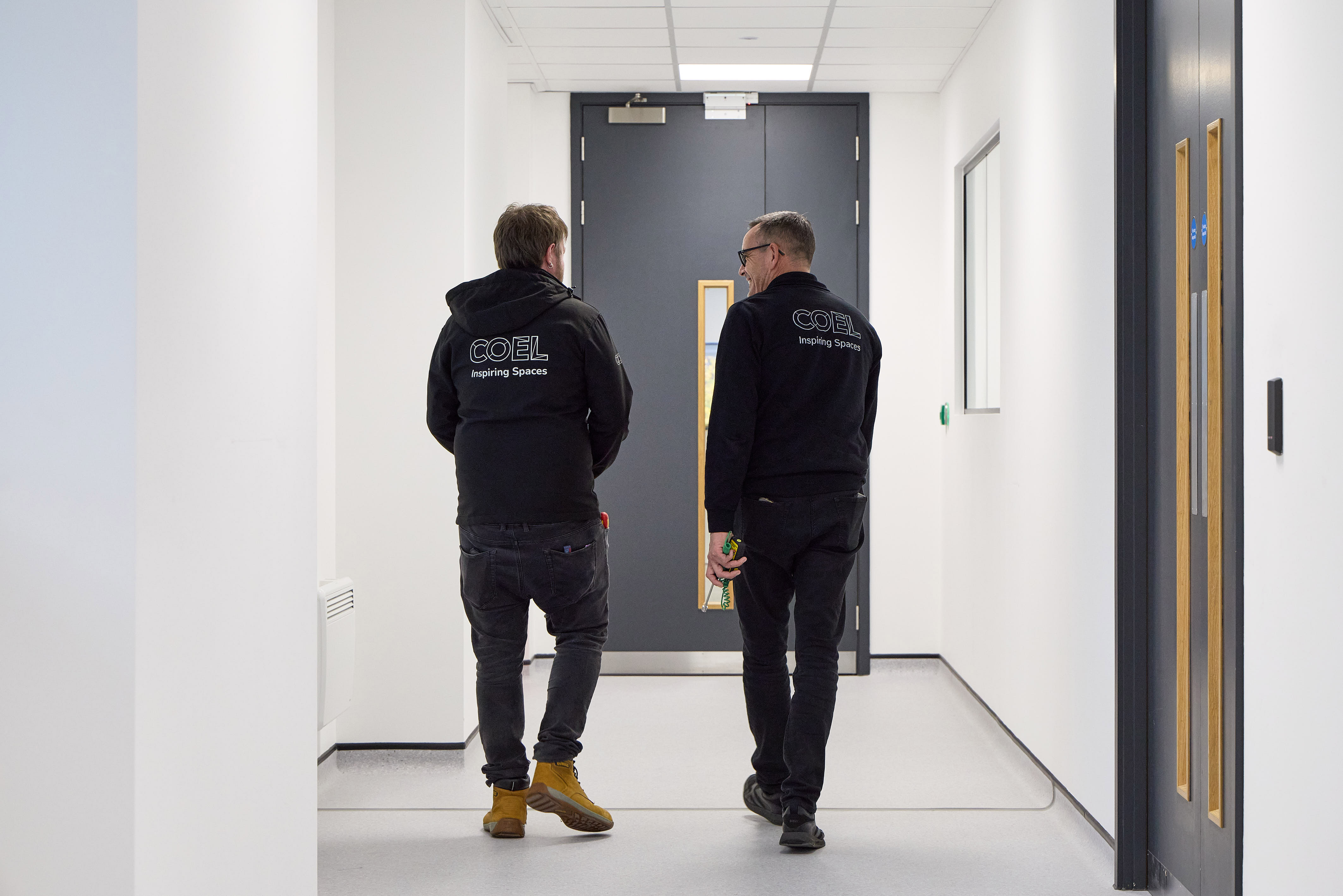
Maintaining electrical compliance is essential for legal, safety, and operational reasons. Here are five key steps to ensure your property remains compliant:

Every five years, or sooner if recommended by previous reports or after significant changes to the electrical system.
Landlords are generally responsible for the main electrical installation, while tenants may be responsible for internal systems depending on the lease agreement. Both parties must cooperate to ensure compliance.
Remedial work must be completed to address any issues before the installation can be considered safe. Failure to comply can result in legal penalties and insurance issues.
Flickering lights, warm outlets, frequent breaker trips, burning smells, and outdated wiring are common signs. Regular inspections help identify and resolve these issues early.
Key regulations include the Electricity at Work Regulations 1989, BS 7671 (IET Wiring Regulations), and the Health and Safety at Work Act 1974.
Want Our KnowHow
straight into your inbox?
Sign-up to our newsletter click here