The way we work has changed significantly over the past decade. Advances in technology, shifting employee expectations and new approaches to workplace design have all contributed to a rethinking of the traditional office.
For many organisations, the workplace is no longer defined by fixed desks or set hours. Instead, it is becoming a flexible environment that supports collaboration, focus and connection.
The challenge for businesses is not whether the office still has a role to play, but how it should evolve to support the way people work today.
The office is no longer the default place for all work. Many tasks can now be carried out remotely, giving employees greater flexibility in how they structure their day.
However, this shift has also reinforced the importance of the physical workplace.
The office now serves as a hub for:
Rather than replacing the office, flexible working has redefined its purpose.
Modern workplaces are built around choice. Employees are no longer tied to a single desk and can move between environments depending on the task at hand.
This approach often includes:
Providing a variety of settings allows organisations to support different working styles while making more efficient use of space.
Agile work practices have become a key driver in shaping modern office environments. By focusing on outcomes rather than presence, organisations can create workplaces that are both more efficient and more engaging.
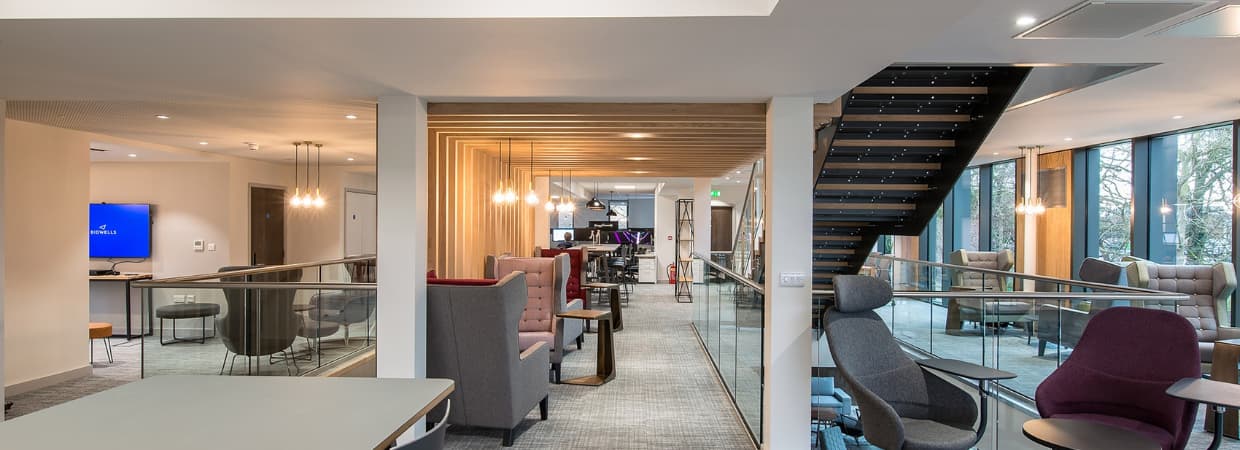
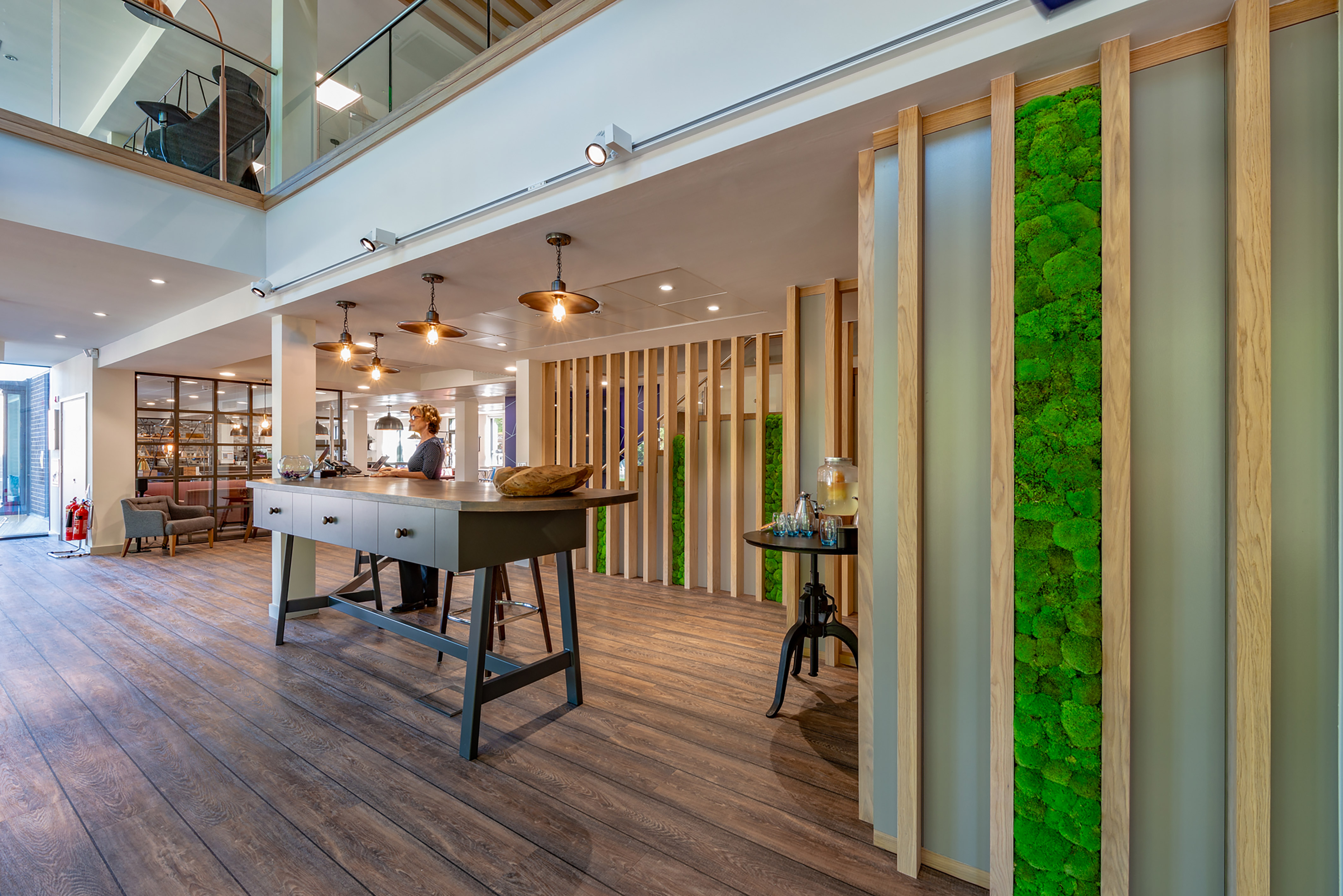
COEL worked with Bidwells to deliver one of Cambridge’s early agile working environments at their headquarters in Trumpington.
The brief was to create a workplace where employees were supported to work flexibly and rewarded based on output rather than time spent in the office.
The design introduced a wide range of work settings, allowing staff to choose how and where they work throughout the day. Employees were equipped with mobile technology, enabling them to work seamlessly across different areas of the office or remotely.
Following the transformation, Bidwells reported measurable improvements across both operational performance and employee experience:
This project demonstrates how a carefully planned agile workplace can deliver both economic and cultural benefits.
As organisations look to optimise their office space, many are consolidating or reconfiguring their workplaces to improve efficiency.
This may involve bringing teams together onto fewer floors or redesigning layouts to support more collaborative ways of working.
The key is to ensure that efficiency does not come at the expense of the employee experience. A successful workplace balances space utilisation with comfort, usability and wellbeing.
Technology plays a central role in the modern workplace.
From video conferencing to integrated workplace systems, technology enables employees to work seamlessly across different locations and environments.
Considerations include:
When integrated effectively, technology supports both flexibility and productivity.
Employee wellbeing is now a fundamental consideration in workplace design.
A thoughtfully planned office can support both physical and mental wellbeing through:
Creating an environment that supports wellbeing helps improve focus, reduce stress and enhance overall performance.
The future office must also respond to sustainability goals.
Reducing energy consumption, making better use of space and supporting alternative commuting options all contribute to a more sustainable workplace.
Agile working supports this by reducing unnecessary travel and allowing organisations to operate more efficiently within their existing footprint.
The workplace will continue to evolve as organisations adapt to changing business needs and employee expectations.
Flexibility, technology and wellbeing will remain central to how offices are designed and used.
What is clear is that the office still plays a vital role. It is where teams come together, ideas are shared, and company culture is built.
We see the workplace as a powerful tool for supporting business performance and employee experience.
COEL’s commercial interior designers work closely with clients to understand how their people work and what their business needs to achieve. By bringing together planning, design, build and furniture, we create workplaces that are flexible, efficient and built for the future.
As organisations continue to adapt, the most successful workplaces will be those that support connection, enable choice and evolve alongside the people who use them.
Prefer an AI Summary?