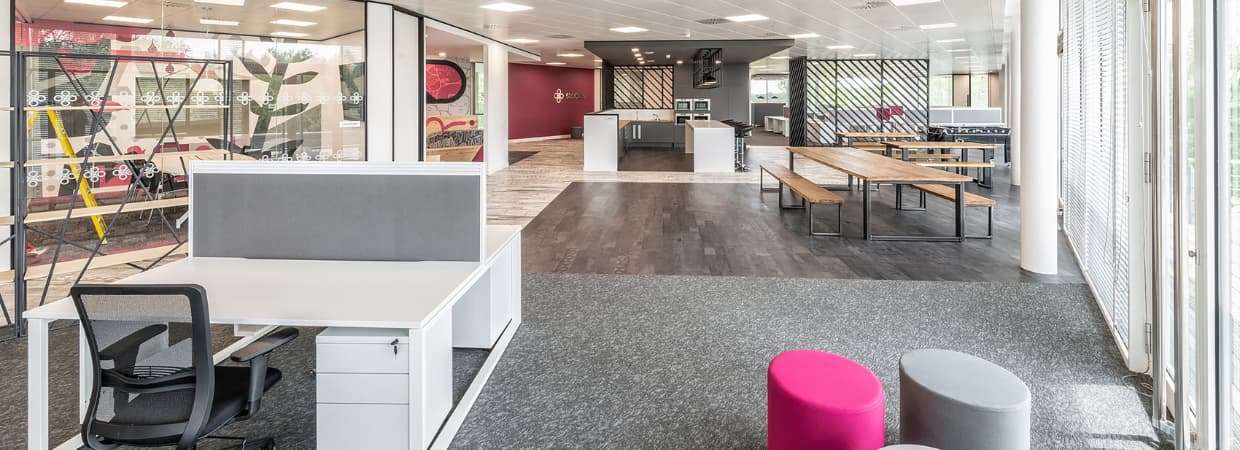
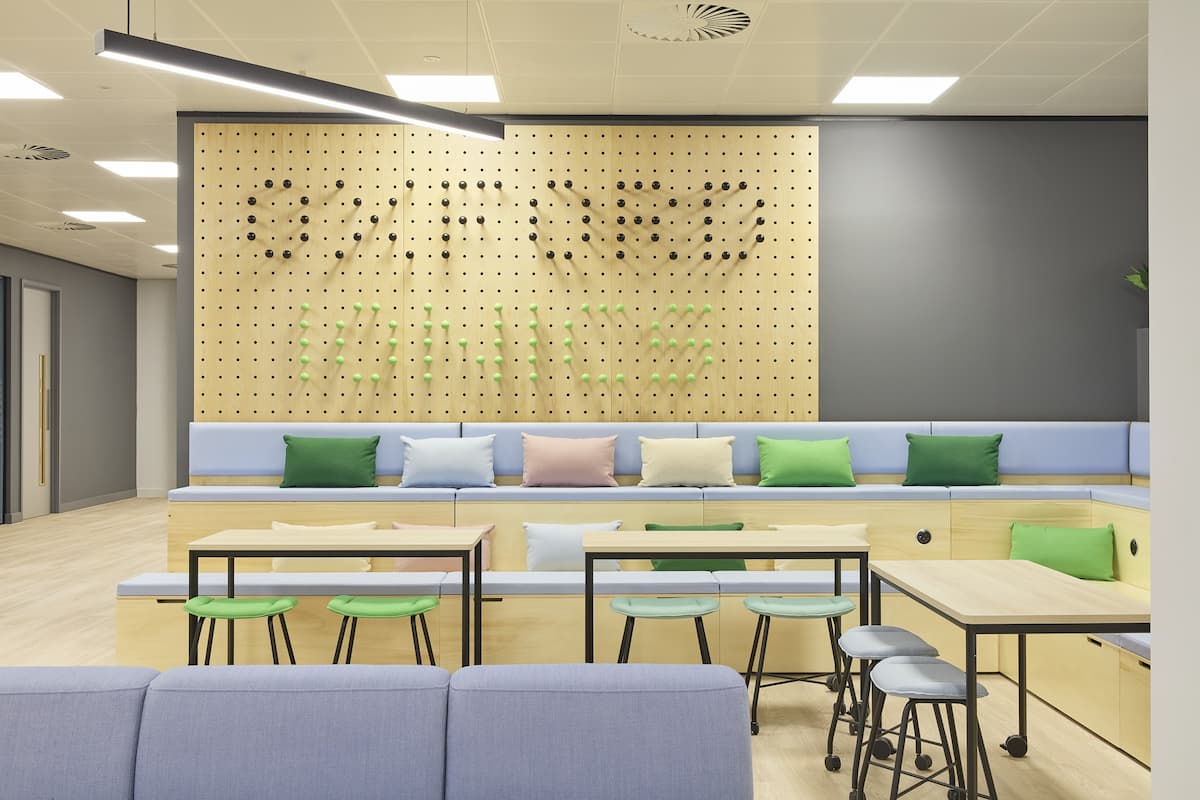
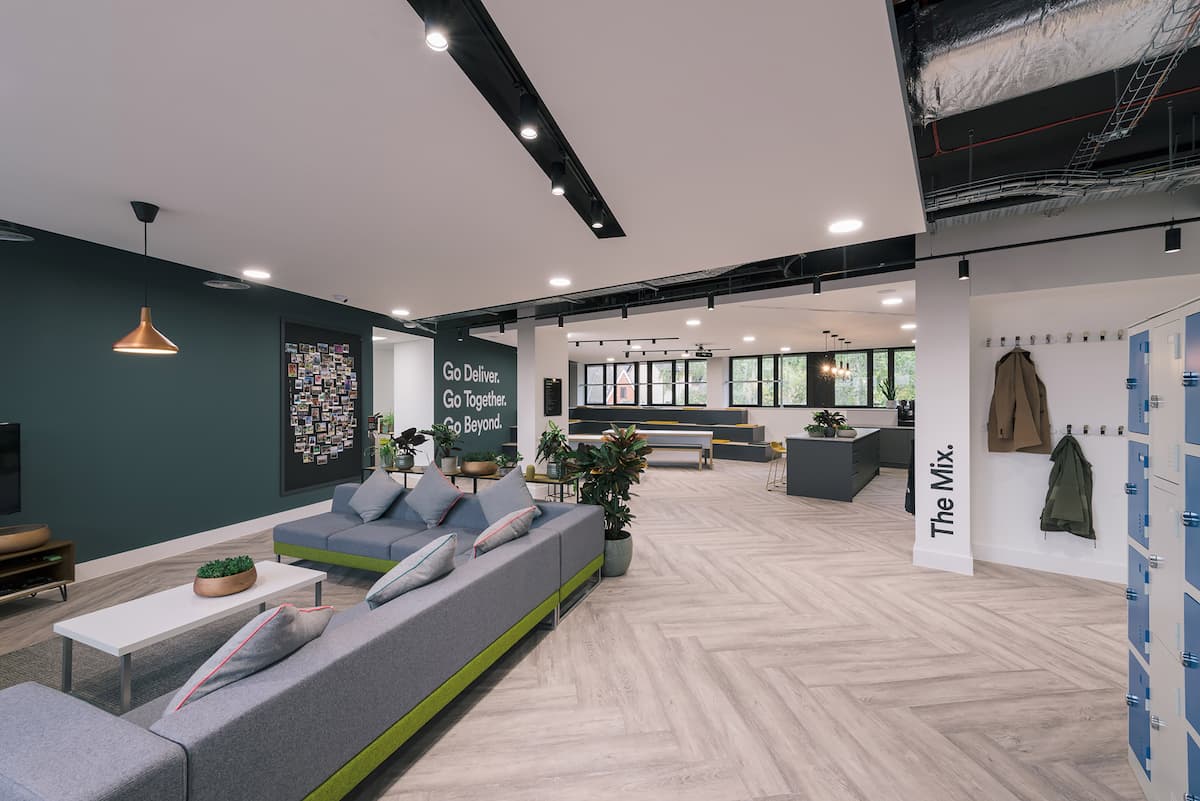
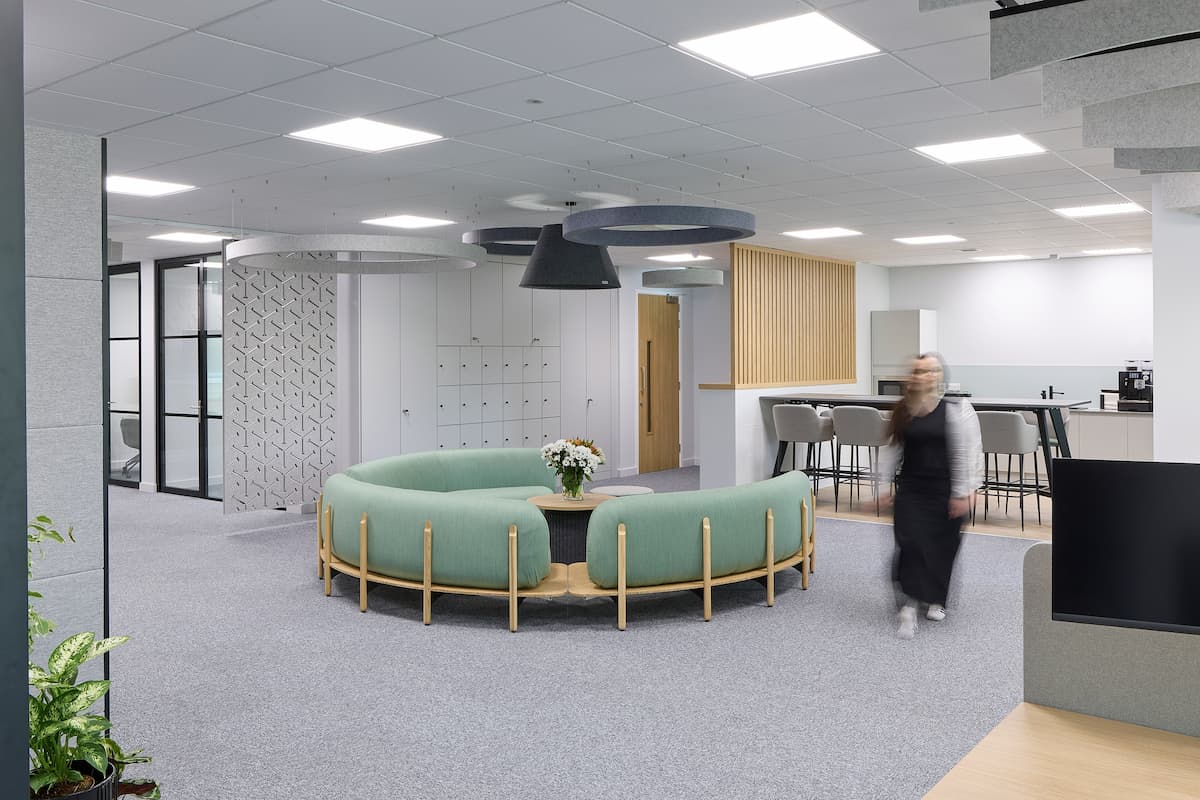
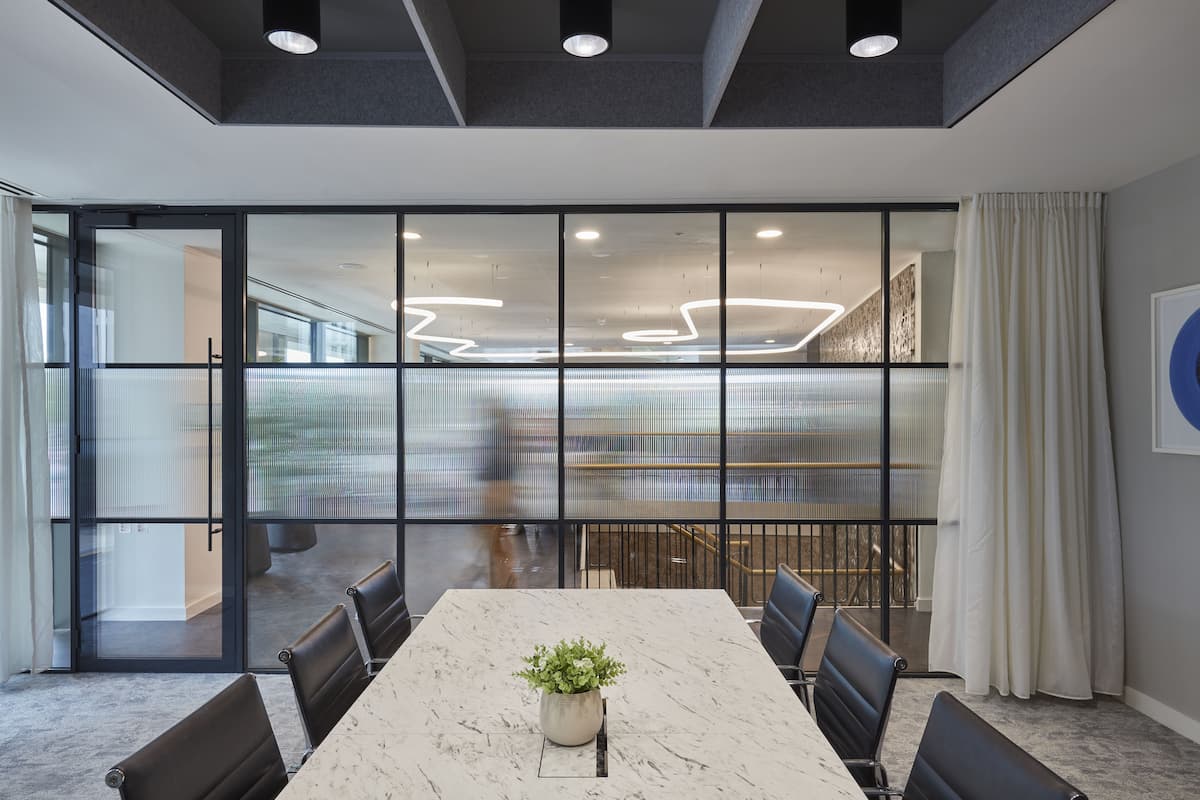
Relocating to a new office or refurbishing an existing workplace is an opportunity to rethink how your organisation works. A well-planned office fit-out can support collaboration, improve employee experience and create a workspace that reflects your brand.
Without clear planning, however, the process can quickly become complex and disruptive. Defining your requirements early and assembling the right team will help ensure your workspace supports your business both now and in the future.
Every office project begins with a clear understanding of what the business needs from its workspace.
Some organisations are relocating because their teams have grown. Others may be bringing departments together, adapting to hybrid working or simply modernising an outdated office.
Whatever the motivation, it is important to plan beyond immediate requirements. Designing a workplace for today alone may mean repeating the process in a few years.
Considerations often include:
An office planning exercise helps organisations understand these needs and create a clear strategy before design work begins.
Office fit out projects involve many moving parts. Clear leadership and coordination help keep the process organised and efficient.
Most organisations appoint an internal project lead who acts as the main point of contact throughout the project. This person works closely with the design and build partner to coordinate decisions and keep stakeholders informed.
Depending on the organisation, the project team may include:
Keeping employees informed during the project is equally important. Regular updates help teams feel included and build confidence in the transformation taking place.
Many organisations also gather feedback from staff through surveys or workshops. These insights can influence design decisions and ensure the final workspace genuinely supports the people who use it every day.
Selecting an experienced office fit out partner can significantly simplify the process.
A reputable design and build specialist will manage the entire project from initial planning through to completion, providing a single point of contact and ensuring all elements remain aligned.
This integrated approach often includes workplace strategy, interior design, construction and furniture selection. By combining these services within one team, businesses benefit from a more coordinated and efficient delivery.
The COEL approach brings together planning, design, build, and furnishing to create inspiring workspaces that support productivity, wellbeing, and collaboration.
An experienced office fit out partner should typically offer:
This comprehensive approach removes the need to coordinate multiple contractors and ensures the project remains aligned with the overall workplace strategy.
Looking at completed projects can help illustrate how thoughtful planning translates into successful workplaces.
Quantum computing specialists Oxford Ionics required a headquarters capable of supporting rapid growth and advanced scientific research. Their 30,000 sq ft workspace was designed to encourage collaboration while providing areas suited to focused technical work.
Flexible meeting spaces, open collaboration zones and carefully designed social areas create a workplace that supports innovation while also making a strong impression on visiting investors and partners.
Digital marketing agency Crafted needed to expand its office to accommodate a growing team and evolving hybrid working practices.
The new workspace layout was designed to encourage collaboration and creativity while still providing quieter areas for focused work. Brand identity was carefully integrated throughout the design, ensuring the physical environment reflects the agency’s personality and creative approach.
Marine energy infrastructure specialists Acteon moved into an office overlooking the River Wensum in Norwich. The design concept drew inspiration from water and energy, with flowing forms and natural elements shaping the workspace.
Acoustic features and collaborative spaces support teamwork while creating a calm, functional environment for daily operations.
International law firm Mishcon de Reya required a workspace that balanced collaboration with strict privacy requirements.
Their Cambridge office separates client-facing areas from staff workspaces, ensuring confidential discussions remain protected. The design draws inspiration from traditional private clubs, creating a refined and professional atmosphere that reflects the firm’s reputation.
These examples demonstrate how the culture, priorities and operational needs of the organisation shape every workplace transformation.
Before appointing a fit-out partner, several practical steps can help ensure the project runs smoothly.
Review previous projects delivered by potential partners and, where possible, speak with existing clients. Visiting completed workplaces can provide valuable insight into design quality and project delivery standards.
It is also important that proposals clearly outline the scope of work, project timelines and agreed budgets. Transparency at this stage helps avoid misunderstandings later in the process.
Equally important is the relationship with the project team itself. A successful office fit out relies on open communication and a shared understanding of the project goals.
Choosing a partner that listens carefully and understands your business will make the entire journey more efficient and far less stressful.
A successful office fit out is about more than aesthetics. It shapes how people work, collaborate and interact with clients.
By taking the time to understand your requirements, involving the right stakeholders and partnering with experienced specialists, your workplace can become a powerful tool for supporting productivity, culture and future growth.
A carefully planned workspace not only improves day-to-day working life but also helps position your organisation for the opportunities ahead.
Prefer an AI Summary?