When planning a new office space, one of the first decisions organisations face is whether to require a Category A or Category B fit out.
Understanding the difference is important because it determines the building’s starting condition and the work required before the office becomes fully functional.
In most cases, commercial offices are delivered by landlords in a Category A condition. The tenant then completes a Category B fit out to transform the shell into a workspace tailored to their business.
A design and build partner will guide you through the process, but having a clear understanding of each stage helps organisations plan their projects more effectively.
A Category A fit out refers to the base level of finish typically provided by a landlord before the space is leased to an occupier.
At this stage, the office is structurally complete and compliant with building regulations, but it is not yet suitable for day-to-day business operations.
The space is usually delivered as a neutral shell, allowing incoming tenants to design their own workplace layout.
A typical Category A office may include:
While this provides a functional space, it remains generic and does not yet reflect the organisation’s needs as it moves into the building.
A Category B fit out takes the base building and transforms it into a fully operational office designed around the occupier.
This stage introduces the layout, technology, furniture and design features that allow employees to work effectively and comfortably.
Typical Category B elements include:
This stage is where the workspace becomes unique to the organisation and aligned with its culture and working style.
Category A projects are often delivered by landlords or developers preparing office space for new tenants.
Several projects within the COEL portfolio reflect this type of building preparation or landlord upgrade.
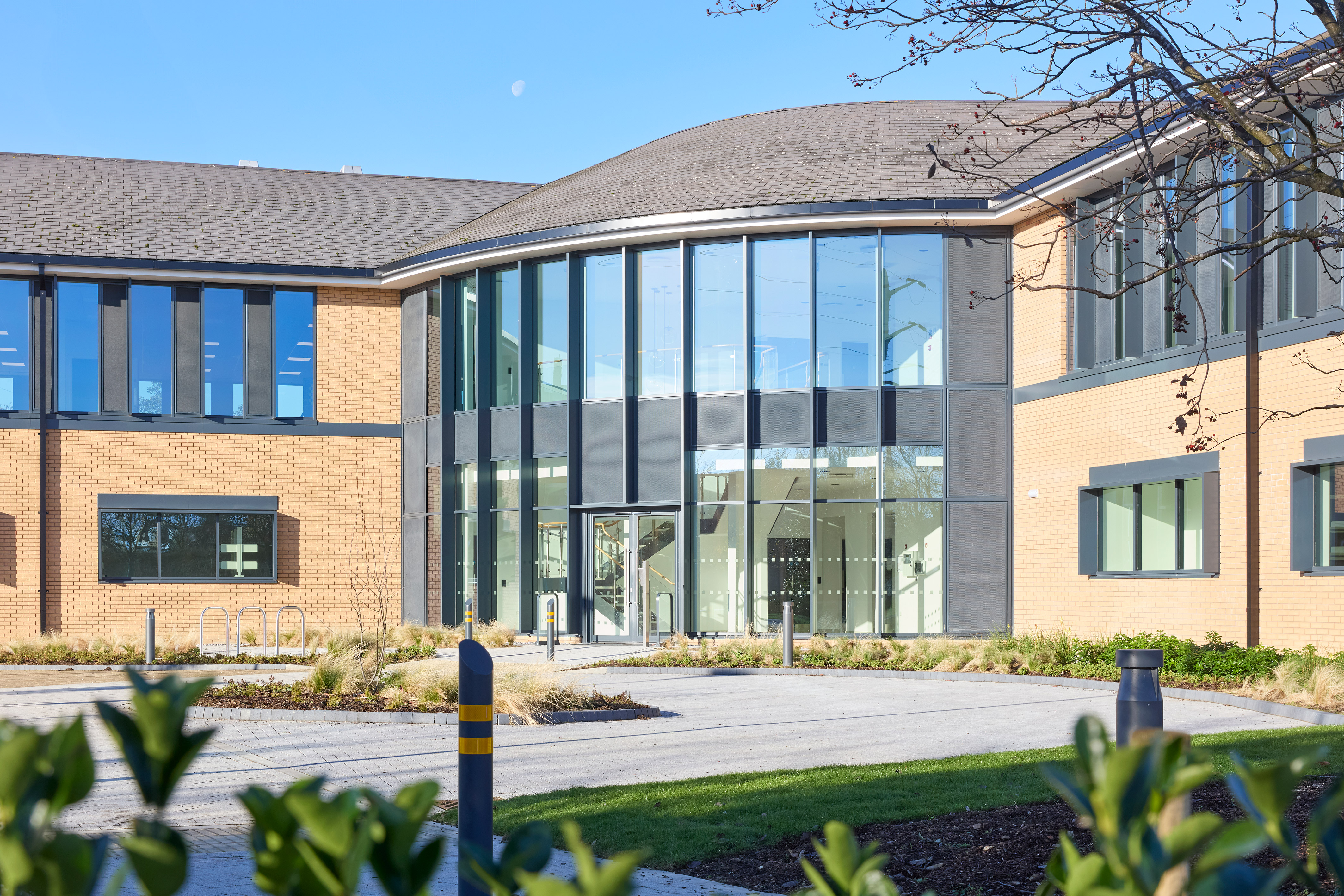
At Cambridge Science Park, the refurbishment of 316 Cambridge Science Park focused on delivering quality office space ready for occupation.
Projects like this typically involve improving building infrastructure, upgrading lighting and services, and preparing the office environment so that future tenants can design their own workspace through a Category B fit out.
As one of the owners of Cambridge Science Park, Trinity College regularly invests in building improvements that enhance the quality of commercial office space available to tenants.
Landlord projects such as these often involve upgrading core services and creating flexible office environments ready for incoming businesses.
These projects demonstrate the role of Category A fit outs in preparing office buildings for the commercial market.
Many of COEL’s workplace projects demonstrate how Category B fit outs transform a base building into a dynamic environment designed around the organisation’s needs.
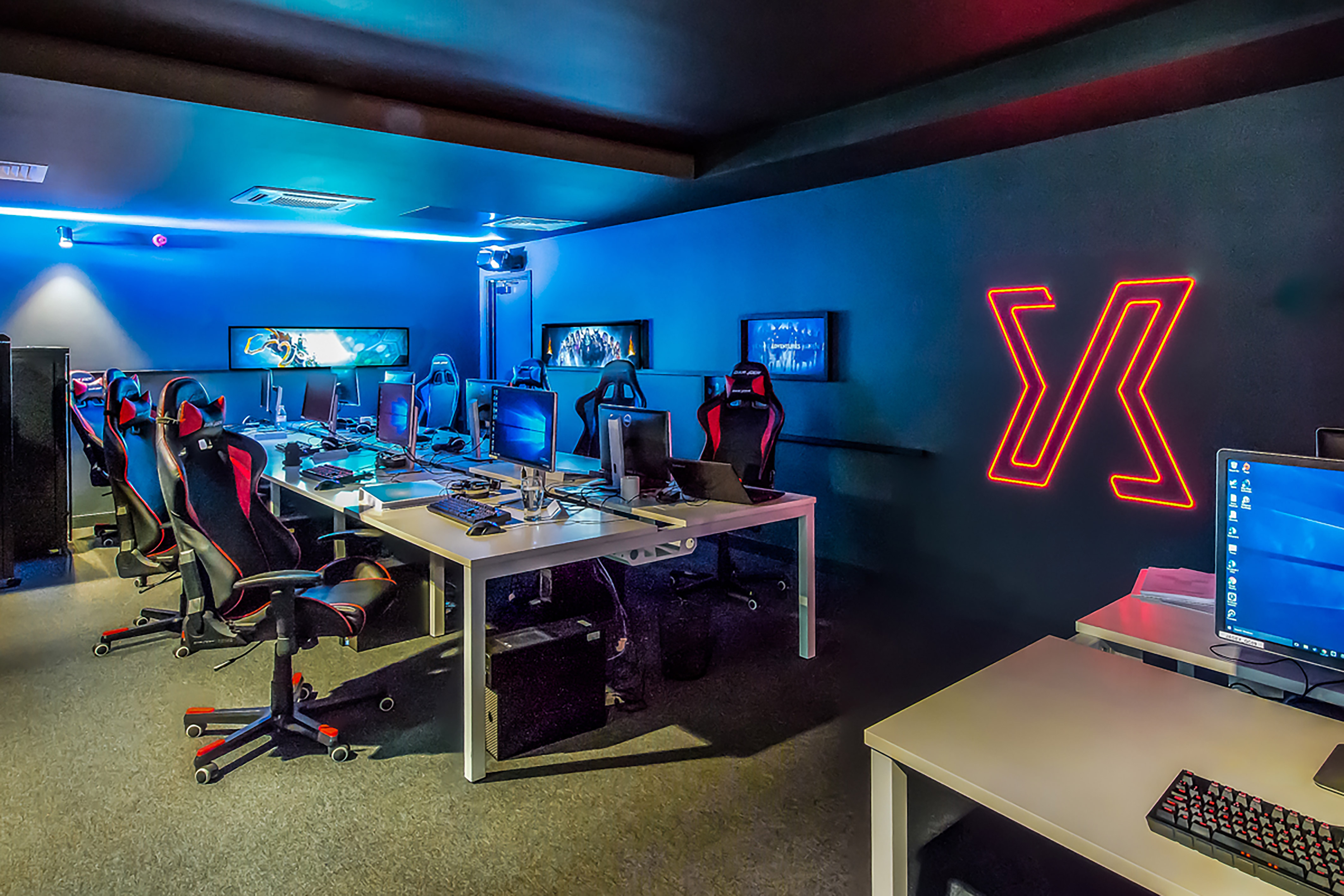
Game developer Jagex required a workspace that could bring together creative teams within an environment that encourages collaboration and connection.
The office design introduced collaborative zones, meeting spaces and tailored furniture solutions that support a dynamic working culture.
The finished workspace reflects the business’s creative energy while supporting day-to-day teamwork.
Law firm Birketts required a professional workplace that balanced collaboration with the need for privacy and confidentiality.
The Category B fit out introduced meeting rooms, client areas and carefully designed interior finishes that reflect the firm’s reputation and professionalism.
This type of workspace demonstrates how design can support both employee productivity and client experience.
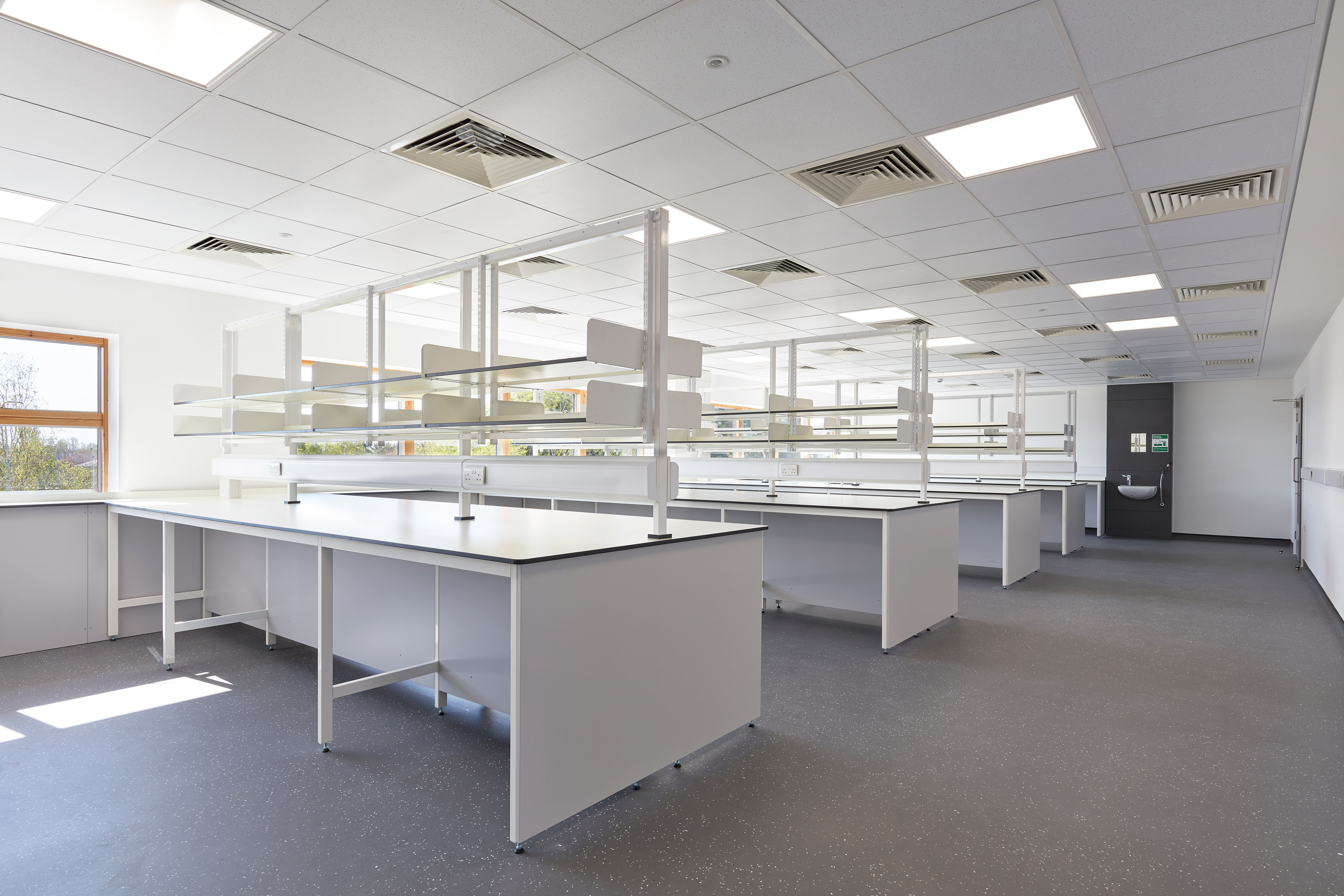
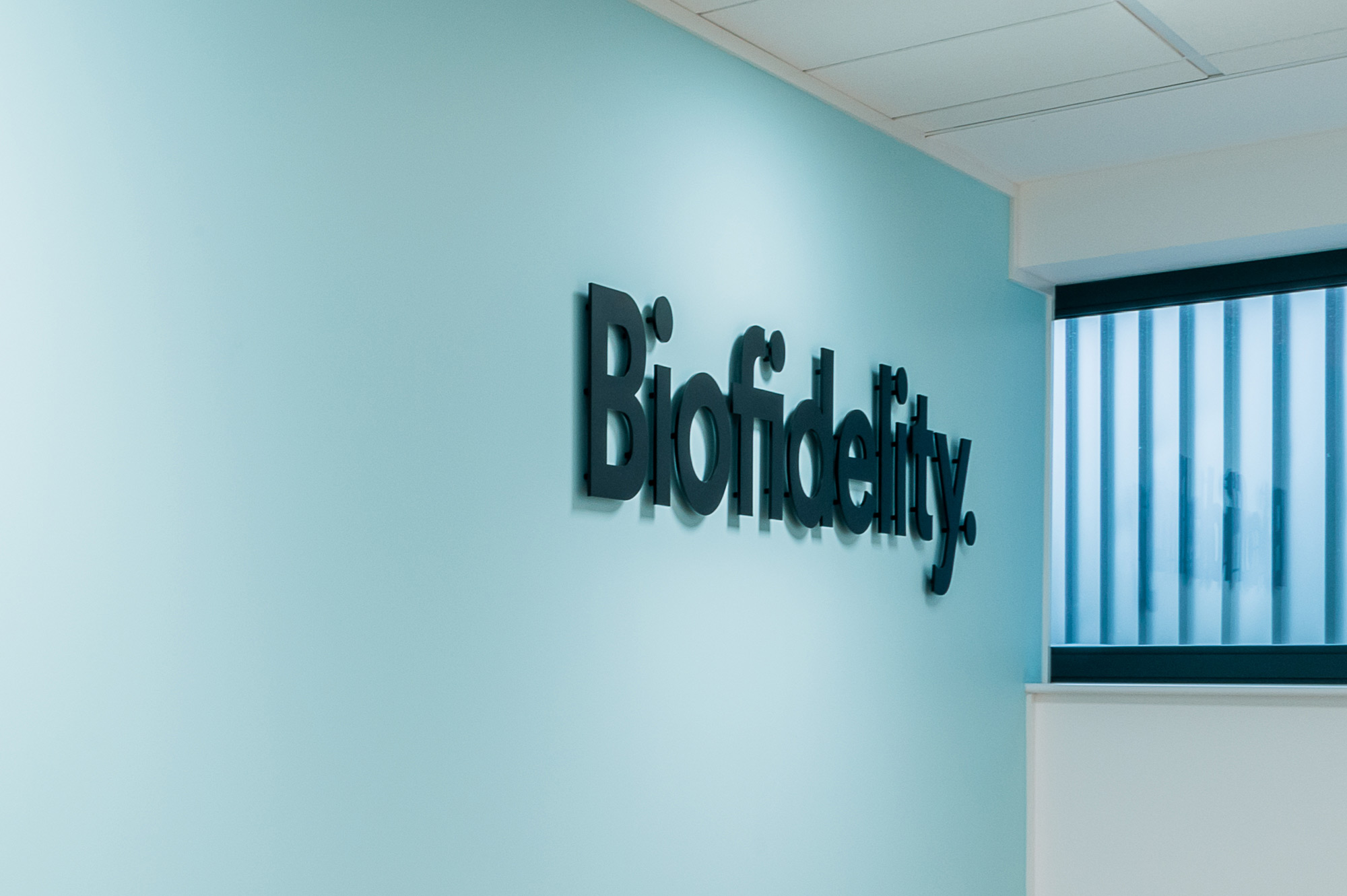
Life sciences company Biofidelity required a workplace that supported both office collaboration and highly specialised laboratory work.
The Category B transformation introduced office environments alongside laboratory facilities, enabling scientific and business teams to operate in a cohesive workspace.
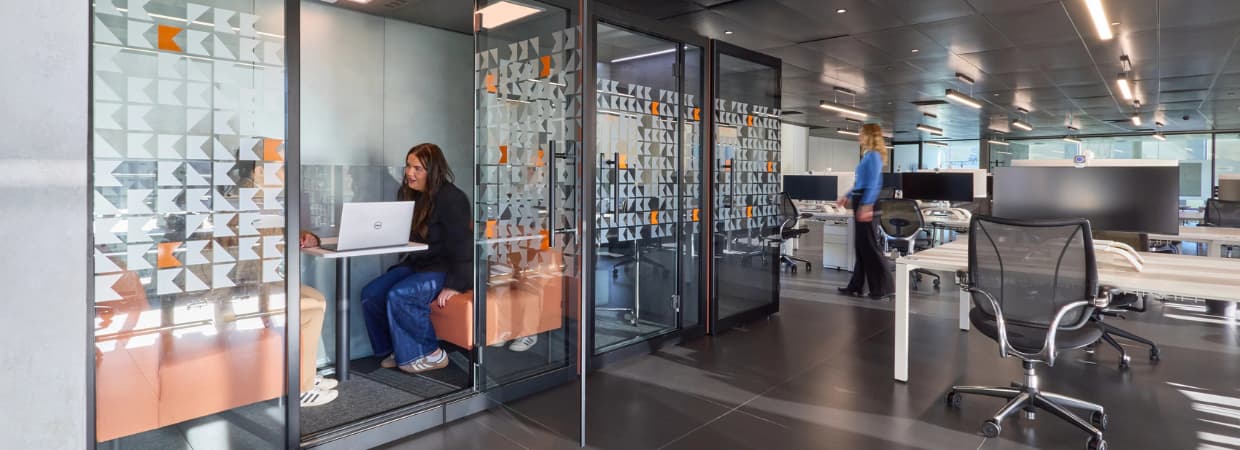
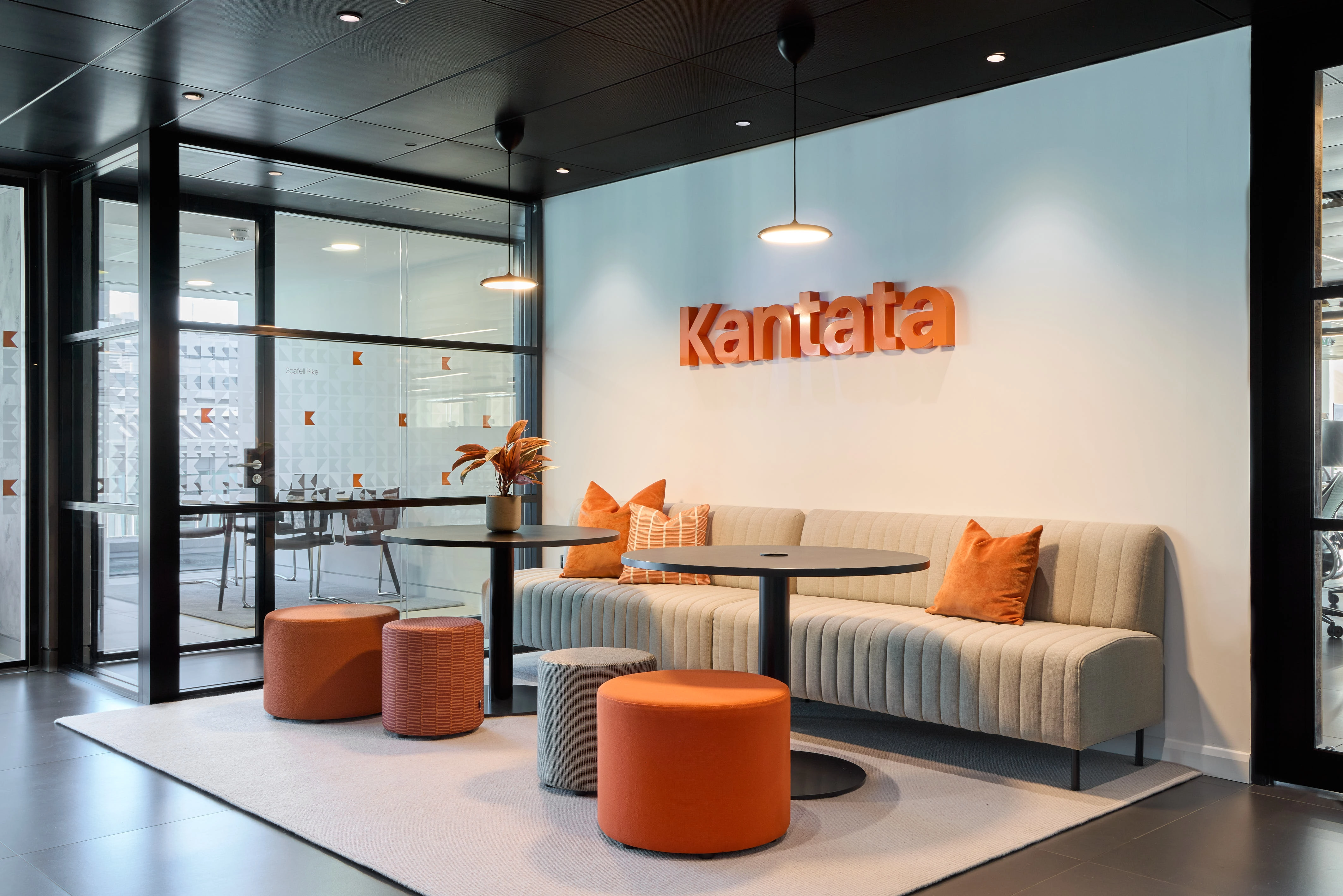
Kantata’s London office was designed to support a flexible working environment.
The workspace includes collaboration zones, informal meeting spaces and adaptable work settings that allow employees to move between different work modes throughout the day.
Projects like this demonstrate how Category B fit outs can support modern hybrid working practices.
In recent years, a third category has emerged: Cat A Plus.
This approach sits between Category A and Category B. Landlords deliver a partially fitted workspace that may include meeting rooms, basic furniture and breakout spaces.
Cat A Plus spaces allow tenants to move in more quickly while still leaving flexibility for branding and further design customisation.
These types of offices are often used in speculative developments where landlords want to attract tenants more quickly.
Moving from Category A to Category B is not simply a construction process. It involves careful planning and workplace strategy.
Understanding how employees work, collaborate and interact with clients allows designers to create spaces that improve productivity and well-being.
Factors such as hybrid working, team collaboration, technology integration and future growth all influence the final layout and design of the office.
Transforming a Category A shell into a Category B workplace requires expertise across multiple disciplines, including office interior design, construction, technology and furniture selection.
Working with a commercial design and build partner simplifies this process by bringing these services together into a single, coordinated team.
COEL’s approach combines workplace planning, interior design, construction delivery and furniture selection to create workplaces that support productivity, collaboration and employee wellbeing.
Understanding the difference between Category A and Category B fit outs helps organisations plan their workspace transformations more effectively.
Category A provides the structural foundation of the office, while Category B introduces the layout, design identity and furniture that make the space usable.
With the right planning and project team, a Category B fit out can transform an empty shell into a workspace that supports innovation, collaboration and business growth.
Prefer an AI Summary?